Cars With the Best Resale Value: Top Models For Smart Buyers in Indiana
As soon as your car leaves the dealership’s lot, it loses about 15% of its price. It’s an unpleasant, inevitable fact. But when buying used, this loss is not so great, and it can even be reduced through proper investigation and choosing the right car.
Today, representatives from the Indy Auto Man dealership collected the list of vehicles that hold their value best. If your favorite auto is among these models, you can count on a valuable investment, and you can even gain some extra cash after selling the auto in several years.
Top cars with the best resale value
According to the Indy Auto Man’s internal statistics and the KBB data, the models represented below maintain strong resale value even after several years of use. In Indiana, these vehicles are especially popular due to their reliability, affordability, and suitability for local driving conditions.
Among the top performers are:
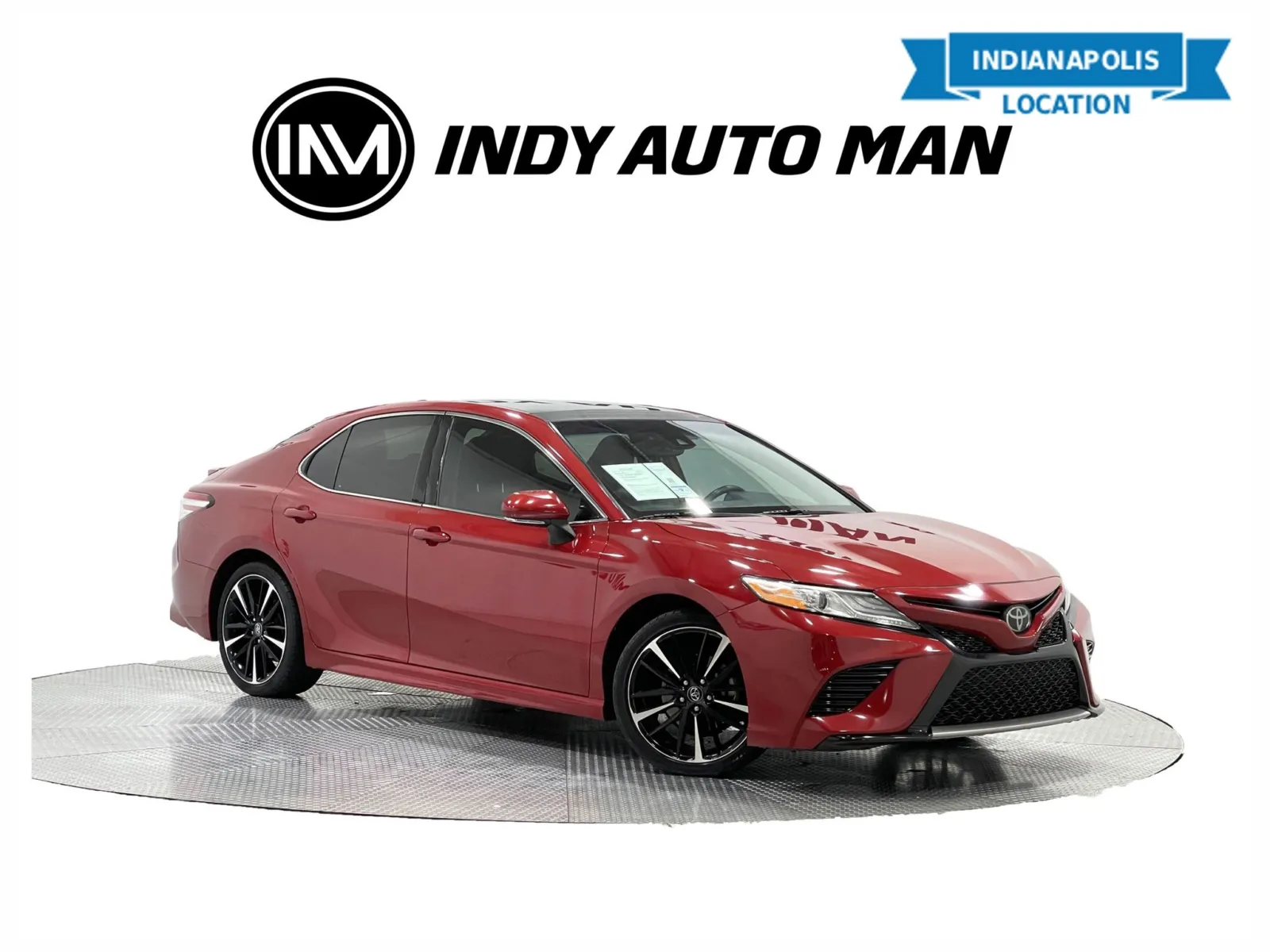
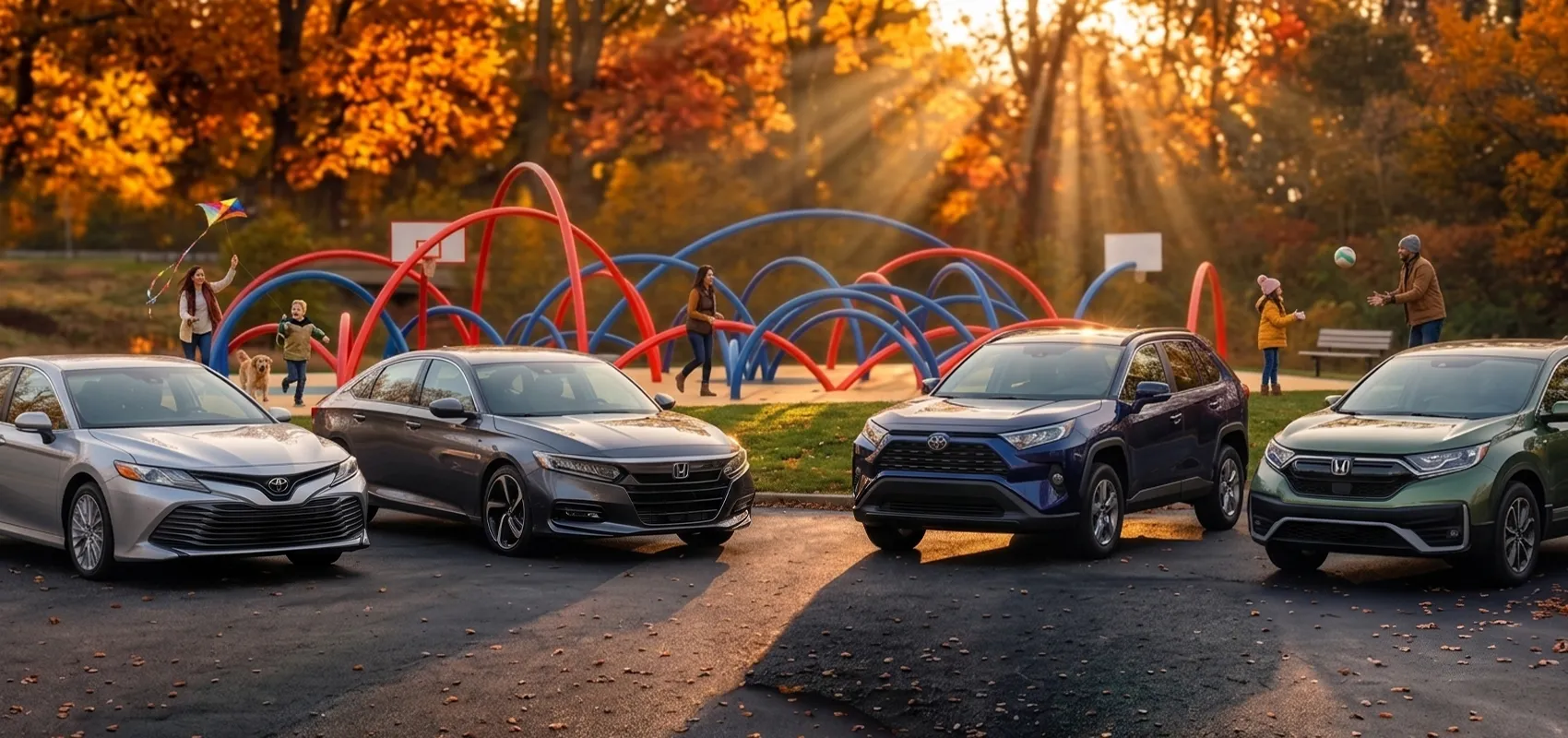
- Toyota Camry - Known for long-term reliability, excellent fuel economy, and low maintenance costs, the Camry remains one of the safest bets for resale value.
- Honda Accord - A consistent leader in the midsize sedan segment, offering strong build quality, efficient engines, and high buyer demand.
- Toyota RAV4 - The most popular compact SUV in the U.S., valued for practicality, all-weather capability, and strong resale performance.
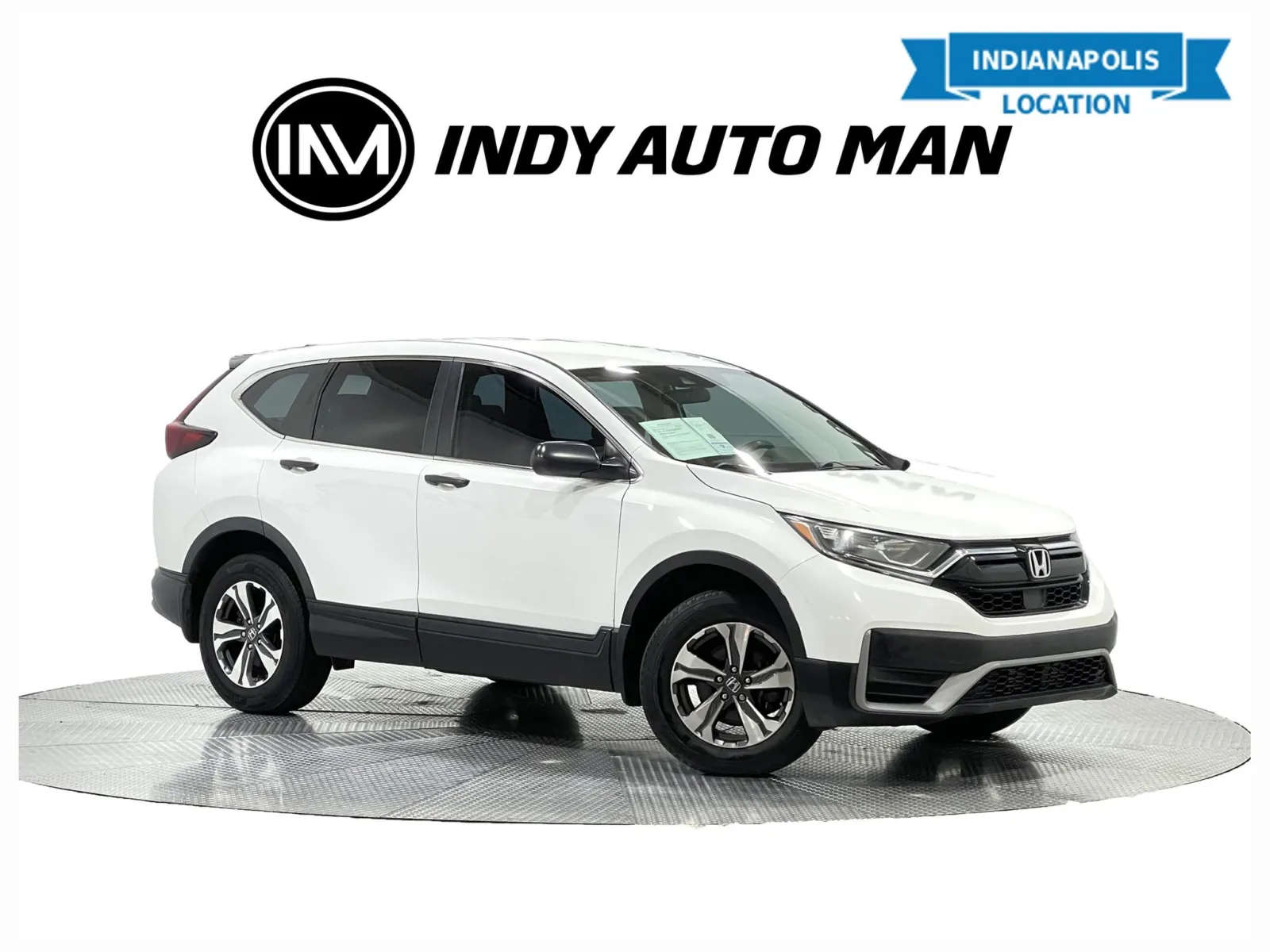
- Honda CR-V - Spacious, reliable, and fuel-efficient SUV - a top choice for families across Indiana.
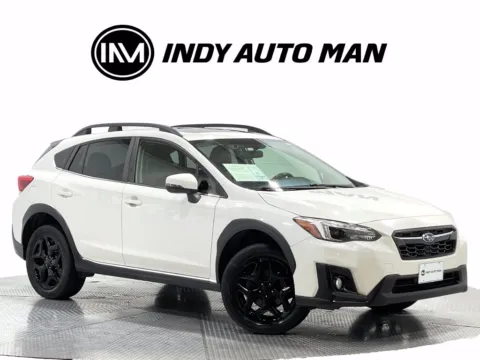
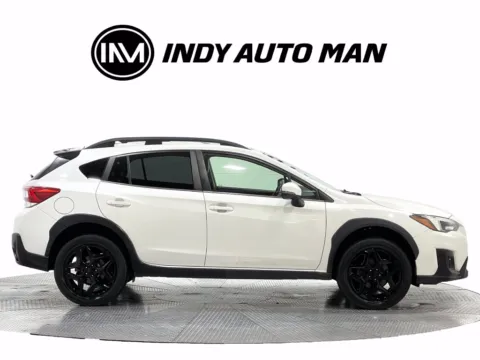
- Subaru Outback and Forester - Especially popular in regions with varying weather conditions, thanks to standard all-wheel drive and durability.
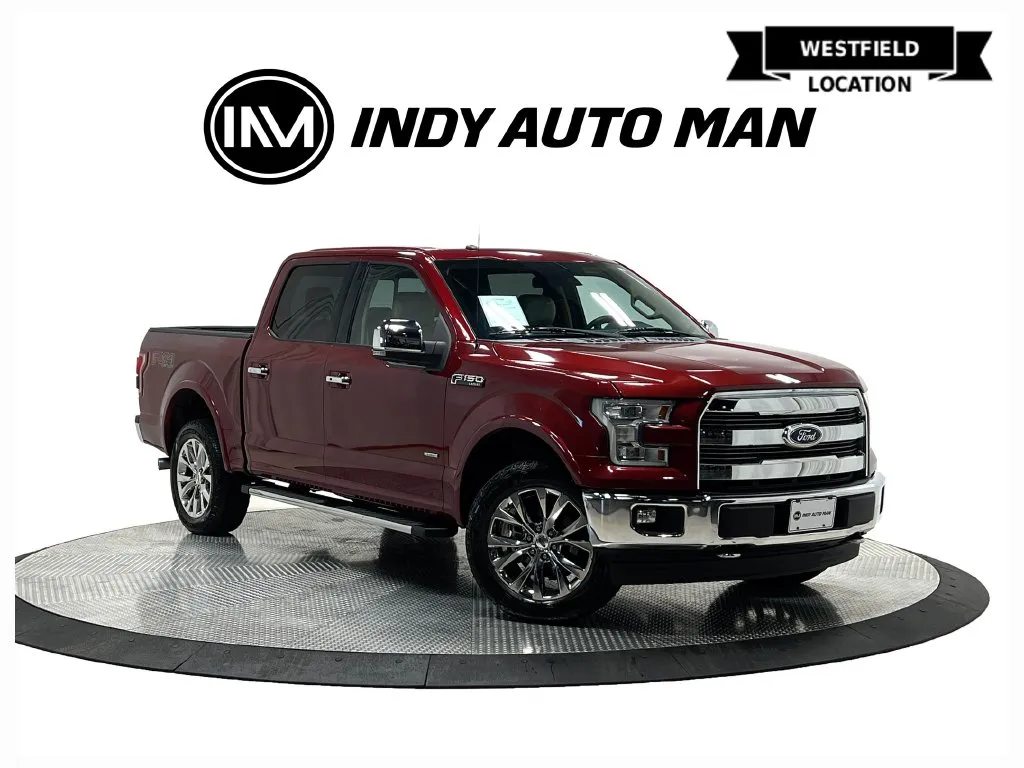
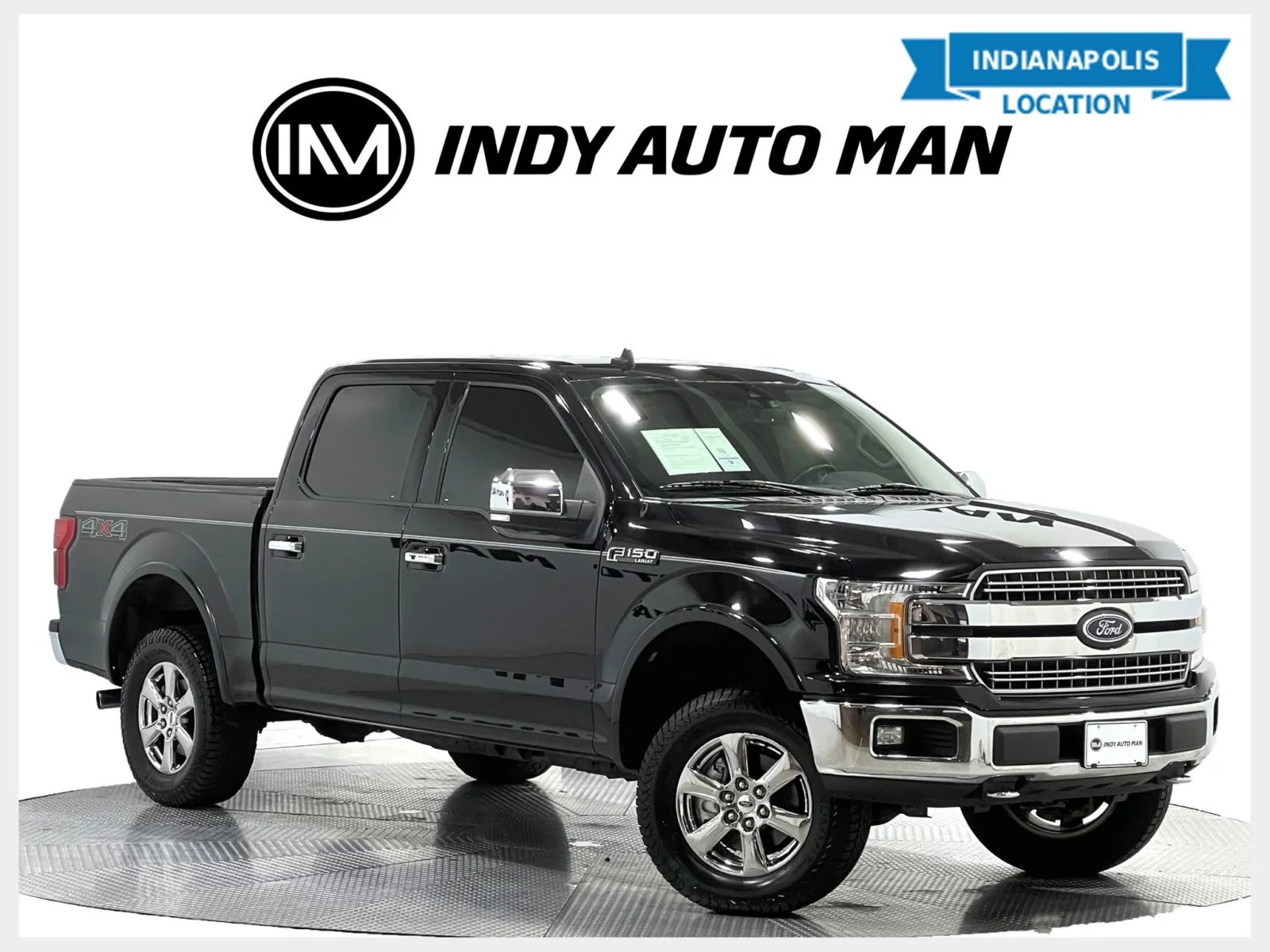
- Ford F-150 - A staple in Indiana’s truck market, with strong resale value driven by versatility, towing capability, and brand loyalty.
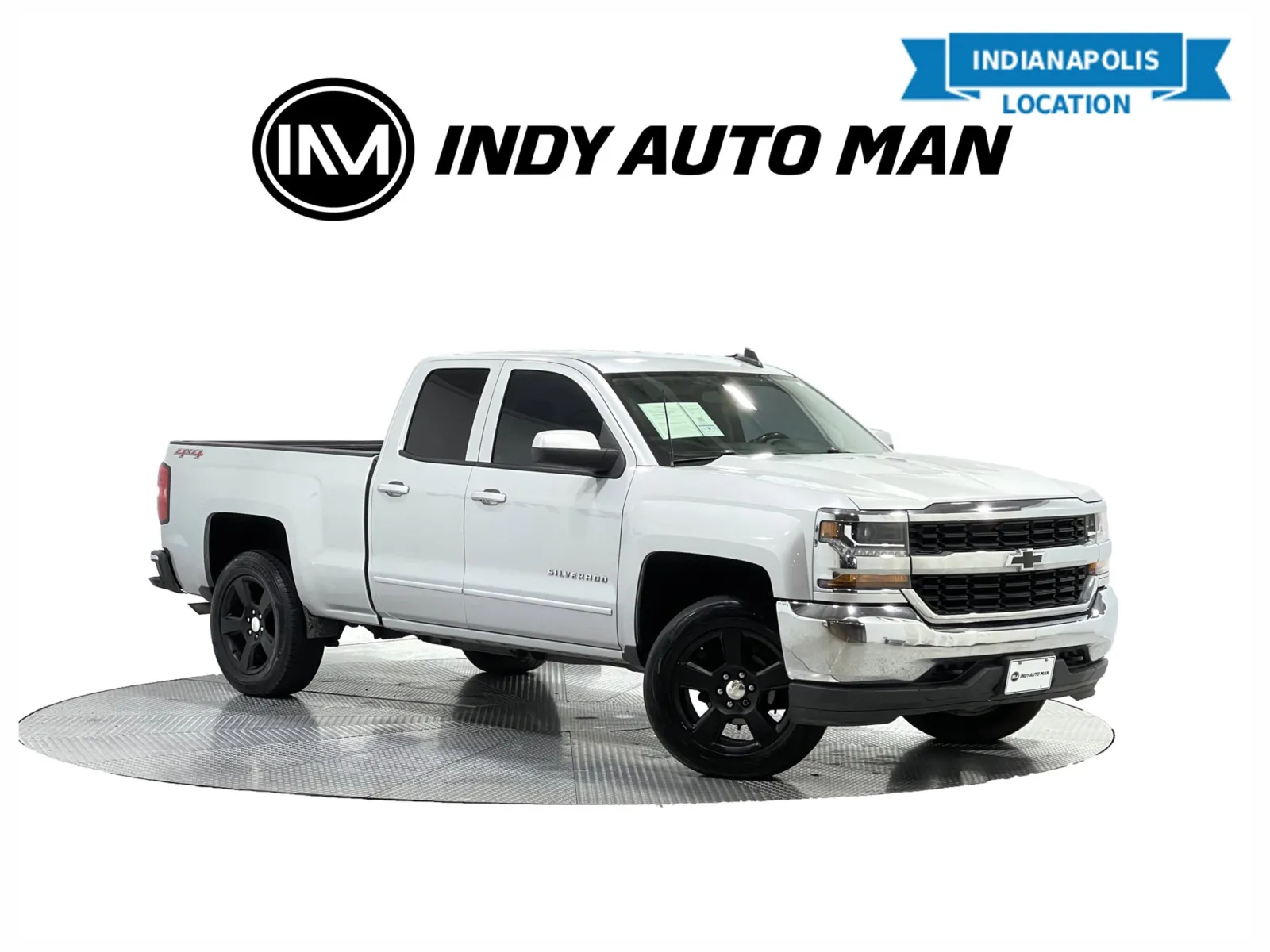
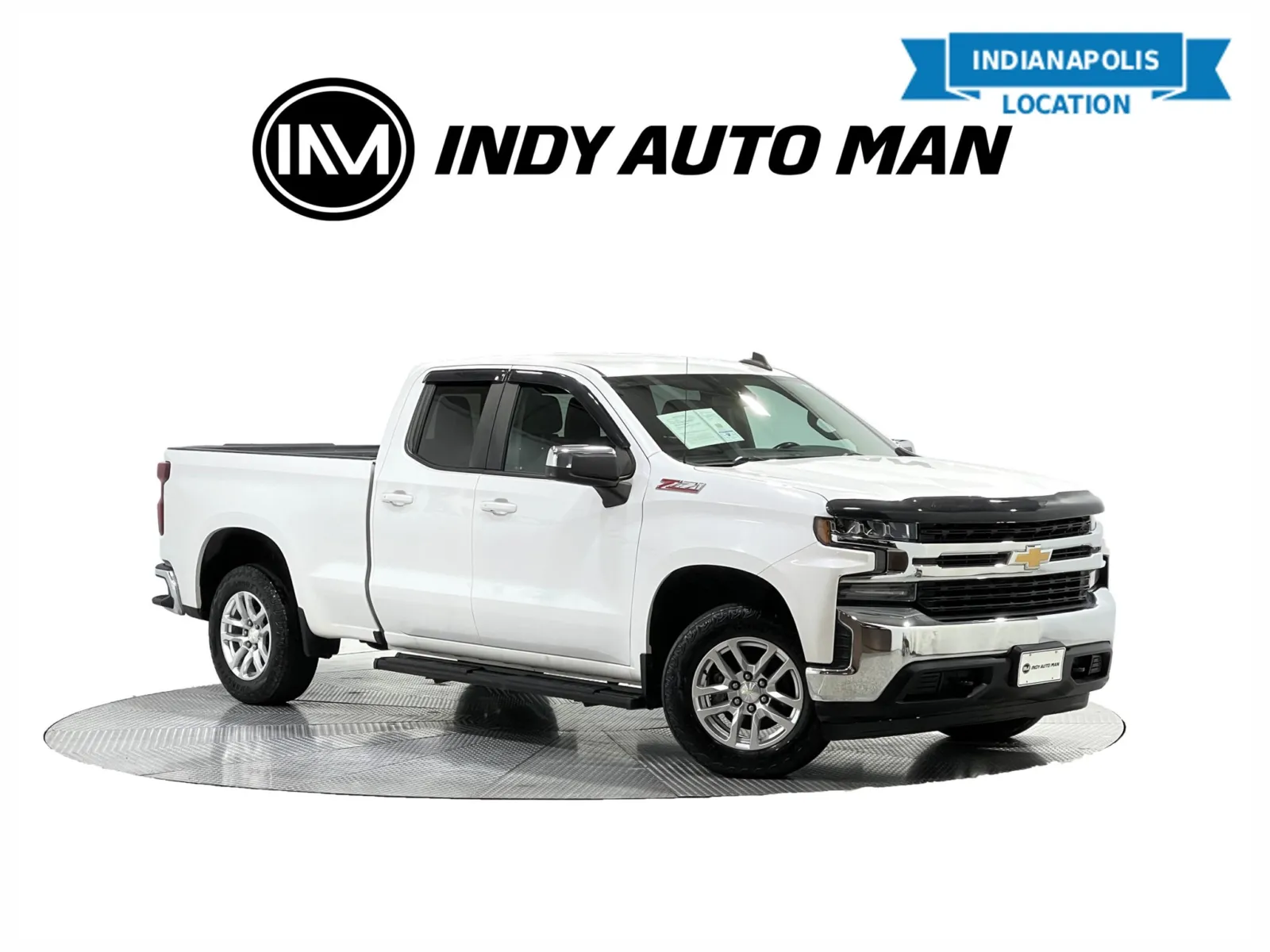
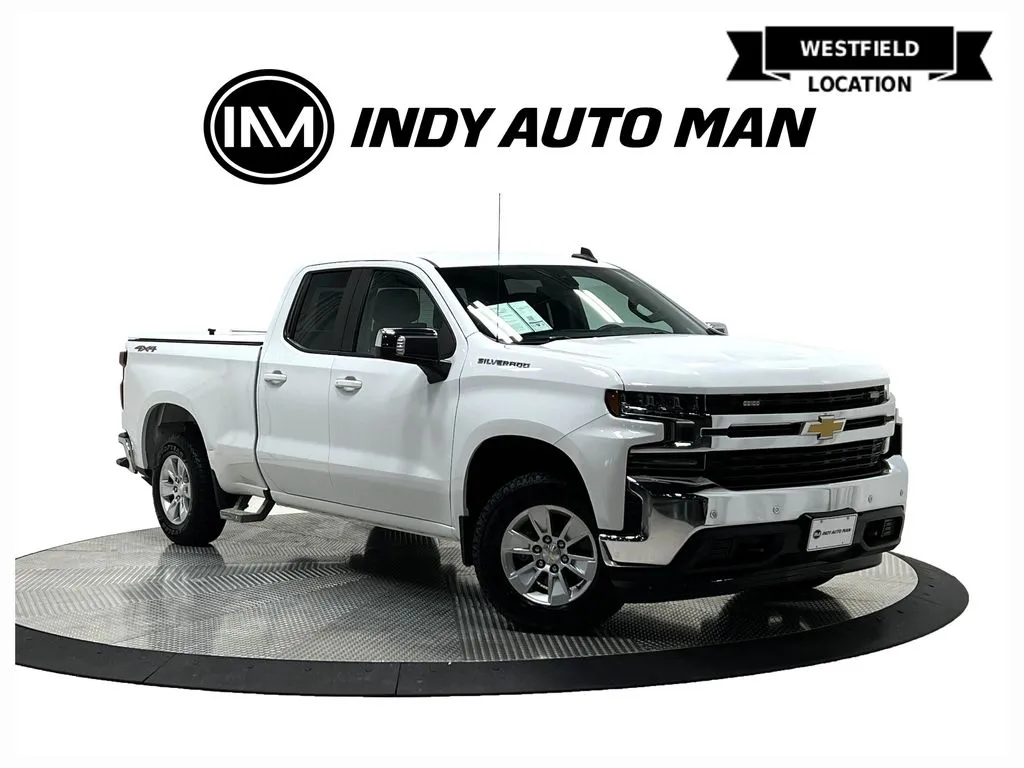
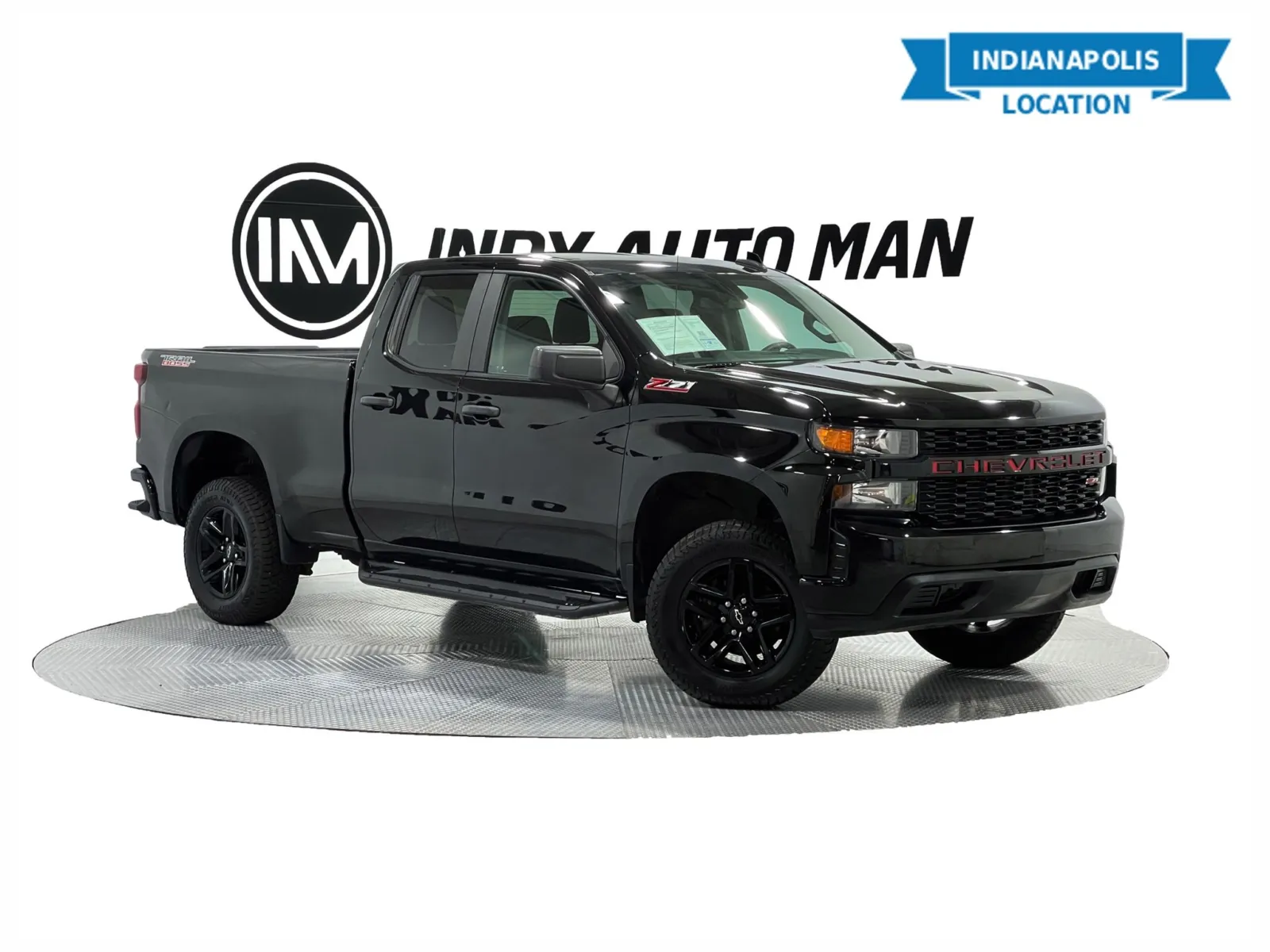
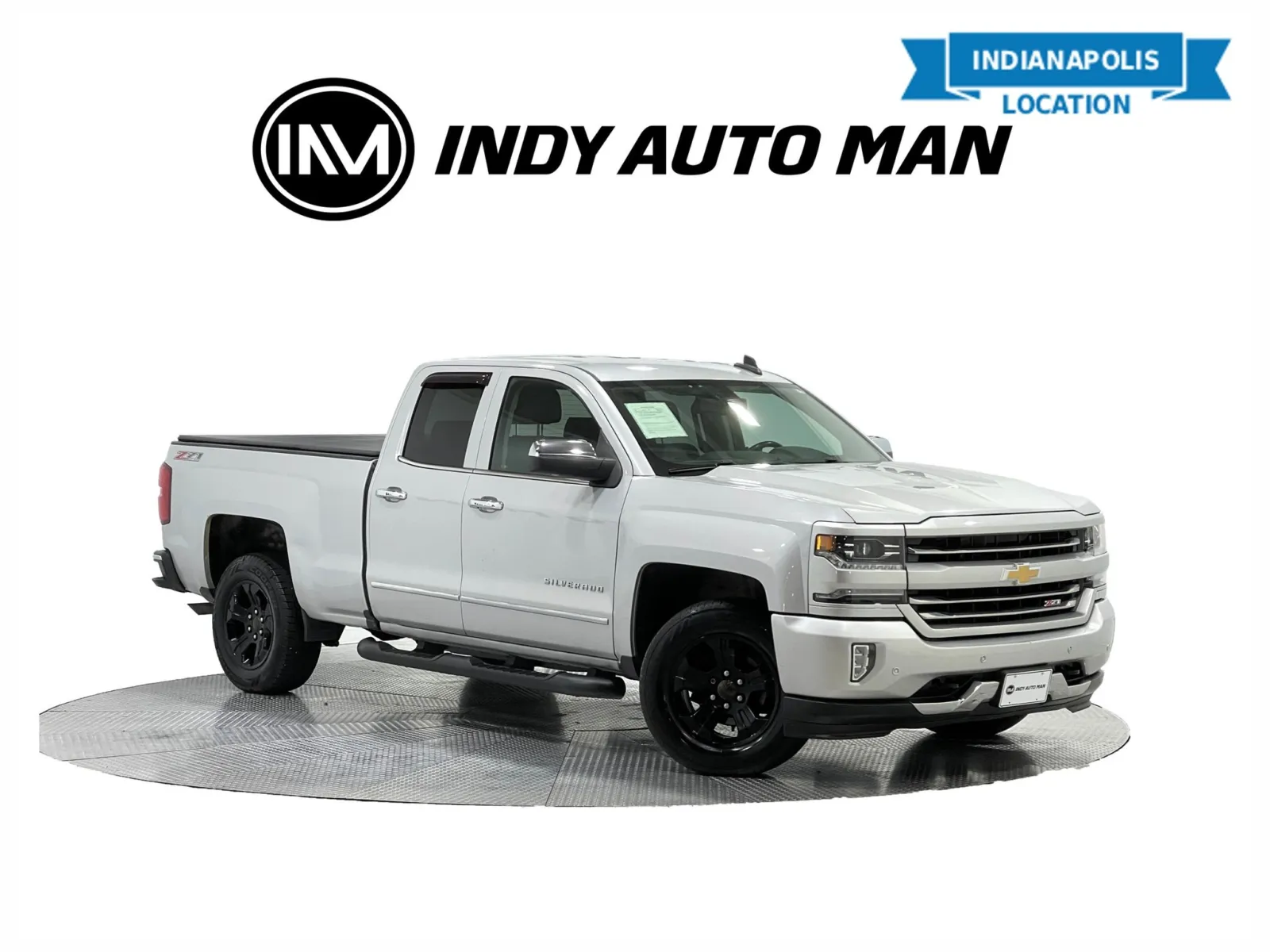
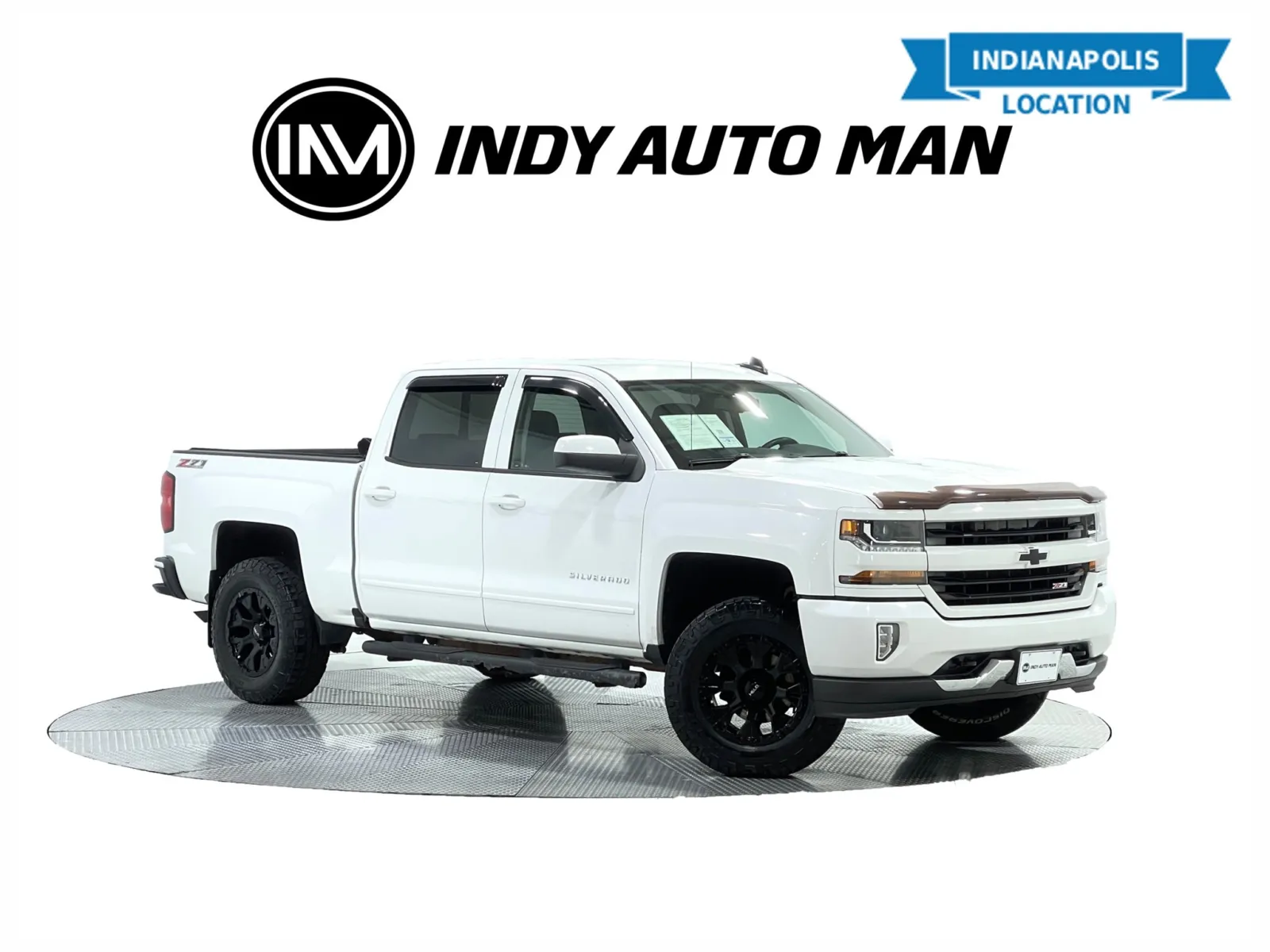
- Chevrolet Silverado 1500 - Another top-performing pickup, widely used across the Midwest for both personal and work purposes.
- Toyota Tacoma - One of the highest-resale vehicles in the U.S., particularly valued for off-road capability and long-term durability.
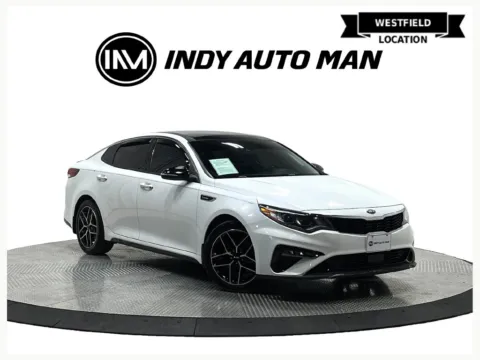
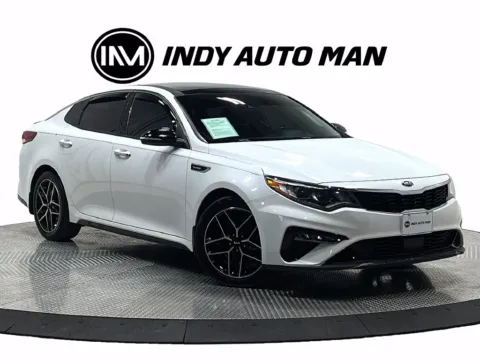
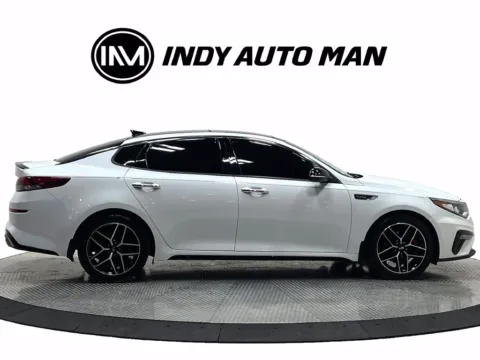
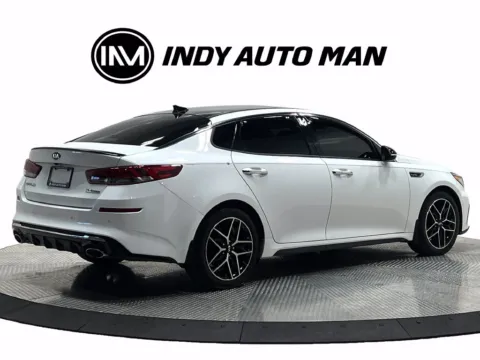
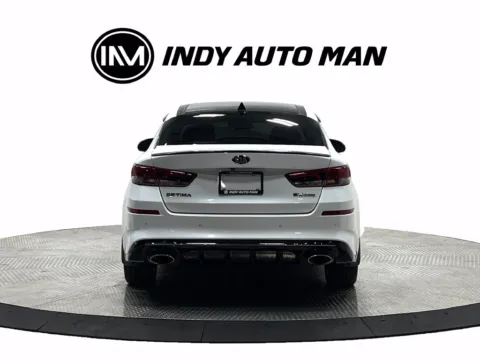
- Hyundai Sonata and Kia K5 (formerly Optima) - Offer modern styling, strong warranties, and competitive pricing, contributing to steady resale demand.
- Honda Civic and Toyota Corolla – Compact cars that consistently sell quickly due to affordability, efficiency, and reliability.
These models often retain up to 60–70% of their initial price after five years, depending on condition, mileage, and market trends.
Read also our overview of cars that hold their value.
Factors affecting resale value
The most important driver of the car’s resale value is brand reputation. Before choosing your next vehicle, take a close look at the brands’ recall statistics, the average number of breakdowns for particular models you like, and customer complaints on forums. These facts help to evaluate the reliability of your future vehicle and confirm that the ownership costs will be low. As a benefit, you can keep in mind that vehicles, known for durability and consistency, tend to retain their value better and sell faster on the secondary auto market.
Build quality and powertrain reliability also directly influence depreciation. Models equipped with proven engines and transmissions, especially naturally aspirated gasoline engines, often outperform more complex or less-tested alternatives in long-term value retention.
Maintenance costs and parts availability are equally important. In Indiana, where drivers often rely on independent repair shops as well as dealership service centers, vehicles with widely available parts and straightforward maintenance requirements are more attractive on the secondary market.
Body style plays a significant role as well:
- Compact SUVs and midsize sedans dominate demand due to their balance of comfort, fuel efficiency, and year-round usability.
- Pickup trucks are also highly desirable in Indiana, particularly for buyers who need utility for work or outdoor activities, though resale performance can vary depending on fuel economy and condition.
Finally, vehicle history and condition are critical. Clean-title vehicles with no accident history, verified mileage, and consistent maintenance records sell significantly faster and at higher prices. Tools like CARFAX and AutoCheck are standard for verifying these details.
What is the $3000 rule for cars?
The $3,000 rule is a simple guideline for car buyers: if you cannot comfortably put down at least $3,000 upfront, you may not be prepared for the ongoing costs of owning a vehicle. In practice, it is often used as a baseline for purchasing a dependable used car with cash.
What are the core characteristics of high-resale vehicles?
Cars with the best resale value tend to share several defining characteristics. Most are equipped with reliable gasoline engines in the 2.0L to 3.5L range, offering a balance between performance and fuel efficiency. Simpler powertrains often translate into lower repair costs and broader appeal among used car buyers.
Safety technology is another major factor. Such features as blind-spot monitoring, automatic emergency braking, and adaptive cruise control are increasingly expected, even in used vehicles. Models that include these features as standard tend to command higher resale prices.
Vehicles with automatic transmissions, modern infotainment systems, and climate control features are significantly easier to resell. In Indiana, where seasonal temperature swings are common, heated seats and remote-start systems can also enhance desirability.
Depreciation patterns for these vehicles are relatively stable. Most lose about 15–20% of their value in the first year, followed by a more gradual annual depreciation of 7–10%.
Does condition impact resale value?
Even the best-performing models can lose value quickly if their condition is poor. Mileage and maintenance history are two of the most important factors influencing resale speed and pricing.
Vehicles under five years old with fewer than 60,000 miles typically sell much faster than comparable models with over 100,000 miles. The price difference can reach 25–30%, depending on the segment and condition.
A documented service history significantly increases buyer confidence. Vehicles with consistent maintenance records can sell for 10–15% above average market prices.
Accident history has a major negative impact. Cars with structural damage, airbag deployment, or salvage titles are much harder to sell and often require steep discounts. Similarly, unresolved mechanical issues, such as transmission problems or engine warning lights, can deter buyers entirely.
Cosmetic condition also matters. Exterior damage, rust, and worn interiors can reduce resale value by up to 30–35%. Clean, well-maintained vehicles consistently outperform neglected ones in both price and time on market.
Tips for choosing a car with high resale value
If you are focused on long-term value, several strategies can help maximize resale potential:
- Choose reliable brands with proven track records, such as Toyota, Honda, Subaru, Hyundai, and Kia.
- Opt for popular body styles like compact SUVs, midsize sedans, or full-size trucks.
- Avoid overly customized trims or uncommon color combinations; neutral colors like white, black, gray, and silver sell faster.
- Prioritize vehicles with standard safety features and modern technology.
- Check vehicle history reports through CARFAX or AutoCheck to verify mileage, ownership, and accident records.
- Consider vehicles that are 3–5 years old, as they offer the best balance between depreciation and remaining lifespan.
- Pay attention to regional factors, such as rust risk from winter driving conditions.
If you are looking to make a smarter investment, consider choosing a vehicle that has already passed its steepest depreciation phase. Explore Indy Auto Man’s extensive inventory of quality used cars in Indianapolis and Westfield, where you can find dependable models priced for long-term value and shop with confidence today.