When It Makes Sense to Keep or Get Cash for Your Car in Indiana
Table of Contents
- Why most drivers own cars longer today in Indiana
- The cost you don’t see: depreciation
- When repairs start working against you
- The $3,000 rule explained
- Mileage matters more than you think
- Don’t ignore negative equity when thinking of cash for your car
- Too early or too late? How to time your car sale for maximum cash value
- Why selling at the right time pays off
- Know when to walk away: Turn your high-mileage car into cash

If you’ve been driving the same vehicle for years, you’ve probably been thinking: Should I keep fixing and repairing my auto, or is it finally time to move on? The truth is, there is a simple way to approach this decision.
It comes down to three factors: how much you are spending on repairs, how many miles are on your car, and how close you are to the point where costs start rising fast. Think of it as the “$3,000 rule” - a practical benchmark that helps you decide whether to keep driving or sell your vehicle for cash.
Why most drivers own cars longer today in Indiana
Cars are lasting longer nowadays. Across Indiana and even the whole U.S., the average vehicle on the road is now well over a decade old. That’s good news for owners who want to maximize value. But it also means many drivers hold onto their cars right up until expensive repairs start piling up.
At the same time, trade-ins are happening later in a car’s life cycle. That shift tells us something important: people are trying to squeeze more value out of their vehicles, but not always at the right moment.
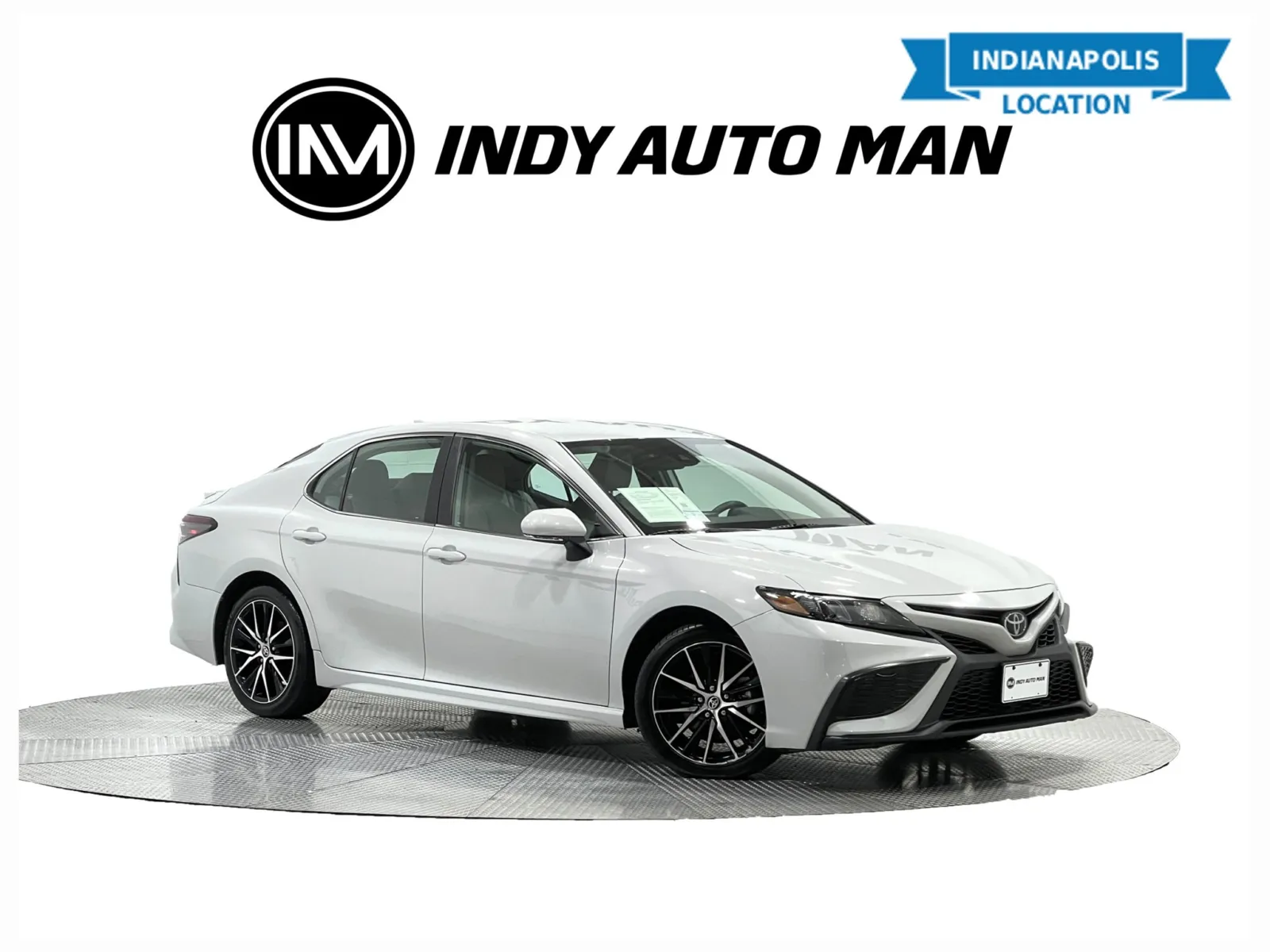
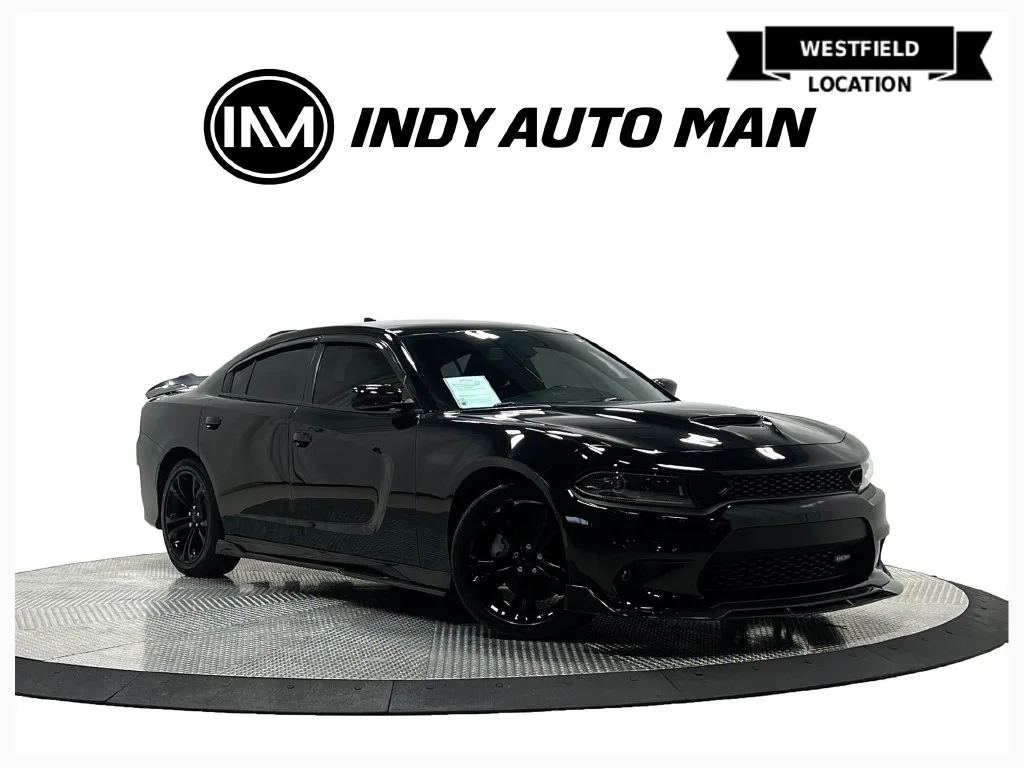
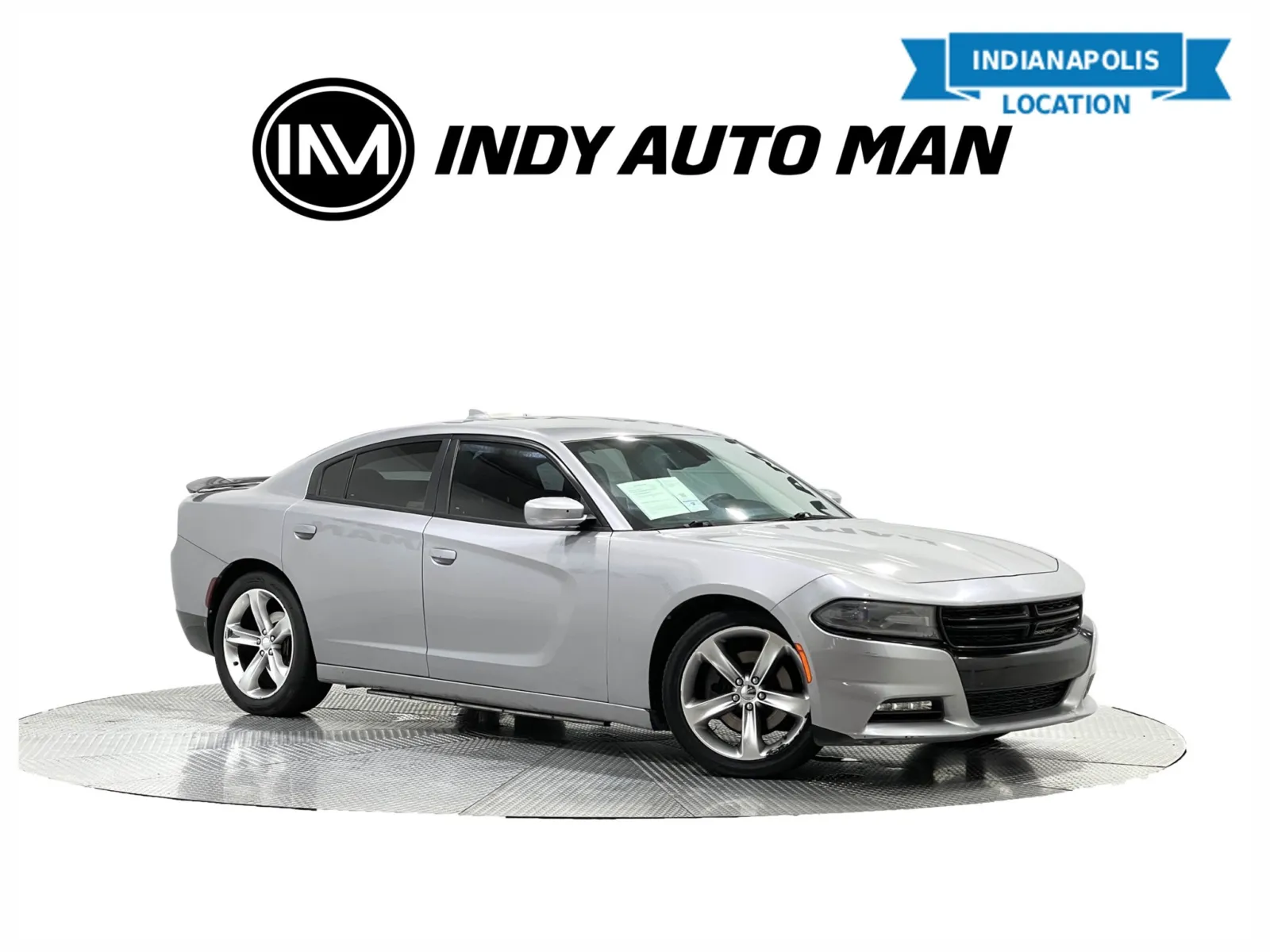
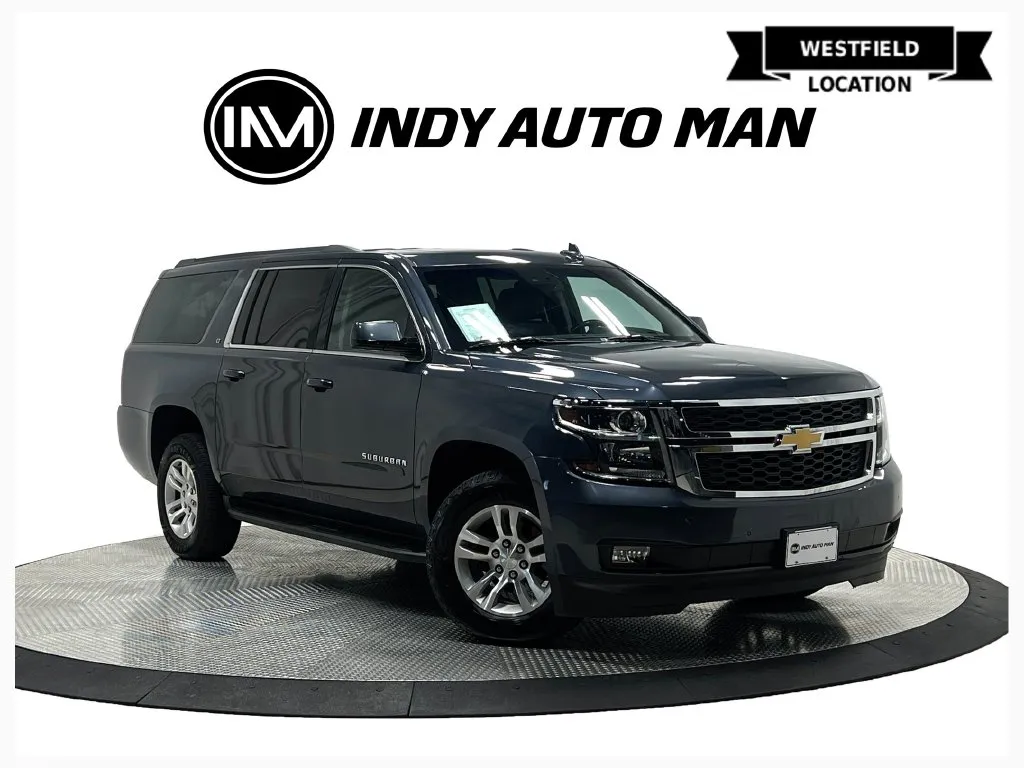
Waiting too long can mean missing the window when your car still has a solid trade-in value. That’s where options like getting cash for your car at Indy Auto Man dealer centers come into play.
The cost you don’t see: depreciation
Most people focus on repair bills, but there’s another cost that matters just as much - depreciation.
When you buy a new vehicle, its value drops quickly, especially in the first year. That loss can easily reach thousands of dollars, even if the car is in perfect condition. It’s not something you pay out of pocket directly, but it affects your overall financial picture.
That’s why replacing a car too early can be a mistake. If your current vehicle is still reliable and your repair costs are manageable, holding onto it often saves money compared to jumping into another round of depreciation.
When repairs start working against you
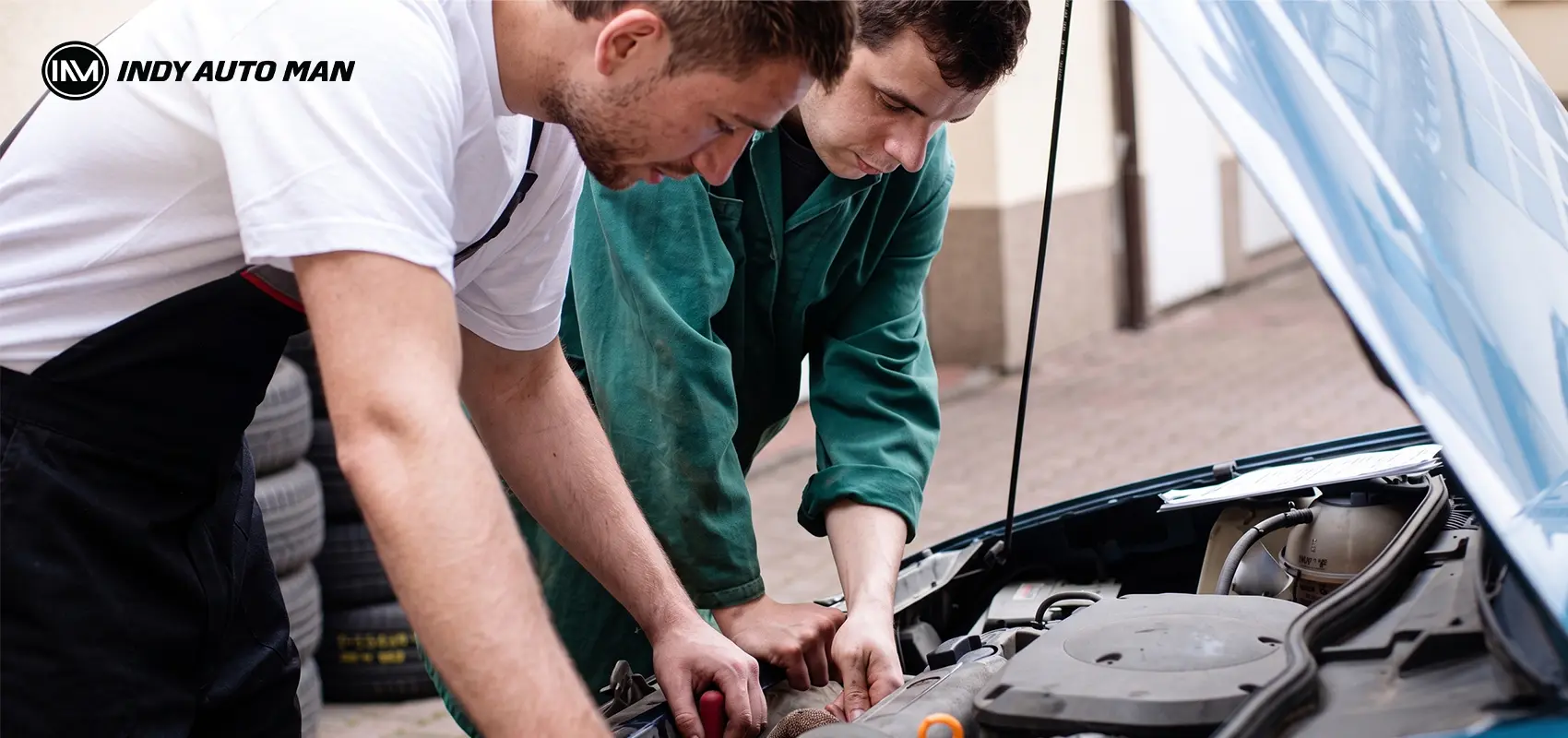
Repair costs don’t rise evenly over time. For the first several years, expenses tend to stay easy countable - oil changes, brakes, tires. But once a vehicle passes the 7–8 year mark, things begin to change.
Major components start wearing out:
- Transmission issues
- Suspension repairs
- Electrical system failures
- Engine-related problems
- Painting defects
These aren’t small fixes. And when they begin stacking up, your annual repair costs can climb quickly.
If you are noticing that your mechanic visits are becoming more frequent - and more expensive - that’s a sign you are entering the phase where keeping the car may no longer make financial sense.
The $3,000 rule explained
Here’s the simple guideline we recommend:
- If your annual repair costs stay under $3,000, keeping your car is usually the smarter move.
- If repairs exceed $3,000 per year and your car has over 150,000 miles, it’s time to seriously consider selling or trading it.
Why this threshold? Because once you cross it, you are likely paying more to maintain your current vehicle than you would lose in depreciation by switching to a newer one.
At that point, continuing to repair the car becomes a short-term fix rather than a long-term solution.
Mileage matters more than you think
Mileage plays a key role in this decision. Once a car passes 150,000 miles, the likelihood of major repairs increases significantly.
Even if your car is still running well today, higher mileage reduces its resale value and makes future costs less predictable.
This is often the sweet spot for getting cash for your car, before a major failure hits, but after you have already gotten strong value from ownership.
Don’t ignore negative equity when thinking of cash for your car
If you still owe money on your current vehicle, there’s another factor to consider: negative equity.
This happens when your loan balance is higher than the car’s value. Rolling that debt into your next vehicle can make your financial situation worse, not better.
If you’re underwater, your best move may be to keep the car a little longer - unless repair costs are spiraling out of control. In that case, selling your car for cash and resetting your position can be the smarter option.
Too early or too late? How to time your car sale for maximum cash value
If you’re on the fence, take a practical approach:
- Start by looking at your repair history over the past year.
- Then ask your mechanic what major issues might come up in the next two to three years.
- Next, compare that total to what it would cost to replace your vehicle. Don’t just look at monthly payments - factor in depreciation and overall ownership costs.
If your current car is still cheaper to maintain, keep driving it. But if the numbers are close or trending upward, it may be time to act.
Why selling at the right time pays off
Timing matters. Selling your car before major repairs hit can significantly increase what you get for it.
At Indy Auto Man, we make it easy to get cash for your car in Indiana, whether you are upgrading to another vehicle or simply want to sell outright.
You avoid the stress of costly repairs, skip the hassle of private sales, and walk away with a fair, competitive offer.
Know when to walk away: Turn your high-mileage car into cash
Most drivers replace their cars too soon - or too late. The key is finding the balance.
If your vehicle is reliable and costs less than $3,000 a year to maintain, keep it and enjoy the savings. But if repair bills are climbing, mileage is high, and big fixes are on the horizon, don’t wait until your car loses its value entirely.
That’s the moment to turn your vehicle into cash and move forward with confidence.
At Indy Auto Man pre-owned auto dealership in Indianapolis and Westfield, we are here to help you make that decision based on real numbers. And when the time comes, we are ready to put cash in your pocket for your car.