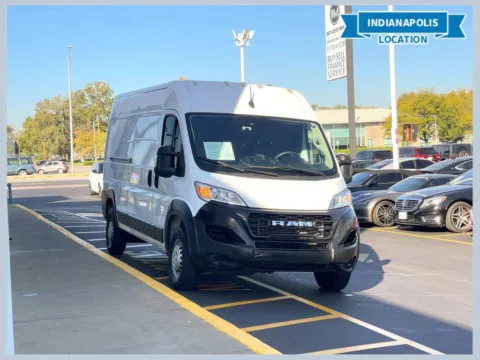
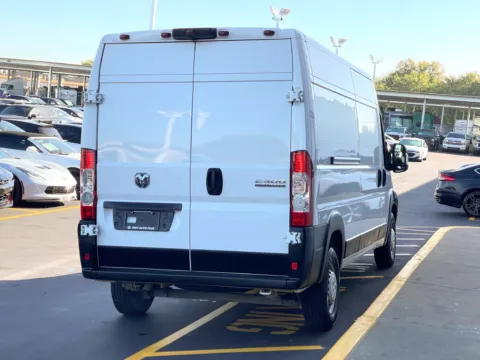
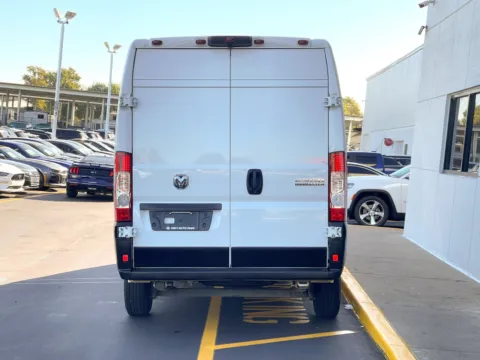
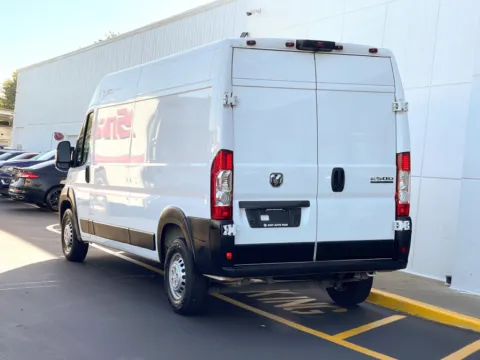
RAM ProMaster Vs. Ford Transit: Which Used Full-Size Van Is Right for Your Business?
Table of Contents
- Quick overview: RAM ProMaster vs. Ford Transit
- Why the RAM ProMaster stands out for Indiana business
- Front-wheel drive and maneuverability
- Why the Ford Transit may be the better fit
- Higher payload and towing capability
- RAM ProMaster vs. Ford Transit: Price, value, and ownership costs
- Which used van should I choose: Transit or ProMaster?
- Which model years have the strongest reliability records?
- Which delivers better real-world fuel economy under comparable loads and driving conditions?
- Find your next used work van at Indy Auto Man

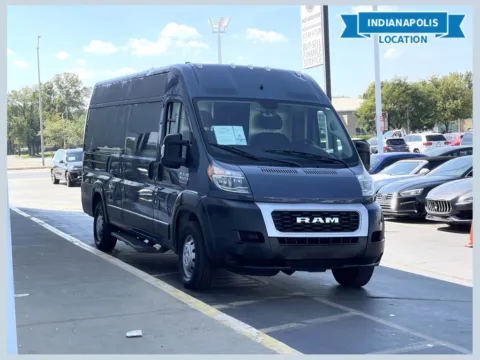
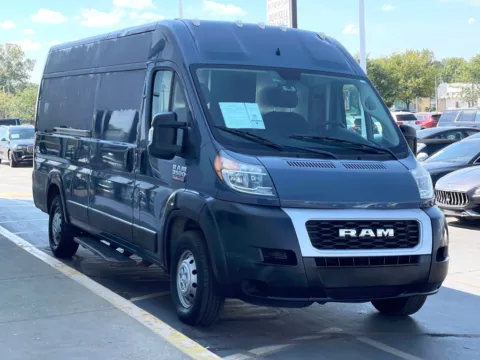
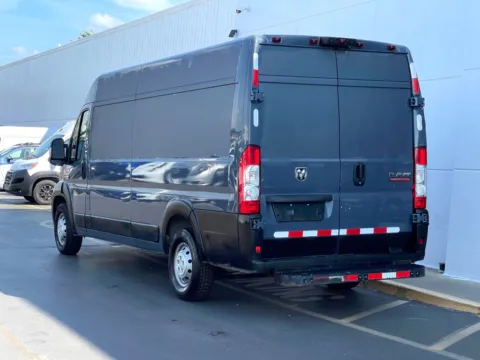
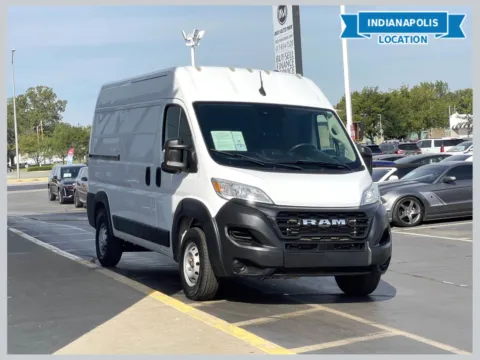
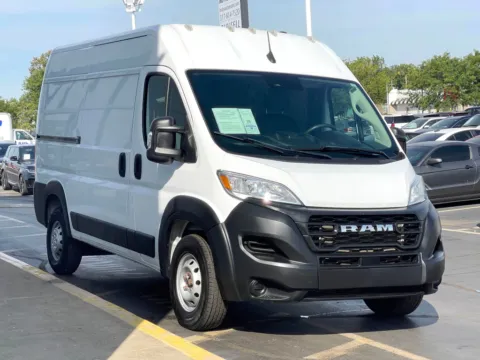
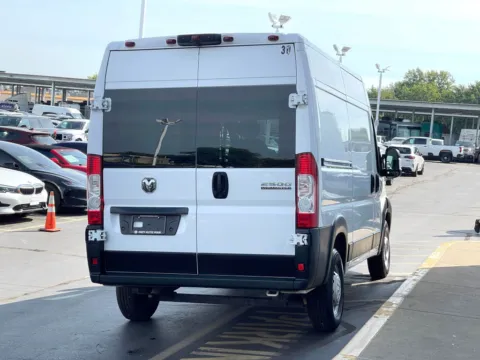
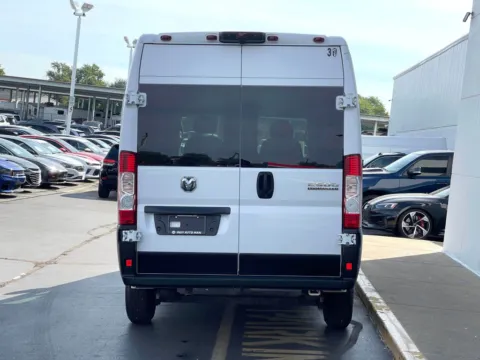
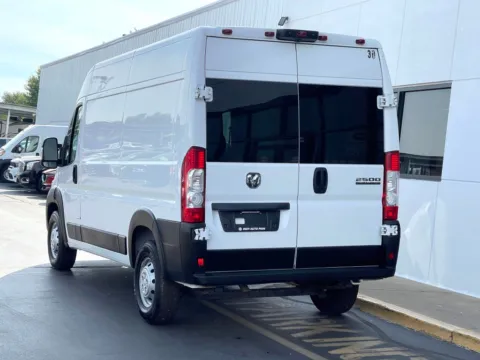
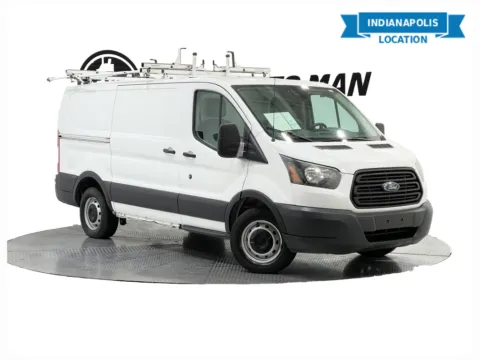
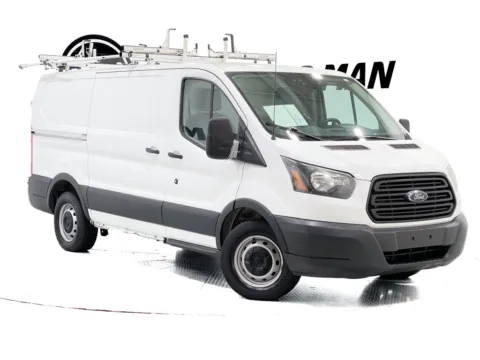
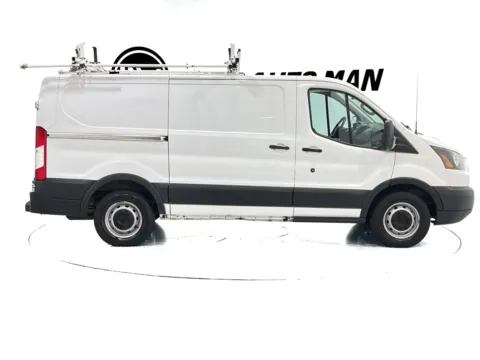
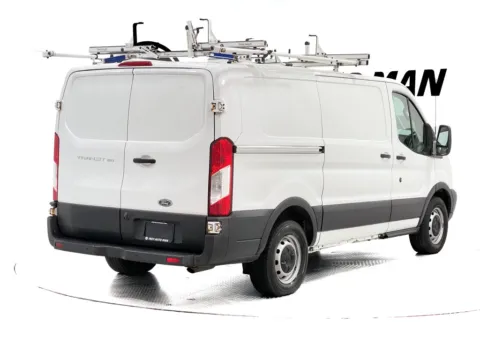
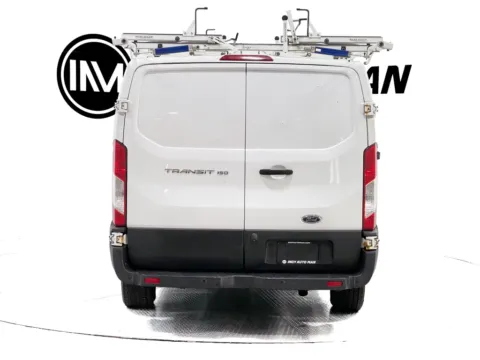
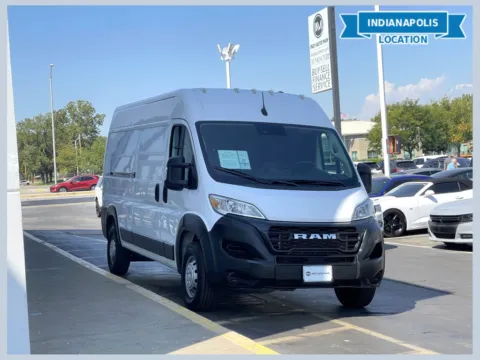
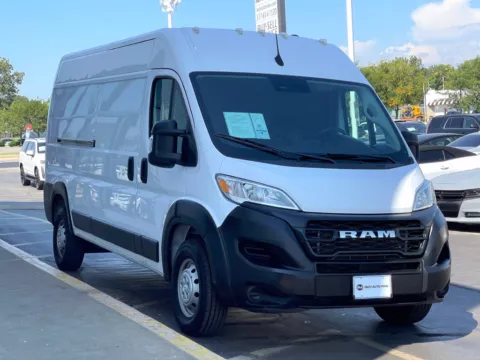
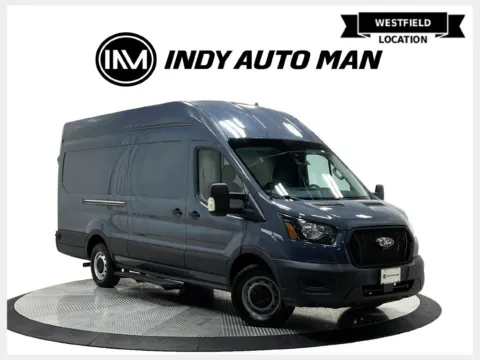
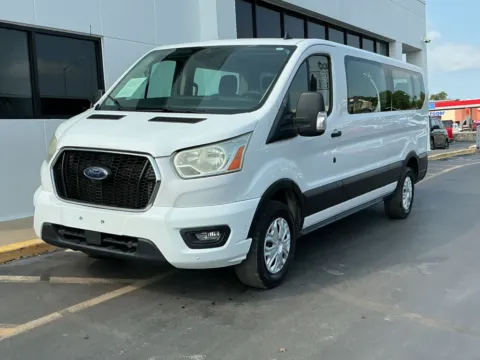
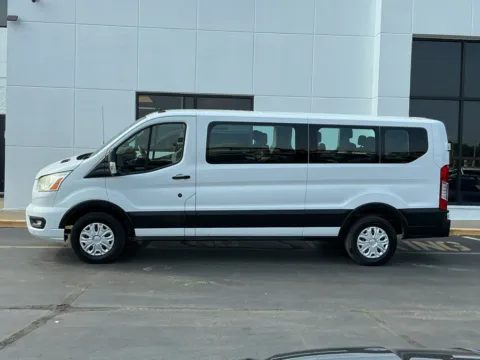
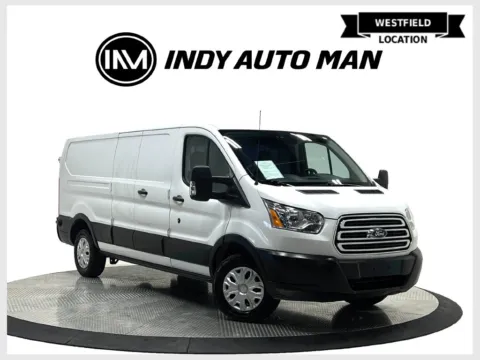
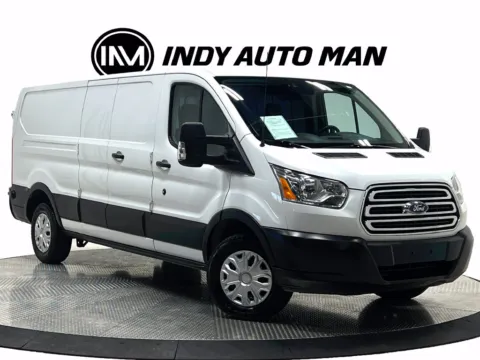
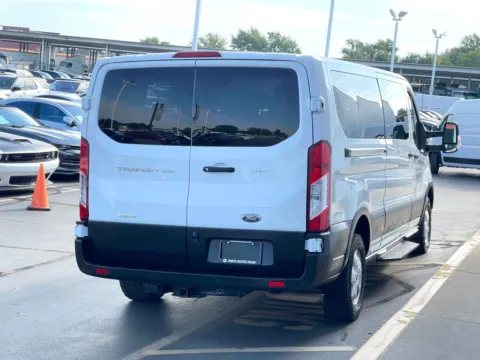
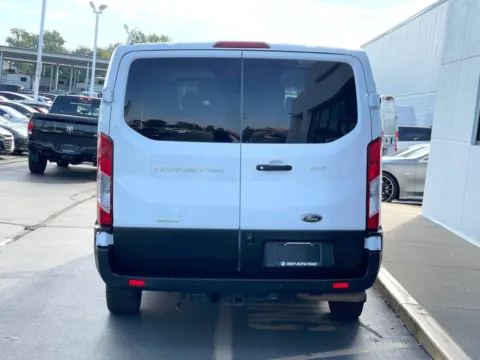
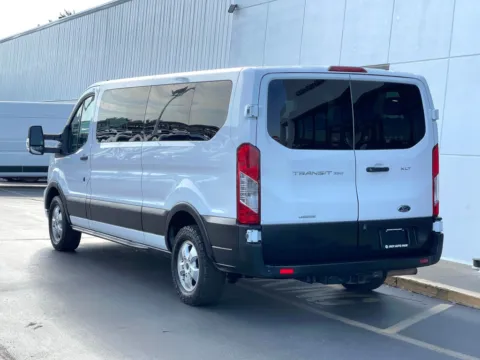
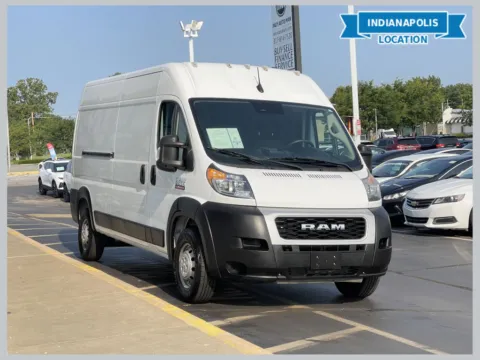
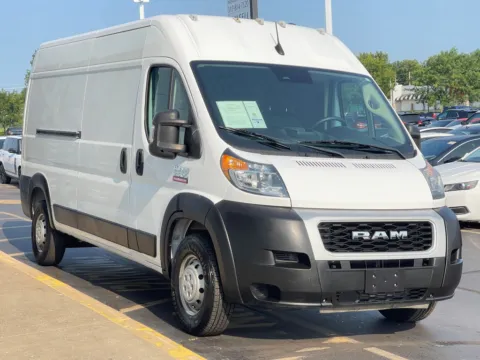
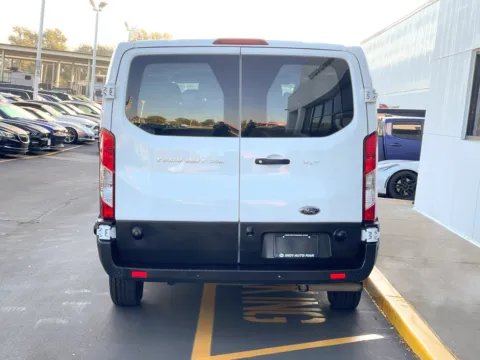
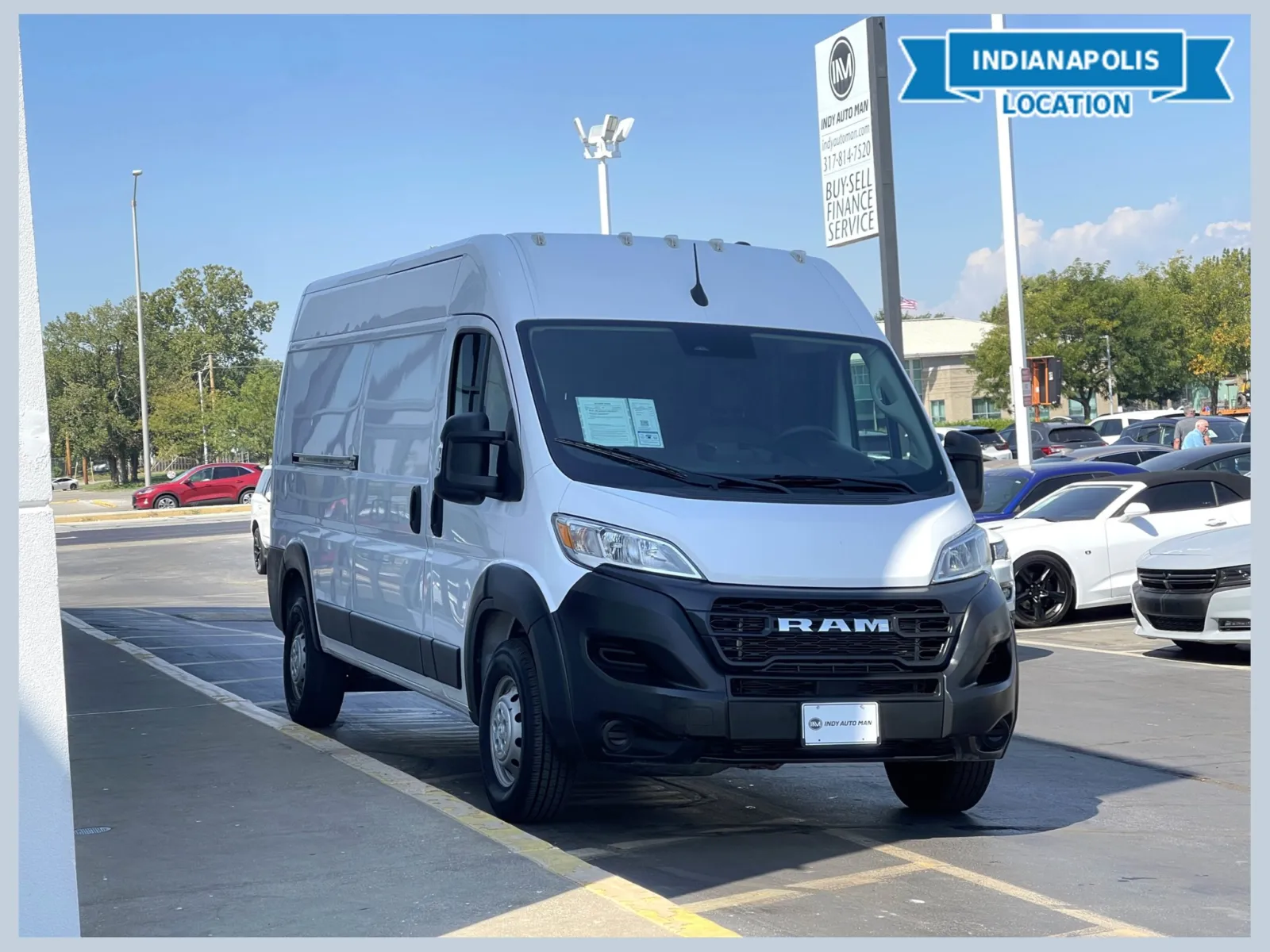
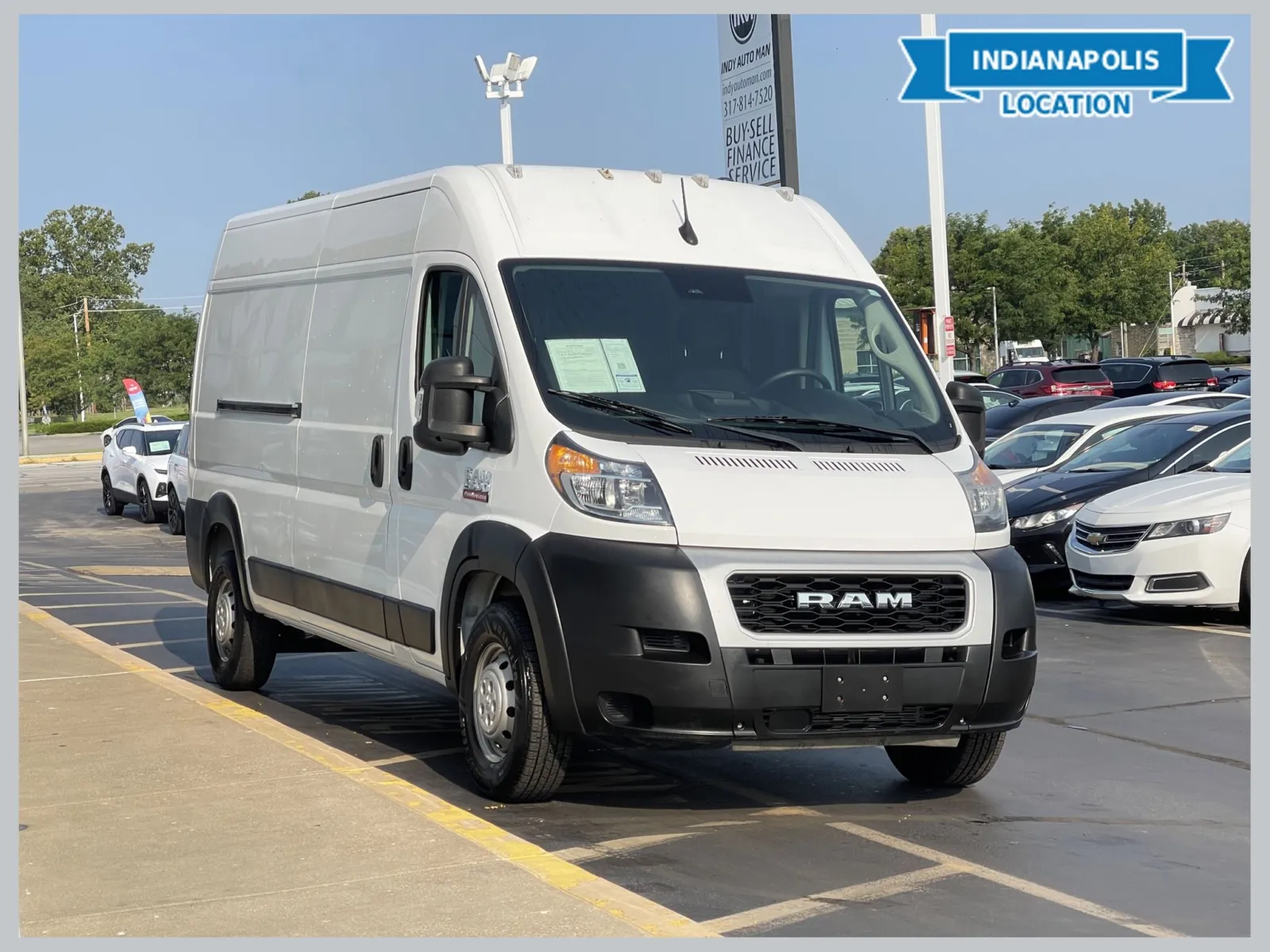
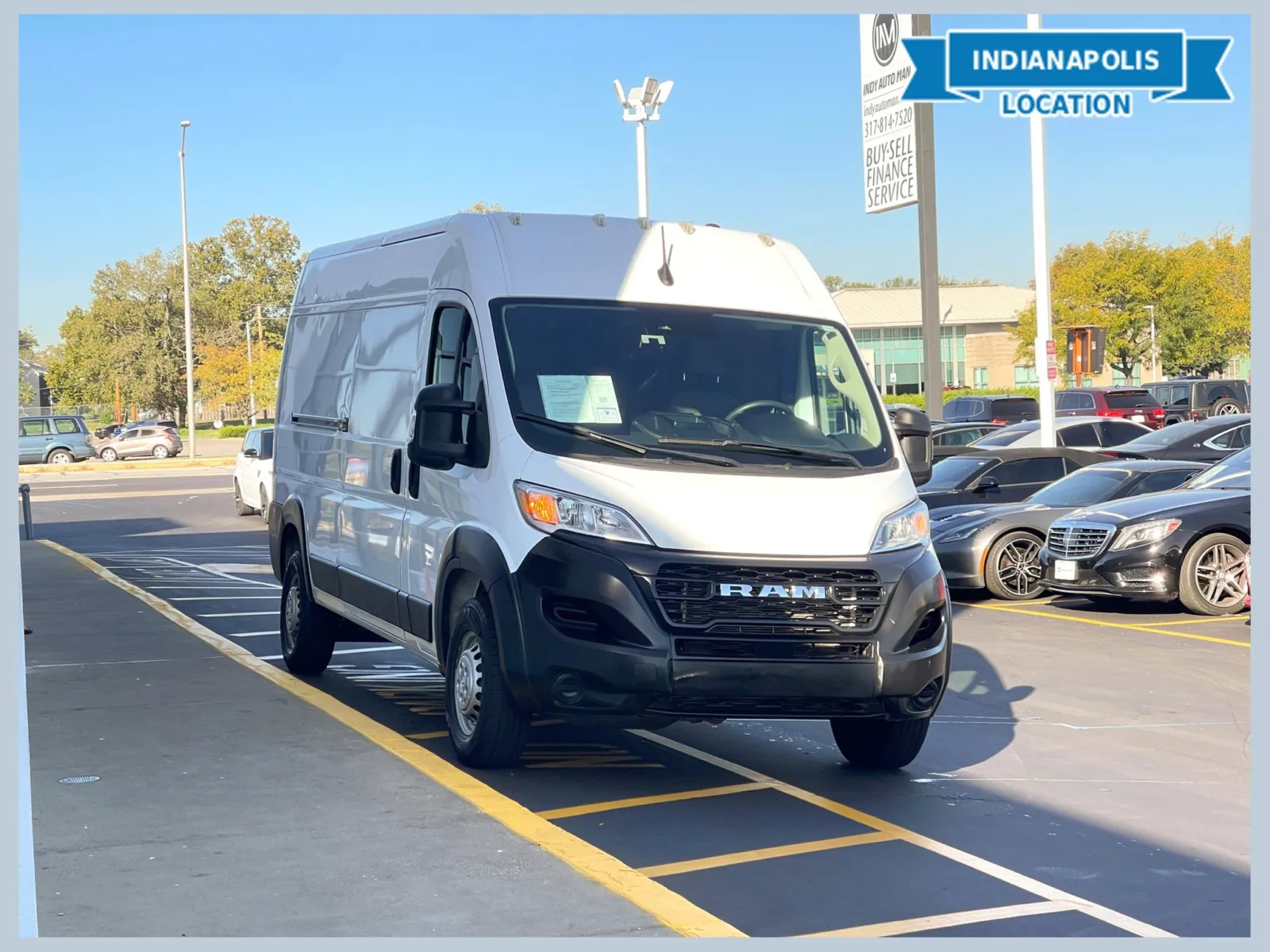
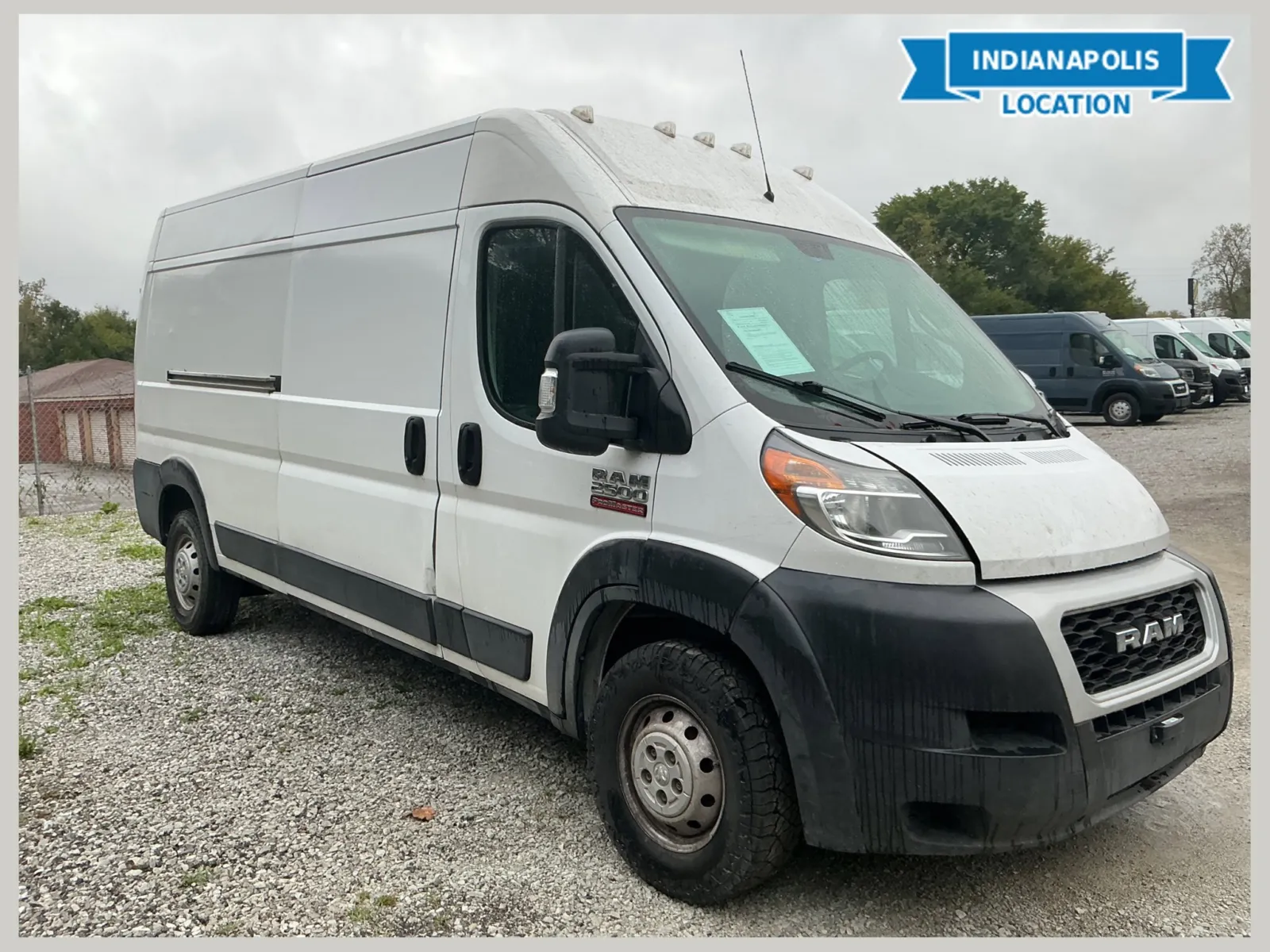
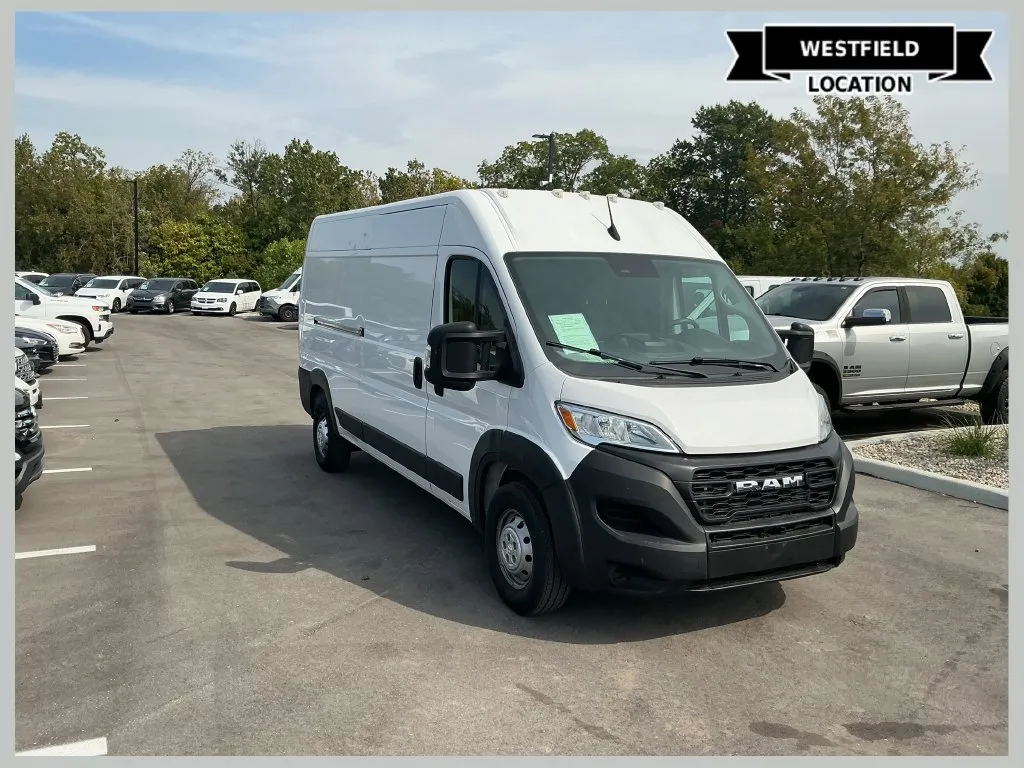
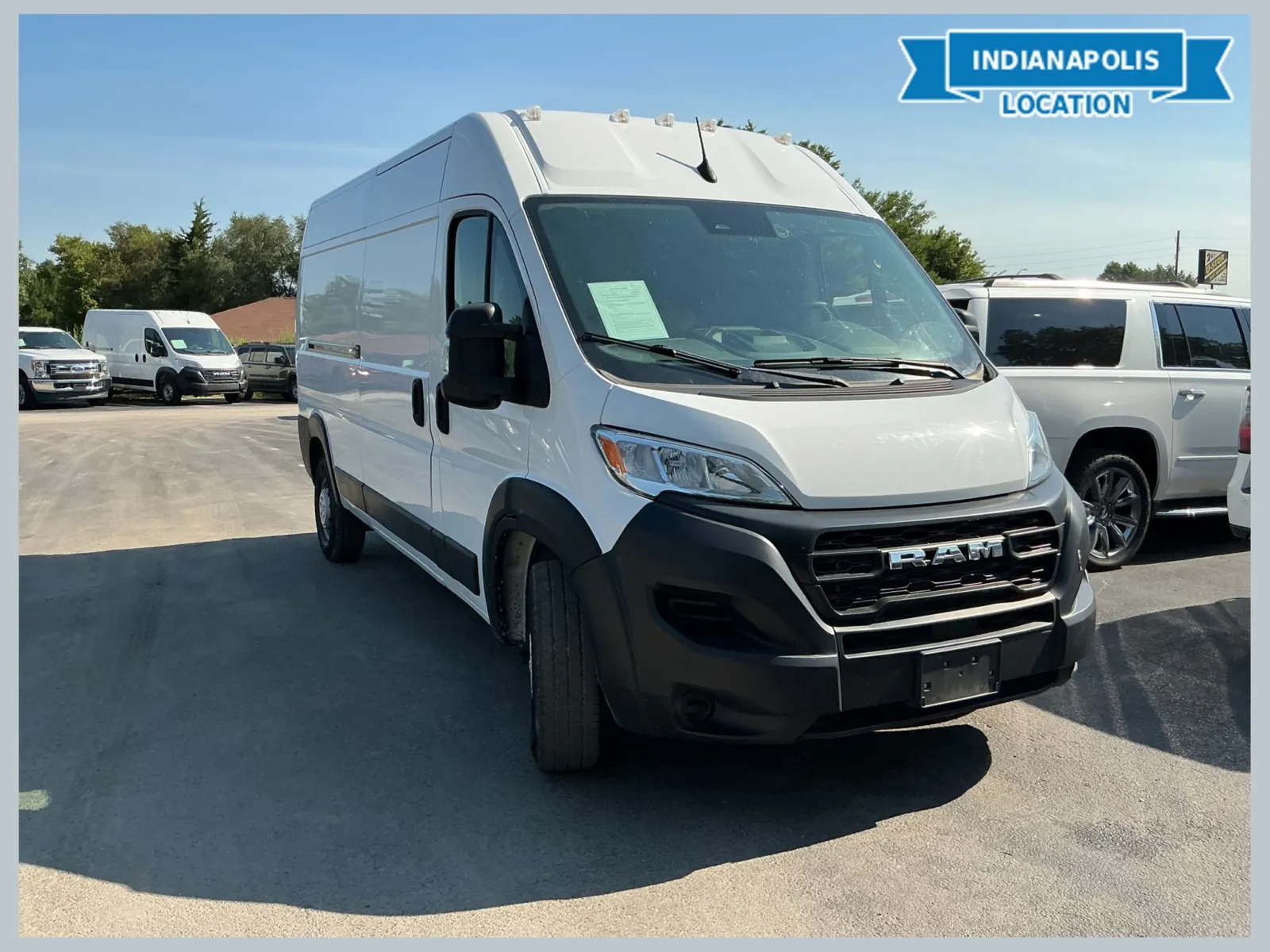
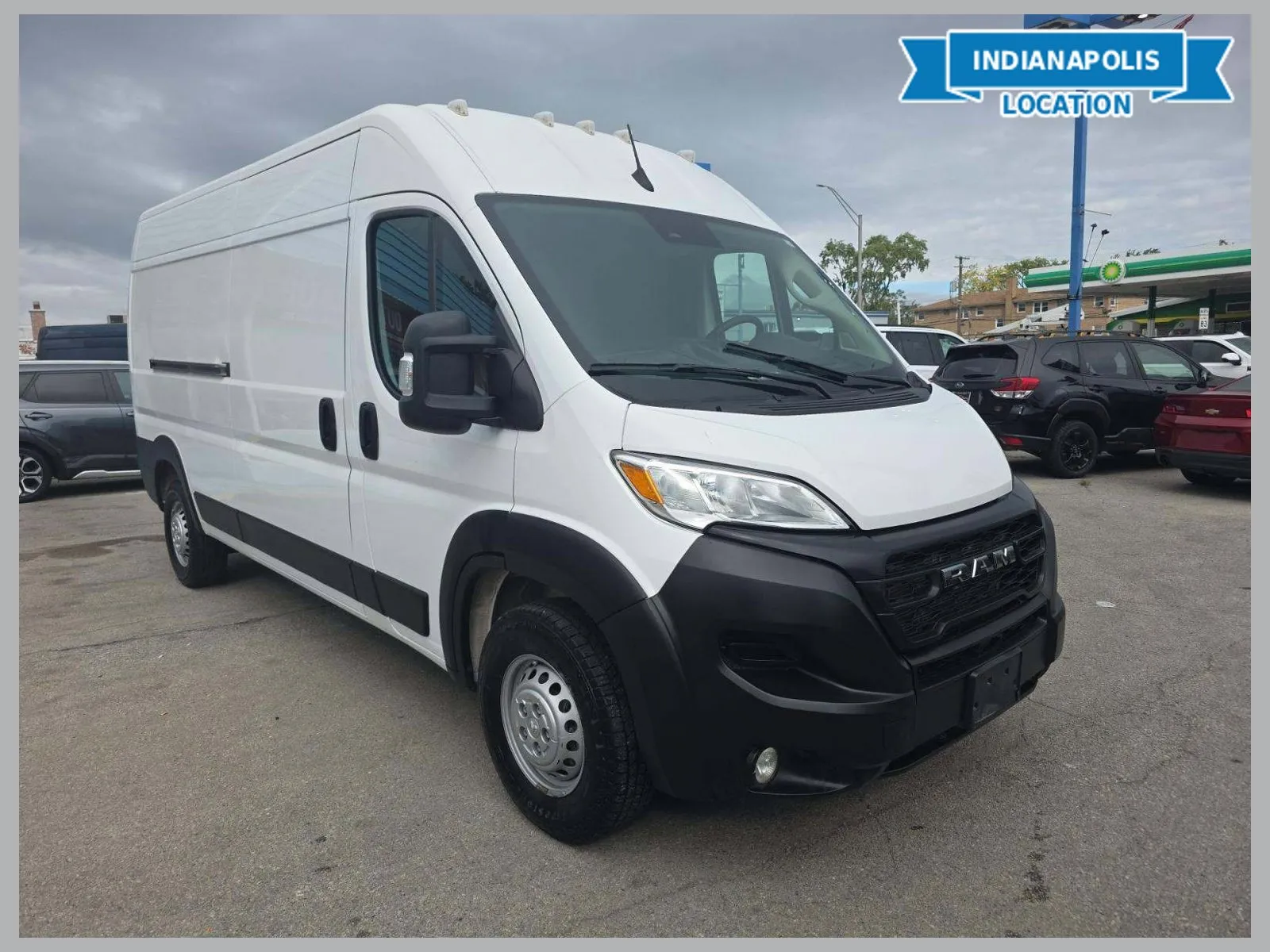
The RAM ProMaster and Ford Transit are two of the most popular full-size work vans, but they approach the job differently. The ProMaster emphasizes front-wheel-drive practicality, a flat cargo floor, and nimble handling, while the Transit delivers a conventional rear-wheel-drive setup with robust towing, payload potential, and a wide range of configurations.
Whether you run a contracting crew, delivery route, mobile service operation, or another small business in Indiana that depends on cargo space and flexibility, the right van can directly affect your productivity and profit. The better one comes down to the demands of your daily work.
Keep reading for a side-by-side look at both used vans and a clear breakdown by Indy Auto Man of which one may be the smarter investment for your business.
Quick overview: RAM ProMaster vs. Ford Transit
| Specification | RAM ProMaster | Ford Transit |
|---|---|---|
| Drive layout | Front-wheel drive | Rear-wheel drive; AWD available |
| Max cargo volume | Very spacious, with a wide floor and tall cargo area | Competitive, especially in long-wheelbase, high-roof configurations |
| Maximum wheelbase | Up to 13 ft | Up to 14.1 ft |
| Maximum overall length | Up to 20 ft | Up to 22 ft |
| Maximum GVWR | Up to 9,350 lbs | Up to 10,360 lbs |
| Payload and towing | Strong payload for the class; adequate towing for typical loads | Often higher towing and payload options, especially in heavy-duty configurations |
| Best suited for | Urban delivery, lighter loads, conversions, tight spaces | Heavy loads, towing, larger payloads, demanding work |
Why the RAM ProMaster stands out for Indiana business

Front-wheel drive and maneuverability
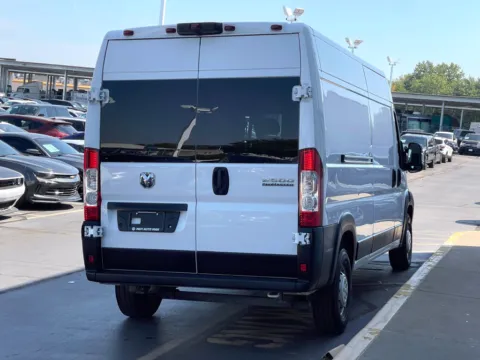
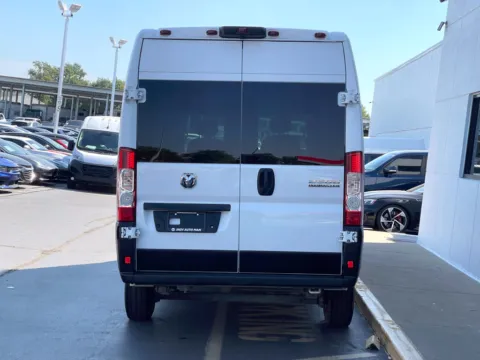
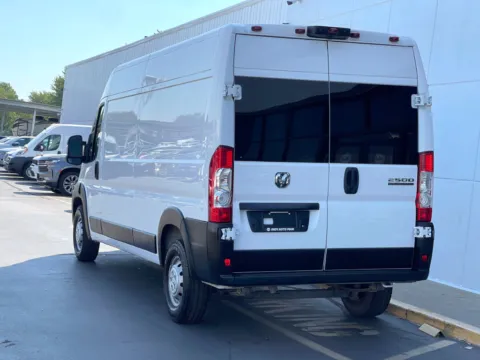
The ProMaster’s front-wheel-drive layout is one of its biggest practical advantages. Because no driveshaft runs beneath the cargo area, the van offers a flatter, wider load floor. That makes it easier to load bulky items, install shelving, or create a custom mobile workspace.
The layout also contributes to a tighter turning radius. For businesses making frequent stops in city traffic, navigating narrow driveways of Indianapolis, or parking at crowded job sites of Westfield, the ProMaster can feel noticeably easier to handle than a larger rear-wheel-drive van.
Ideal for urban delivery and light-to-medium loads
If your daily routine involves parcel delivery, service calls, or transporting tools and equipment without a heavy trailer, the ProMaster is a highly practical choice. Its efficient cargo volume, strong payload capacity for smaller loads, and convenient entry and exit make it well suited to stop-and-go work.
The ProMaster’s front-wheel-drive traction can also be helpful in slushy conditions or on snow-packed residential streets, where lighter driveline components and a manageable footprint make daily driving less stressful.
Simpler upfits and conversions
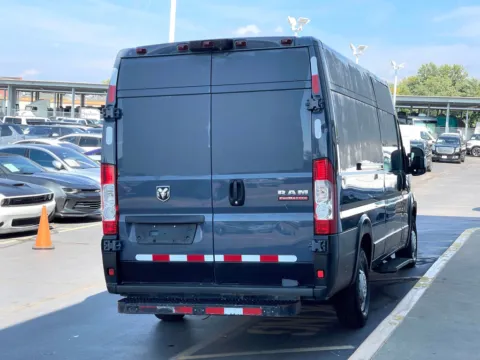
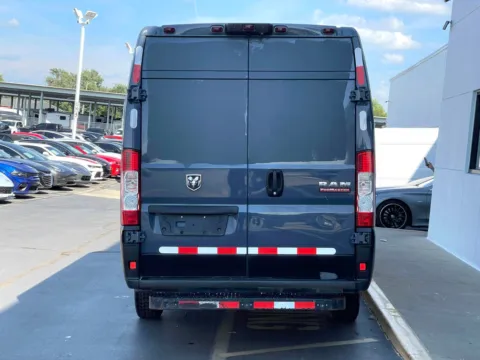
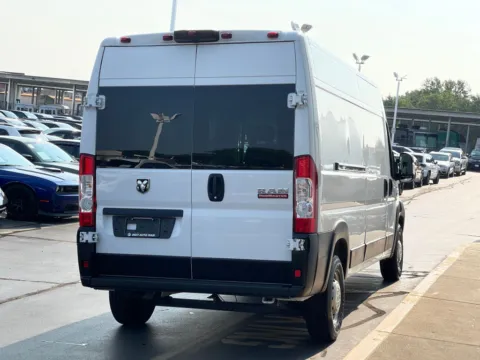
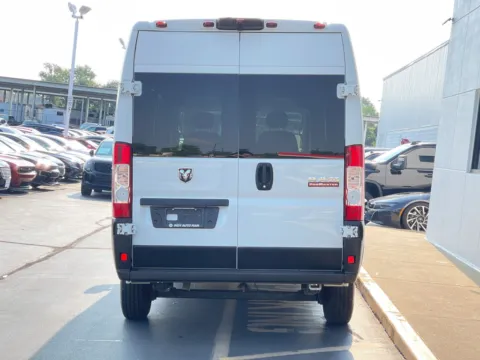
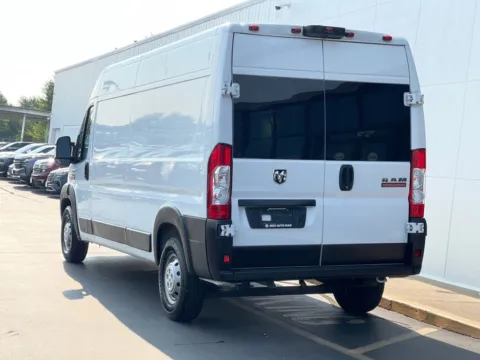
For trades such as plumbing, electrical work, HVAC, or delivery services, customization matters. The ProMaster’s flat floor and lack of a central driveshaft hump make it easier to add shelving, drawers, partition walls, workstations, or even a camper-style sleeping platform.
That simpler layout can also reduce complexity around the driveline. For buyers who want a work van that is easy to organize and customize, the ProMaster is often the more straightforward platform.
Why the Ford Transit may be the better fit

Higher payload and towing capability
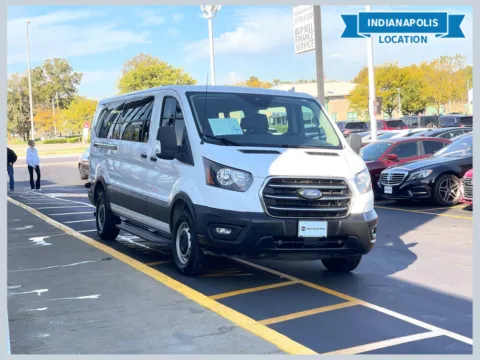
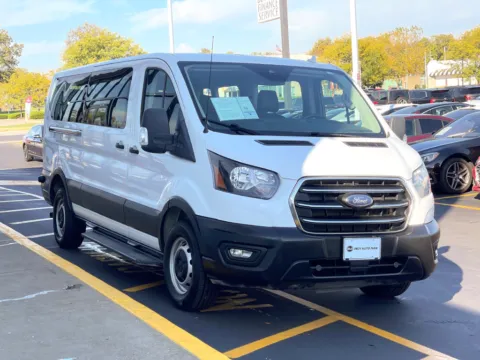
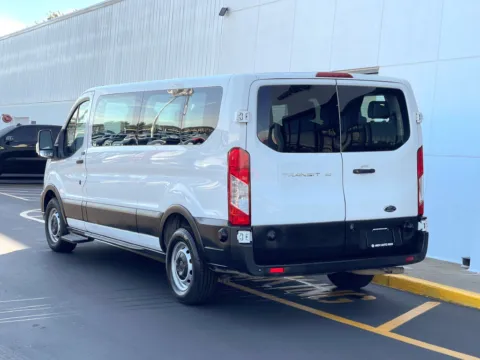
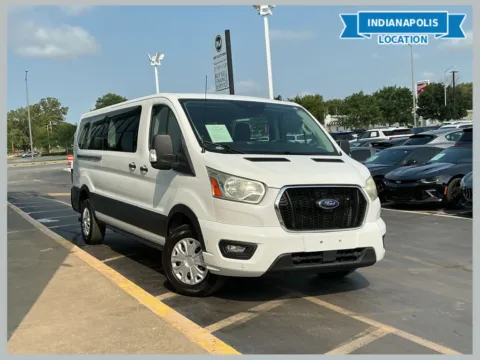
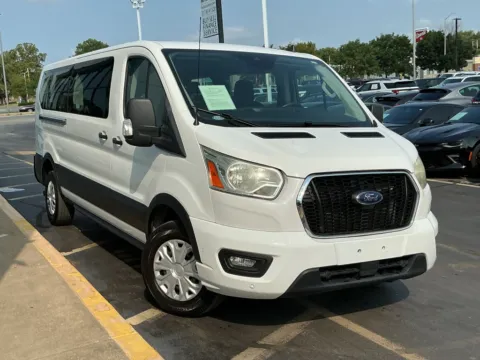
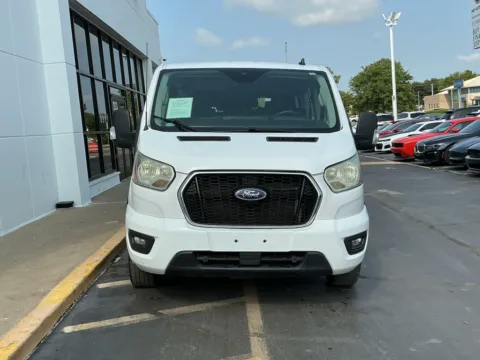
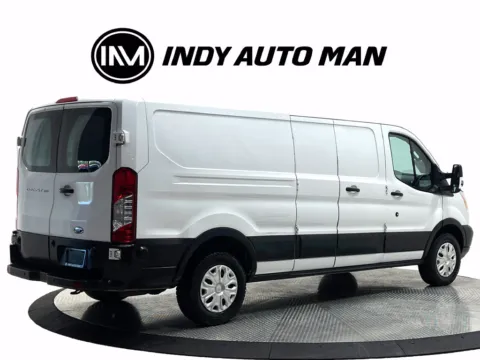
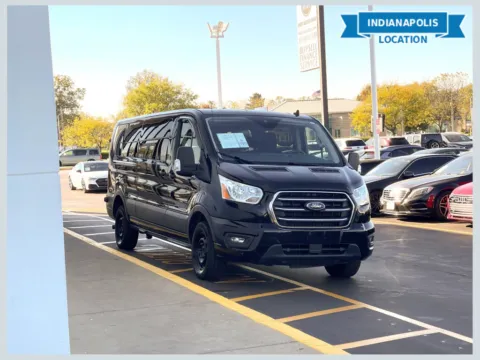
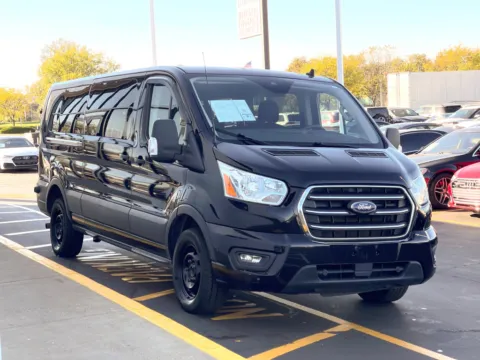
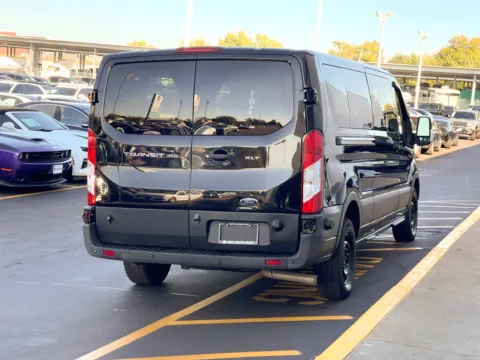
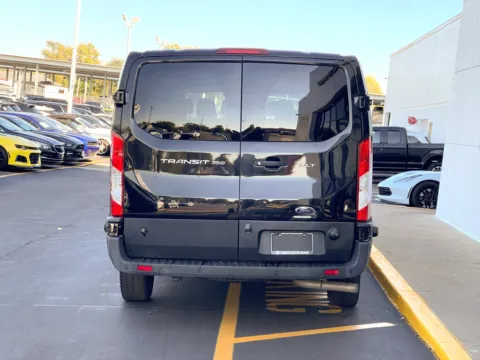
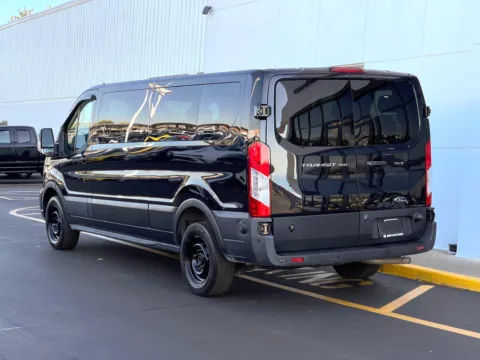
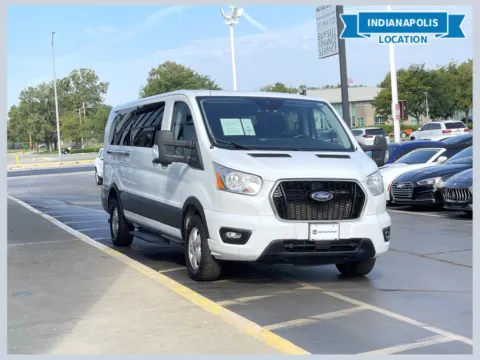
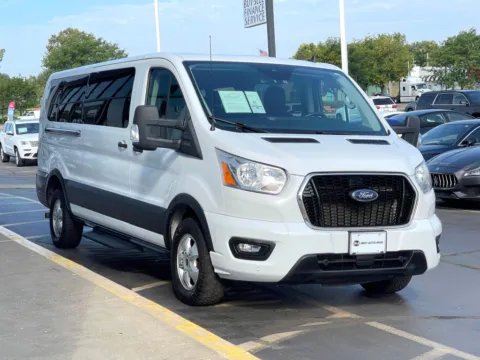
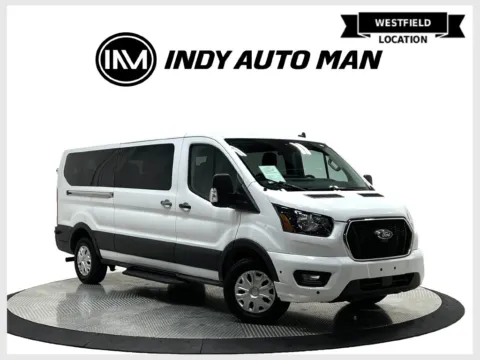
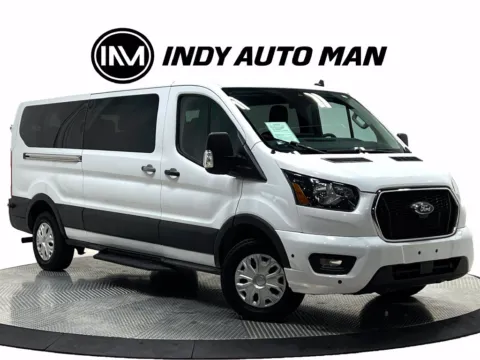
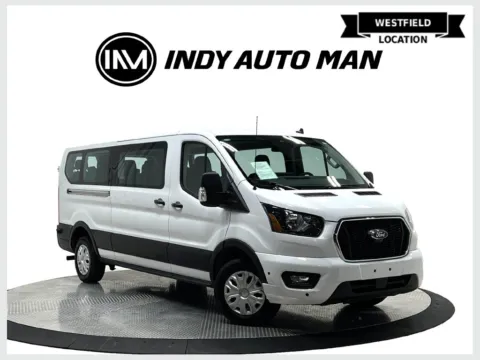
If your business regularly hauls heavy tools, building materials, equipment, or trailers, the Ford Transit deserves a close look. Its rear-wheel-drive setup and available all-wheel drive on certain trims give it a more traditional foundation for carrying weight and managing towing demands.
The Transit is available in configurations with a GVWR of up to 10,360 lbs, giving it an edge for businesses that need a van capable of handling more demanding workloads. For contractors, fleet operators, and companies that tow trailers or carry substantial cargo, that extra capability can be a major advantage.
Versatility for heavy-duty or mixed use
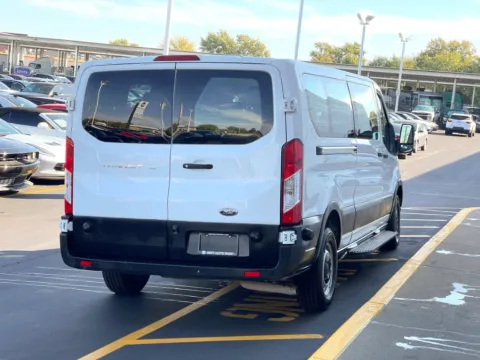
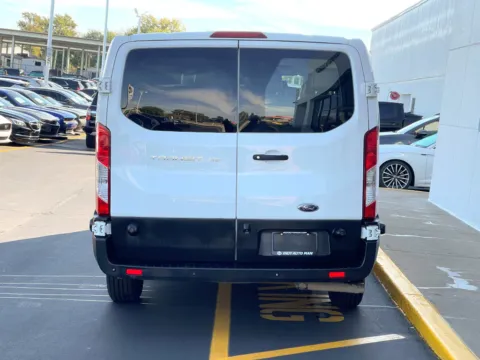
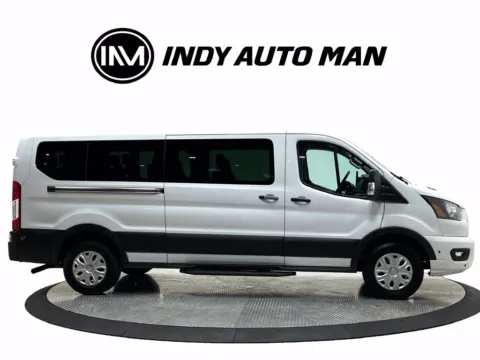
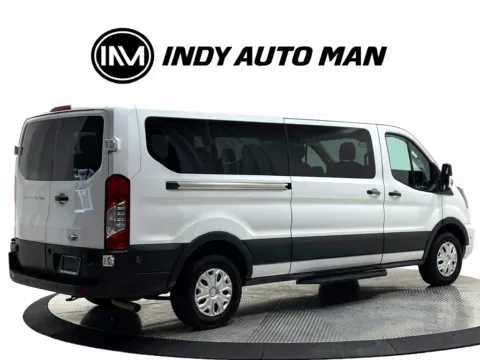
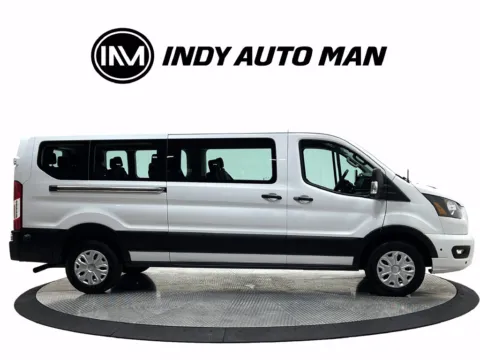
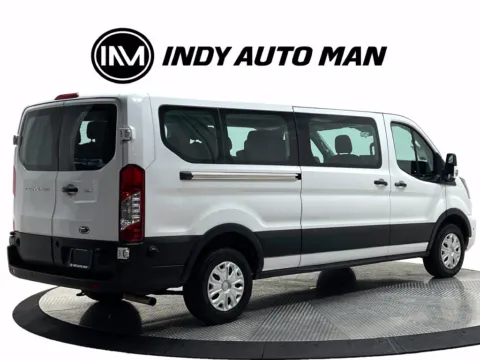
One of the Transit’s strongest qualities is flexibility. It is offered in multiple wheelbases, roof heights, and body styles, including cargo, passenger, crew, chassis-cab, and cutaway versions. That range makes it easier to match the van to your exact operation.
Whether you need a delivery van, a mobile workshop, a passenger shuttle, or a platform for a specialized upfit, the Transit’s broad configuration options make it a versatile choice for mixed-duty work. Its available AWD can also add confidence for businesses that operate in changing weather or on less predictable roads.
Proven platform and aftermarket support
The Transit has widespread adoption among commercial buyers and upfit companies. That translates into strong access to parts, accessories, shelving systems, conversion components, and service support.
- For a growing business, that matters. A popular platform can make it easier to customize the van now, maintain it over time, and potentially preserve resale value later.
- If you expect to scale your fleet or need a van that can adapt as your business changes, the Transit is a compelling option.
Comfort, safety, and technology
Both vans are designed to keep drivers comfortable and connected during long workdays. The ProMaster offers up to 56.0 inches of front headroom, while the Transit provides 56.6 inches. Both can be configured as cargo vans or passenger vans, with seating capacity reaching up to 15 in passenger-oriented layouts.
- On the safety and convenience side, the ProMaster offers features such as Blind Spot Assist, Forward Collision Warning, and Crosswind Assist.
- The Transit offers Pre-Collision Assist, Lane Keep Assist, Blind Spot Assist, and Adaptive Cruise Control. Both vans include a standard rearview camera, while surround-view camera systems are available depending on configuration.
For Indiana business owners, telematics can be especially useful. Both vans offer available telematics support, with Ford offering Ford Telematics™ to help monitor vehicles, driver behavior, and fleet efficiency.
RAM ProMaster vs. Ford Transit: Price, value, and ownership costs
The RAM ProMaster has a starting MSRP of around $44,000, while the Ford Transit starts around $46,000. In the used market, pricing depends heavily on model year, mileage, roof height, wheelbase, drivetrain, condition, and prior commercial use.
- The ProMaster often delivers strong value for buyers who prioritize cargo space, maneuverability, and customization. Its simpler front-wheel-drive layout may also mean less complexity in some driveline-related maintenance.
- The Transit may carry a slightly higher starting price in some trims, but it offers more choices for buyers who need higher towing capacity, heavier payload ratings, or all-wheel drive. Its more robust heavy-duty configurations can be worth the investment for businesses with demanding workloads.
Which used van should I choose: Transit or ProMaster?
Choose the RAM ProMaster if your business centers on urban deliveries, frequent stops, light-to-medium cargo, camper or mobile-office conversions, and easy maneuvering in tight spaces. Its flat cargo floor and front-wheel-drive layout make it especially appealing for trades and service businesses that need a customizable van.
Choose the Ford Transit if you regularly carry heavy loads, tow trailers, need all-wheel drive, or want maximum configuration flexibility. It is the stronger option for contractors, fleet operators, and businesses that need a van built for tougher, more varied work.
Which model years have the strongest reliability records?
For the Ford Transit, used buyers often find the strongest overall value in 2018–2021 models. These years benefit from updates made after the Transit’s earlier launch years, and independent owner-review data has generally rated the 2017 and 2019 Transit especially well.
For the RAM ProMaster, 2019 and later models are commonly considered safer used-van bets than the earliest examples. The 2014 launch year is widely viewed as the most problematic, while 2019 and 2021 ProMasters tend to receive more favorable owner feedback.
Which delivers better real-world fuel economy under comparable loads and driving conditions?
In comparable real-world testing, the two vans are very close. Car and Driver recorded 17 mpg at 75 mph for both a RAM ProMaster 2500 High Roof cargo van and a rear-wheel-drive Ford Transit with the twin-turbo V6; an AWD Transit recorded 16 mpg in the same test.
Neither van receives official EPA fuel-economy ratings because full-size cargo vans are exempt from federal fuel-economy testing requirements. In practical terms, expect fuel economy to vary with roof height, cargo weight, speed, city driving, and whether the Transit is rear-wheel drive or AWD. For a business focused on fuel costs, a lower-roof, rear-wheel-drive configuration and consistent highway routes will generally deliver the best results from either model.
Find your next used work van at Indy Auto Man
The right van should match the way your business actually works, not just look good on a spec sheet. At Indy Auto Man, we carry a selection of quality used vans and can help you compare the Ford Transit and RAM ProMaster based on cargo needs, budget, towing requirements, and long-term operating costs.
Visit our Indianapolis or Westfield car lot to inspect both models in person, take a test drive, and find the used work van that keeps your business moving.