Brakes, Blowouts, and Heavy Loads: Truck Risks on Indiana Roads
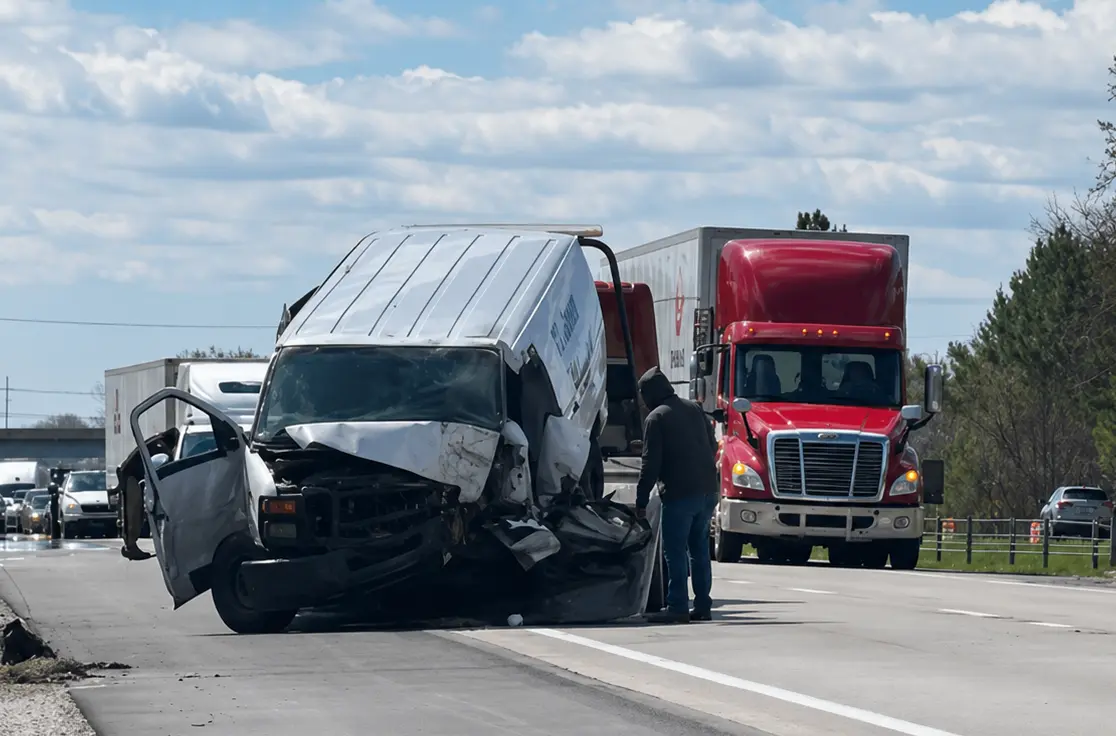
Drive a few miles in Indiana and you’ll see the whole mix: commuters heading into Indianapolis, family SUVs on school runs, delivery vans, contractor pickups, farm trucks, and semis hauling freight across the state. Most of the time, everyone moves along without much thought. Then a trailer starts to sway. A strip of tire tread shows up in the lane ahead. A loaded truck takes a little too long to slow down near a backup.
That is when truck maintenance stops feeling like someone else’s problem. Brakes, tires, lights, steering, suspension, and cargo securement all affect how a heavy vehicle behaves in traffic. When one of those systems is neglected, the risk spreads quickly to the cars around it.
A truck problem becomes everyone’s problem
A loaded truck does not move like a passenger car. It needs more room to stop, more space to turn, and more time to react when traffic changes without warning. Add worn parts to that equation, and the margin for error gets smaller.
A car with healthy brakes can usually adjust to a sudden red light or a slowdown near an exit. A heavy truck with worn brakes may not have that same ability. A bad tire on a sedan can ruin the day. A blowout on a loaded truck can send rubber across multiple lanes and leave nearby drivers making split-second decisions. Even a broken brake light can make a truck harder to read, especially when traffic is tight.
Good maintenance makes vehicles predictable. Poor maintenance leaves everyone else guessing. At highway speeds, guessing leaves drivers with very little room for error.
The truck issues that create real road hazards
Commercial trucks cover long distances and carry weight that puts constant stress on mechanical parts. Carriers operate under federal inspection, repair, and maintenance rules that require safety-related equipment to stay in proper working condition.
Worn brakes
Truck brakes work hard on Indiana highways. Construction zones, exit ramps, rush-hour backups, and sudden slowdowns all demand a lot from a heavy vehicle. If the brakes are worn, overheated, or poorly adjusted, the truck may need far more distance than surrounding drivers expect.
That danger is easy to miss from the outside. A truck can look perfectly ordinary until traffic stops and it cannot slow smoothly.
Tire failures
A truck tire blowout is hard to ignore. It is loud, sudden, and dangerous. Pieces of tread can land in nearby lanes, the trailer can shift, and drivers around the truck may swerve before they have time to think.
Heat, low tire pressure, overloading, worn tread, and long highway runs can all make tire problems worse. Indiana drivers see shredded tire debris along interstates often enough to know it is not rare. When that debris comes from a large truck, avoiding it can become a quick test of attention and space.
Poor lighting and visibility
Brake lights, turn signals, reflectors, and mirrors help everyone else understand what a truck is doing. When those parts fail, the truck becomes harder to read.
That matters most in the moments when driving already takes extra focus: rain, fog, night driving, work zones, and busy entrance ramps. If a truck slows with dim brake lights or changes lanes without a clear signal, surrounding traffic loses valuable reaction time.
Steering, suspension, and unstable loads
Steering and suspension systems help keep thousands of pounds of vehicle and cargo under control. When those systems are worn, a truck may drift, bounce, lean through turns, or respond slowly when the driver corrects course.
Cargo can add another layer of risk. A load that shifts during braking, merging, or cornering can pull a trailer off balance. On a crowded road, a small loss of control can quickly become a problem for more than one driver.
Warning signs worth taking seriously
You do not need to know exactly what is wrong with a truck to recognize when something feels off. A swaying trailer, smoking wheels, visible tire damage, missing lights, loose cargo, or a truck drifting across lane markings should all get your attention.
The best response is usually simple: give it room. Do not ride beside the trailer. Avoid sitting in blind spots. Pass steadily when there is enough space, then move on. Staying close to a heavy vehicle that already looks unstable leaves you with fewer choices if something fails.
Why Indiana’s truck routes raise the stakes
Indiana sits in the middle of major Midwest freight movement. Trucks run through Indianapolis, Fort Wayne, South Bend, Evansville, Northwest Indiana, and the interstate corridors that connect local traffic with larger regional markets. I-65, I-70, I-69, I-74, and I-80 all carry commuters, commercial traffic, and long-haul freight, often in the same crowded lanes.
Conditions can change fast. A clear stretch of highway turns into a work zone. Rain cuts visibility. Traffic drops from 65 mph to a crawl near an interchange. When a truck has a maintenance issue in that kind of setting, the problem rarely stays contained to one vehicle.
Chicago is a separate but connected part of the same freight picture, with dense expressways and urban routes that draw trucks from Indiana, Illinois, and surrounding states. The risks seen in negligent truck maintenance accidents show how worn brakes, tire failures, lighting problems, and missed inspections can become far more serious when heavy vehicles enter crowded traffic.
The same maintenance habits matter for passenger cars
Truck problems stand out because the vehicles are larger, but the basic lesson applies to every driver. Brakes, tires, lights, fluids, steering, and suspension all affect how safely a vehicle responds in traffic.
A regular car maintenance checklist helps drivers catch issues before they turn into expensive repairs or unsafe surprises. That matters during daily commutes, weekend errands, road trips, and winter driving across Indiana.
Well-maintained vehicles make the road feel calmer. They stop when expected. They signal clearly. They hold the lane. Other drivers are not left wondering what will happen next.
Give heavy trucks the space they need
A little extra room can make a big difference around heavy trucks. Leave more following distance. Stay out of blind spots. Avoid cutting closely in front of a truck after passing. If a truck looks unstable, has visible tire damage, smokes near the wheels, or seems slow to react, treat it as a warning.
Indiana drivers cannot control the condition of every commercial vehicle they meet on the road. But it's in your force to control spacing, speed, and how long you stay beside a trailer. A road-ready vehicle and a bit of patience can make a crowded stretch of highway much easier to handle and safer to drive.
Ensure your vehicle is prepared for any road scenario by confirming all components are functioning correctly. Schedule diagnostic appointment with Indy Auto Man now.