How Many Tons Is a Car? A Simple Guide for Indiana Buyers
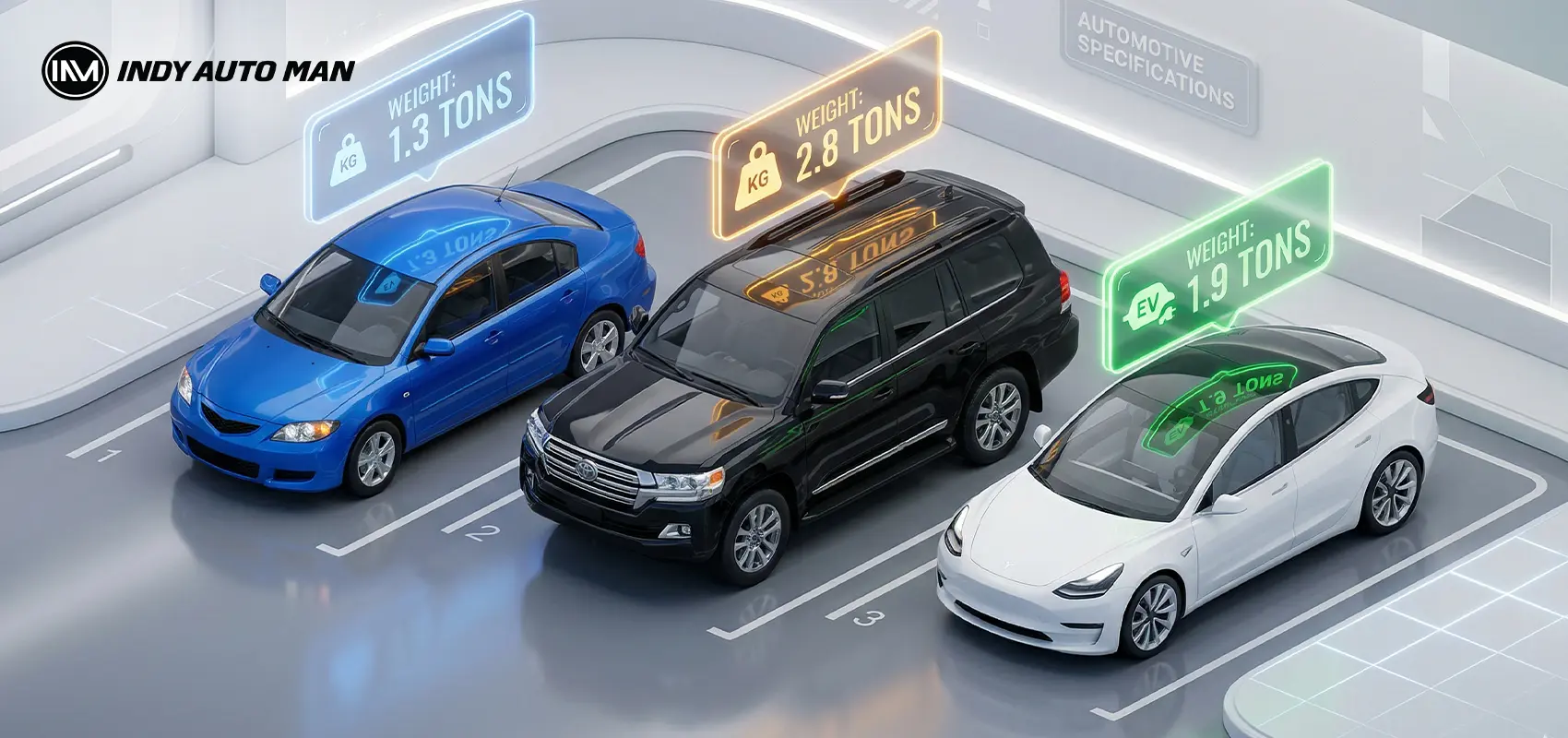
How many tons does a car weigh? The answer depends on the vehicle's type and size, but a typical passenger car weighs between 1.25 and 2 tons.
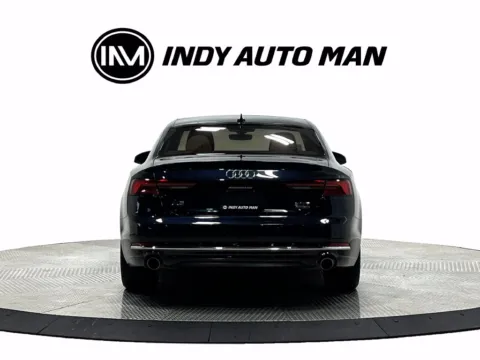
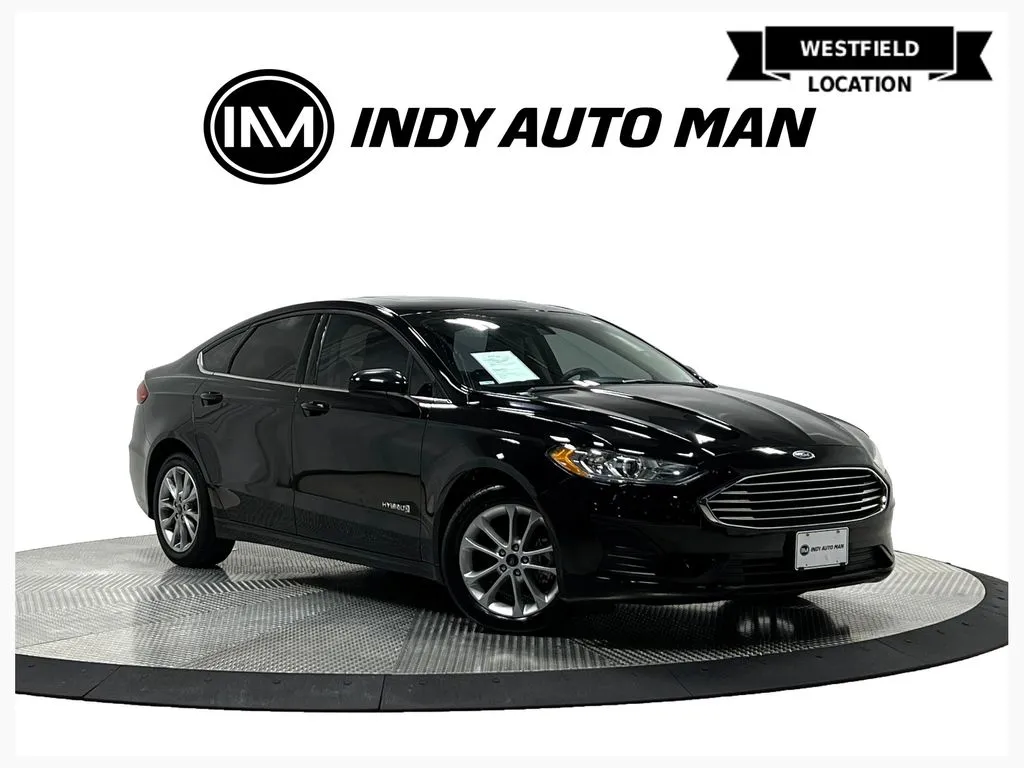
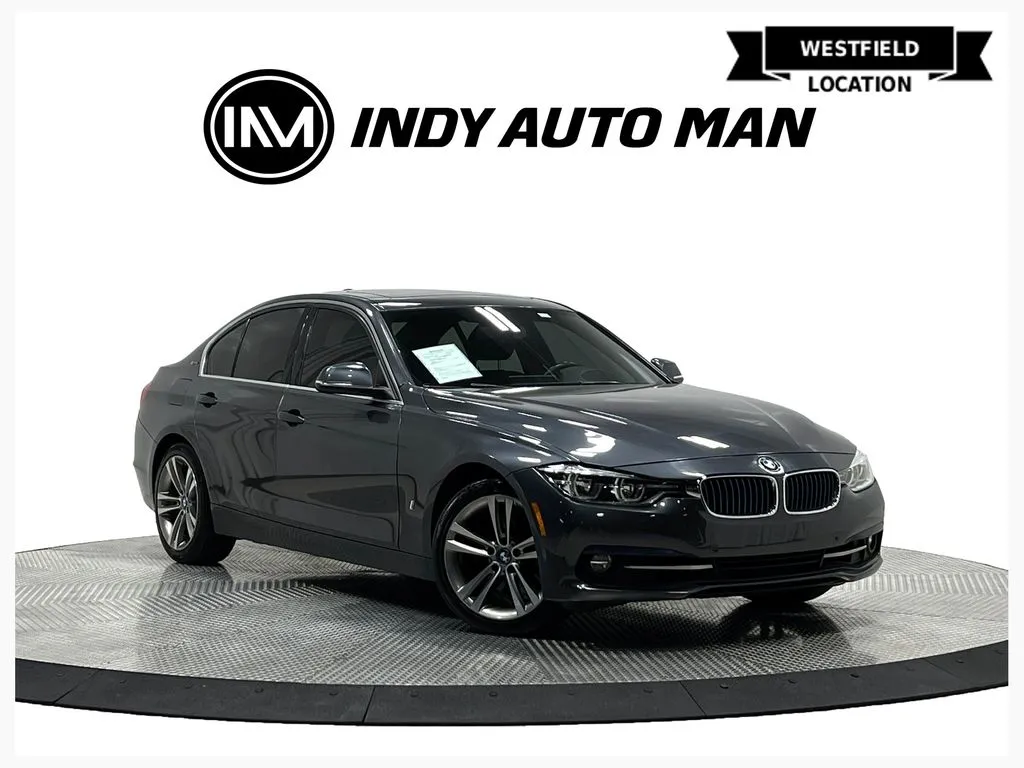
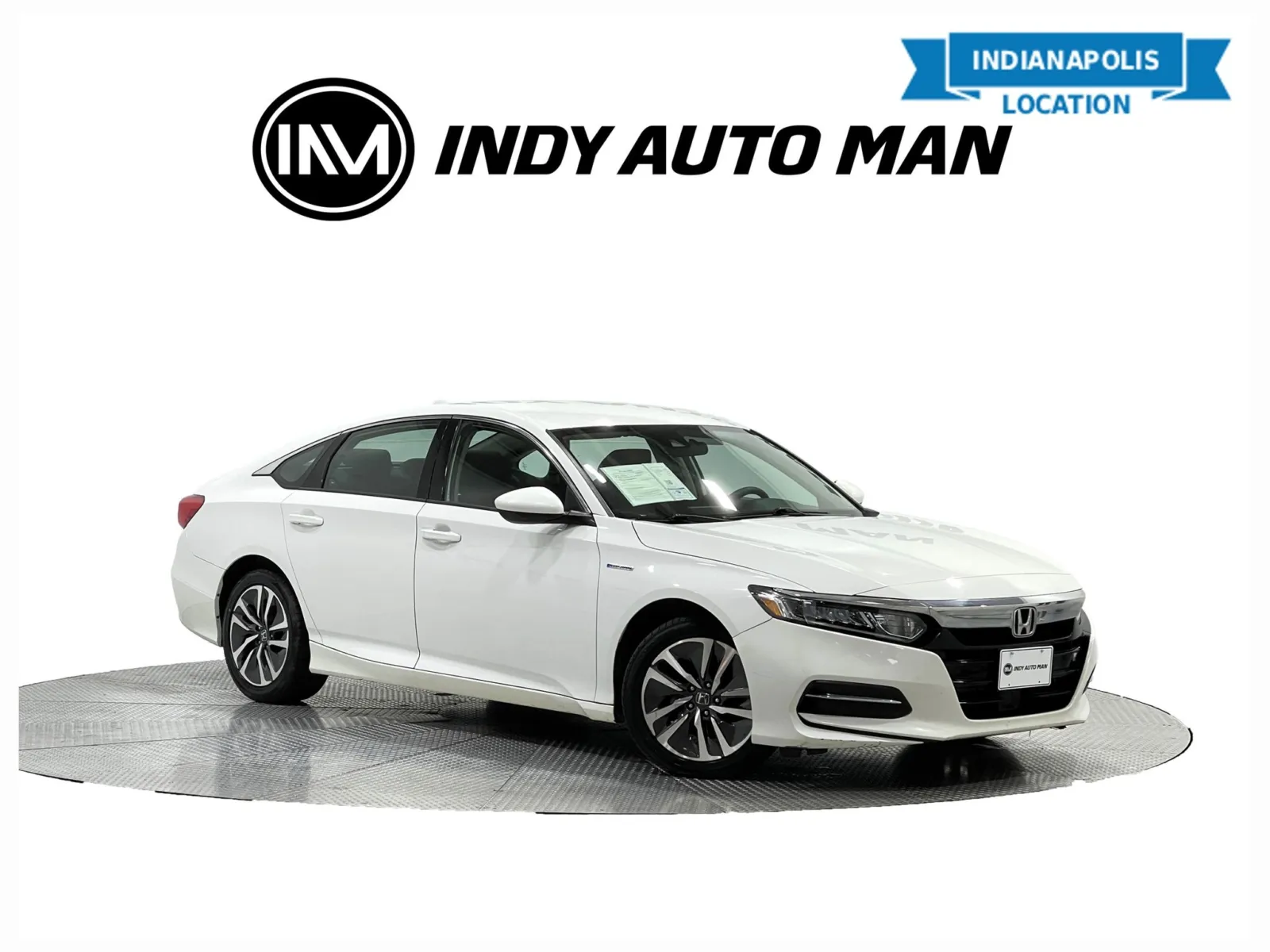
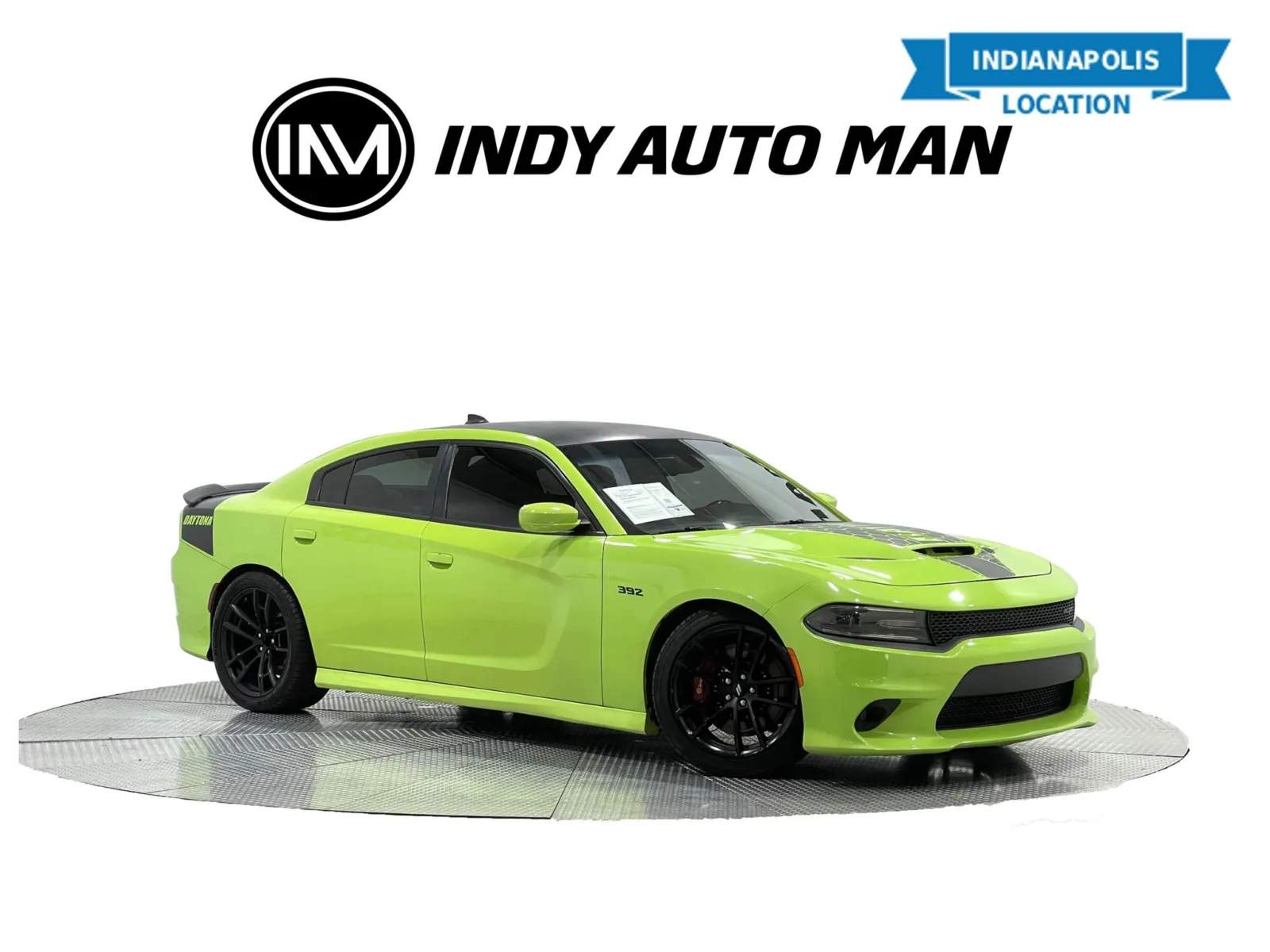
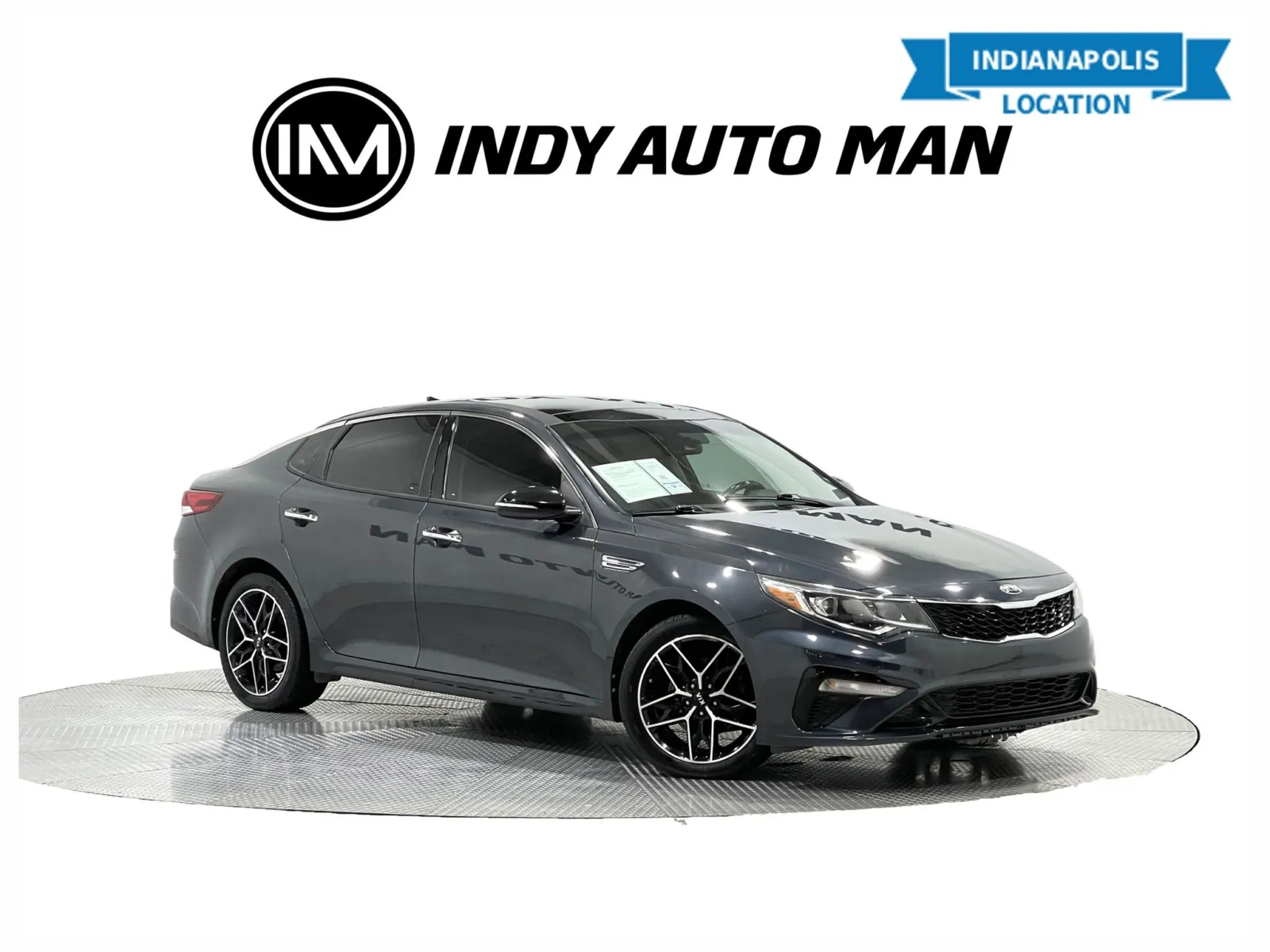
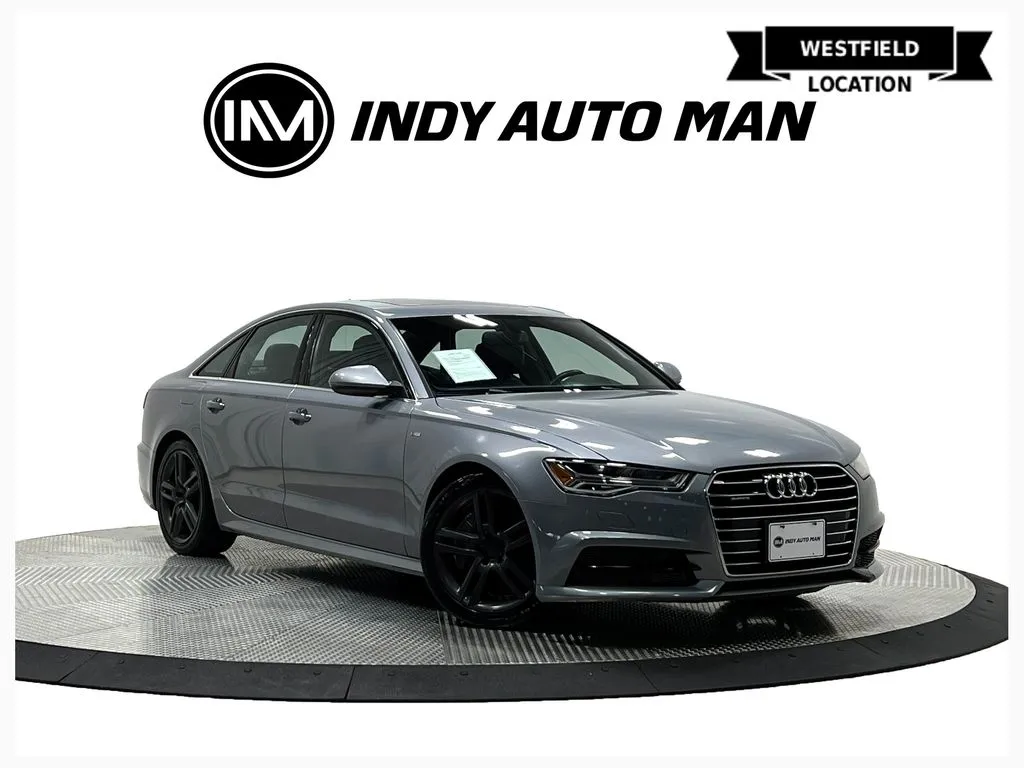
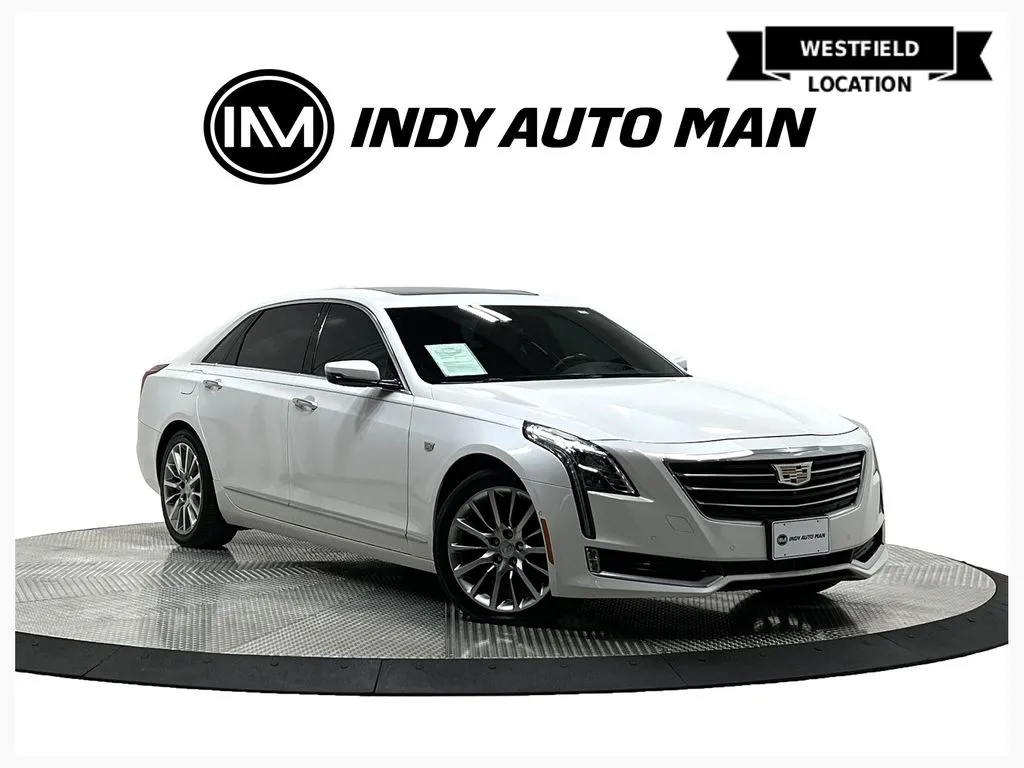
To put that in perspective, the average sedan weighs roughly 1.5 tons, or 3,000 pounds. Larger vehicles like SUVs or pickup trucks weigh more - often between 2 and 3 tons, while electric vehicles tend to add extra weight due to heavy battery packs.
Understanding car weight helps you grasp what you’re dealing with, whether it’s for fuel economy, performance, safety, or even parking space requirements. Let Indy Auto Man technicians break it down to make it easy for you.
What does "tons" mean when talking about cars?
One ton equals 2,000 pounds in the US. When someone asks, “How many tons is a car?” they are really asking about the vehicle’s weight in relation to this measure. For typical passenger cars, weights range from around 2,500 to over 4,000 pounds, which translates to roughly 1.25 to 2 tons.
For example:
- Compact and midsize cars usually weigh between 1.25 and 1.75 tons.
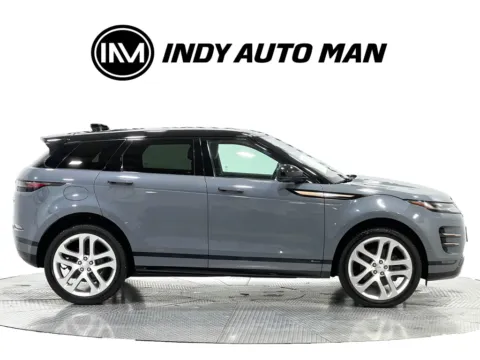
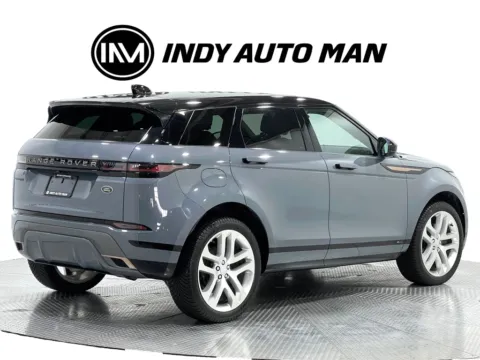
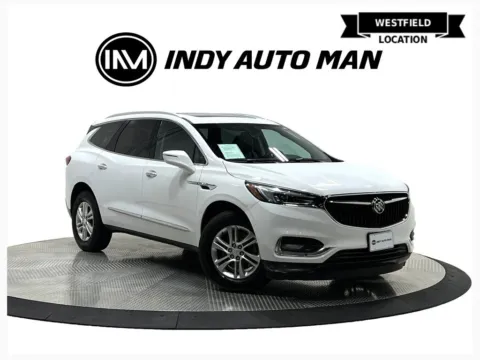
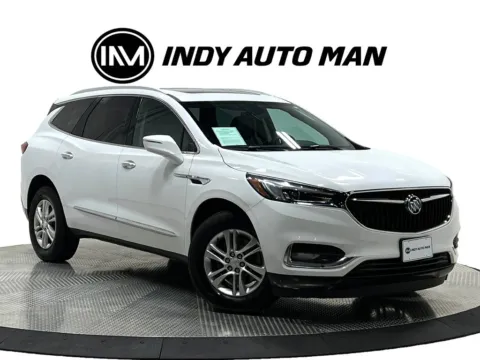
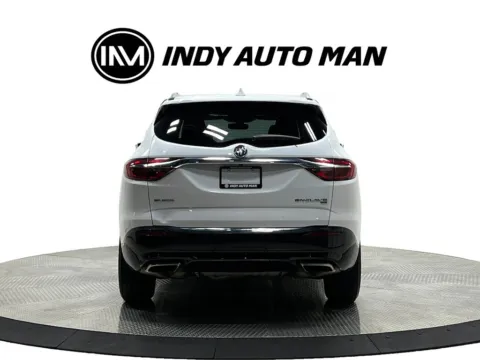
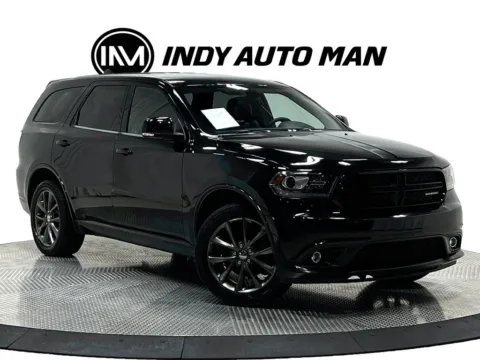
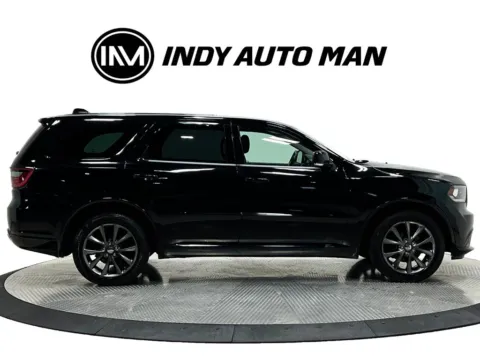
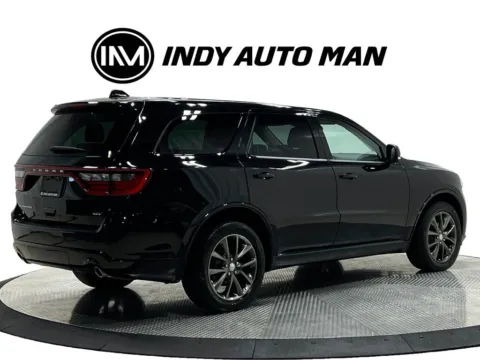
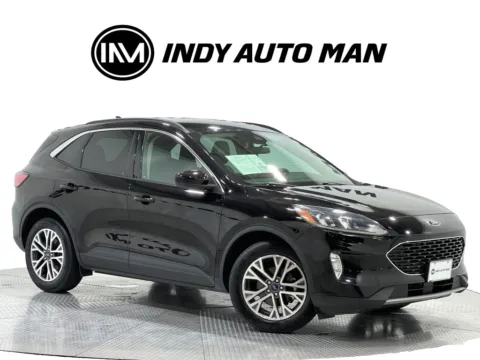
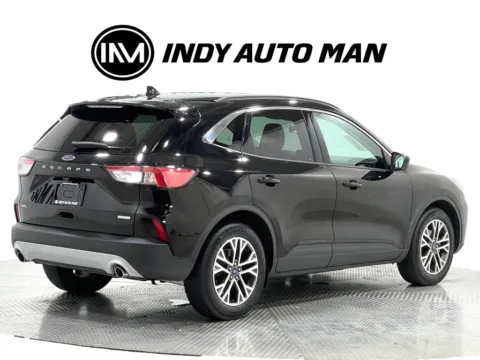
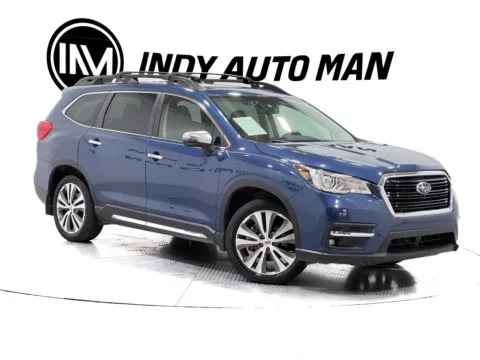
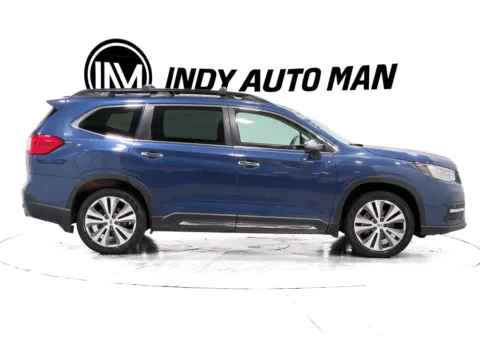
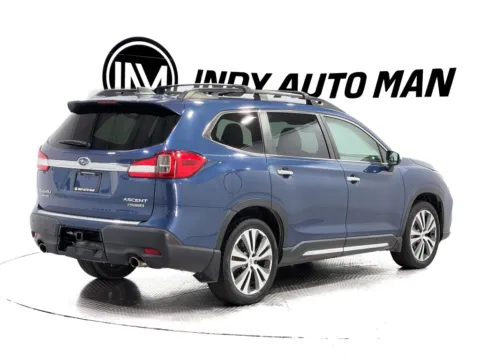
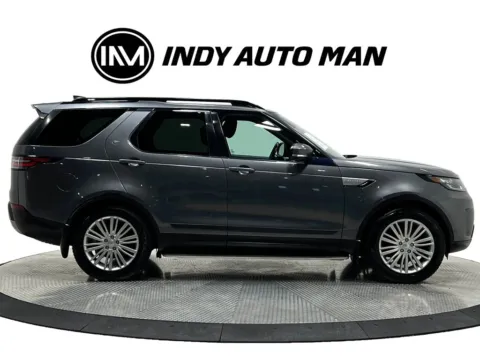
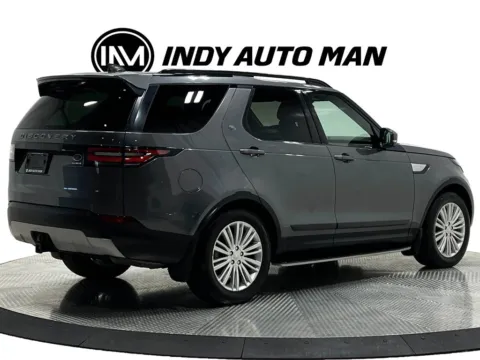
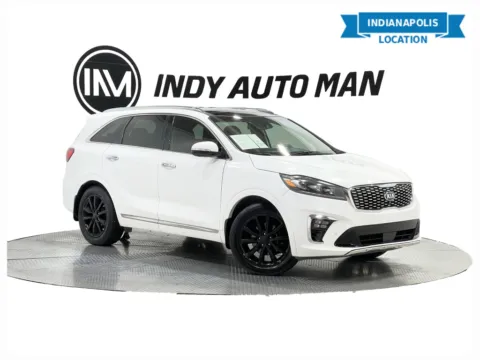
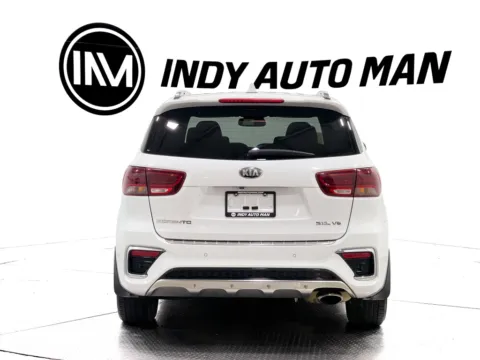
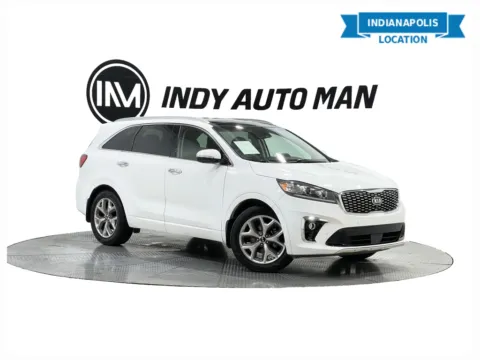
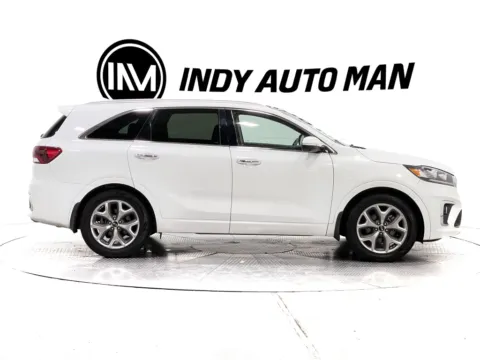
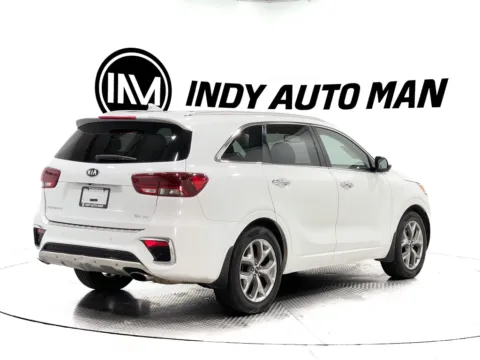
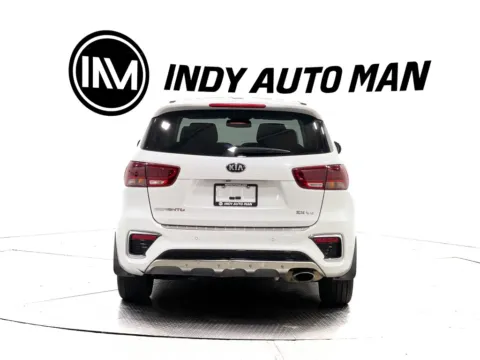
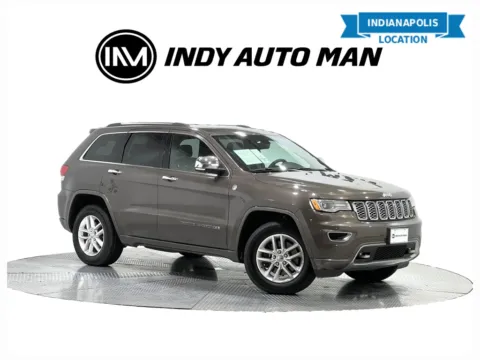
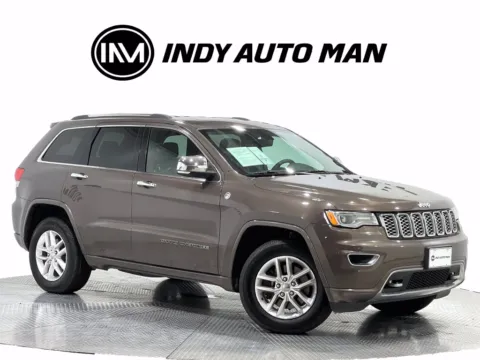
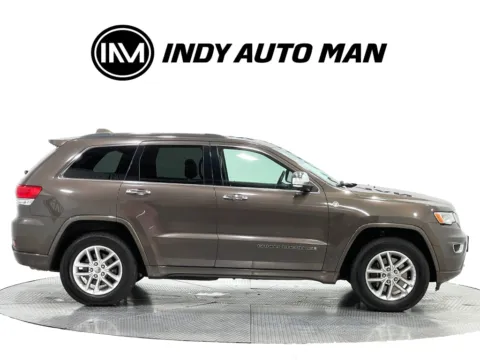
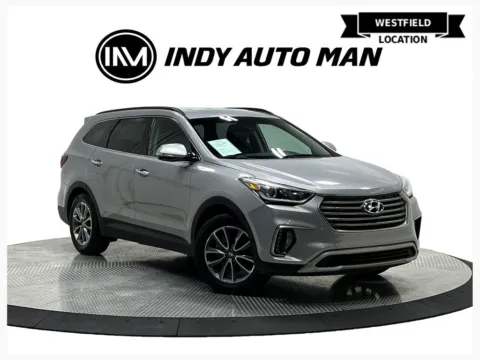
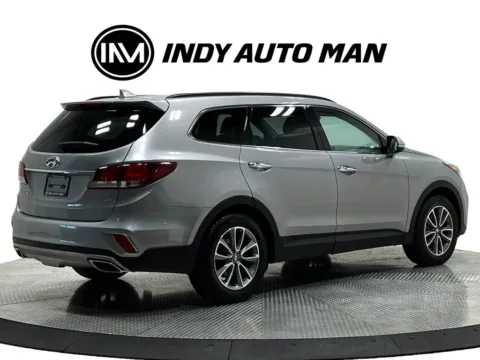
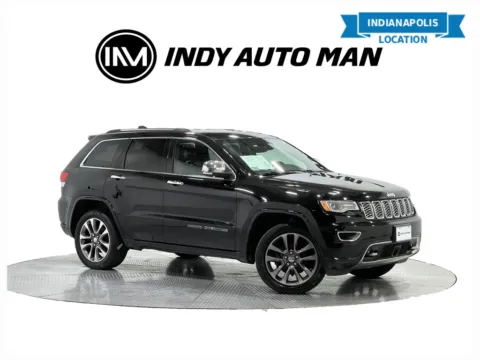
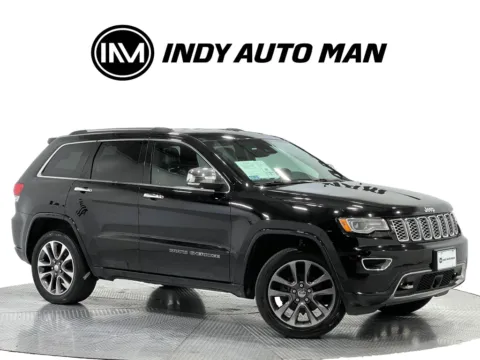
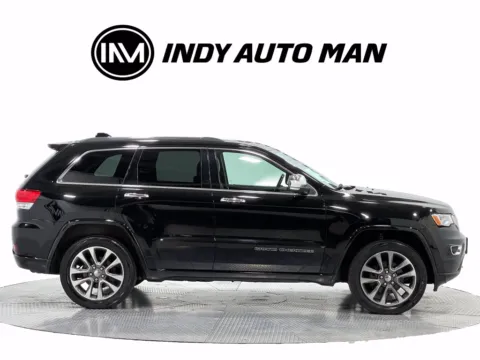
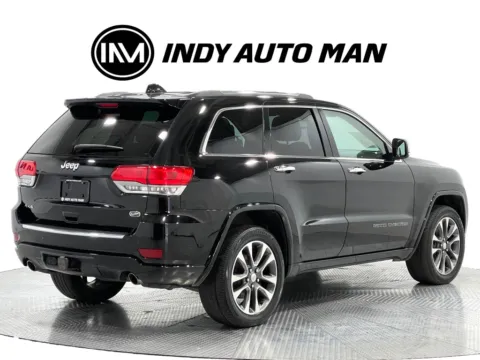
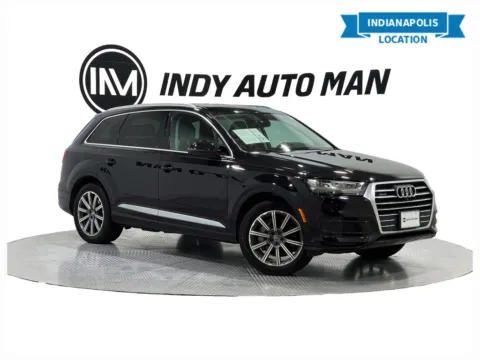
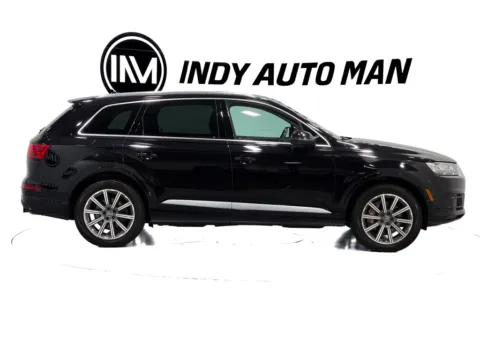
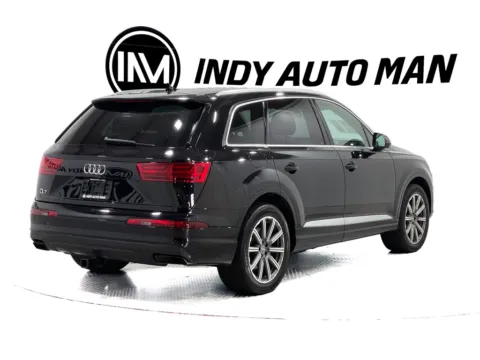
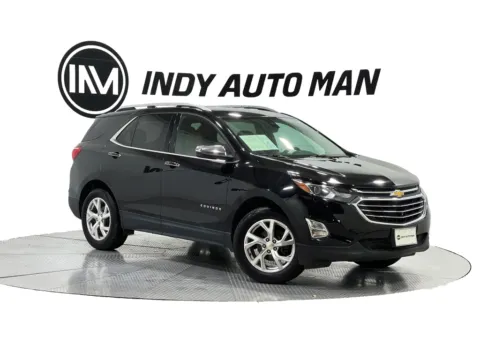
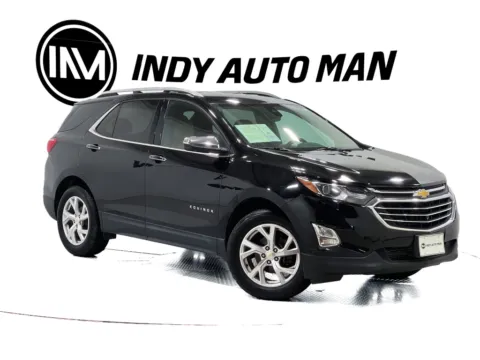
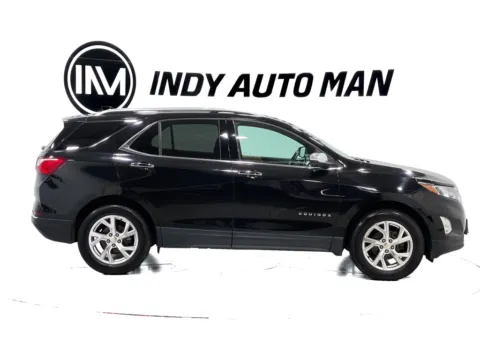
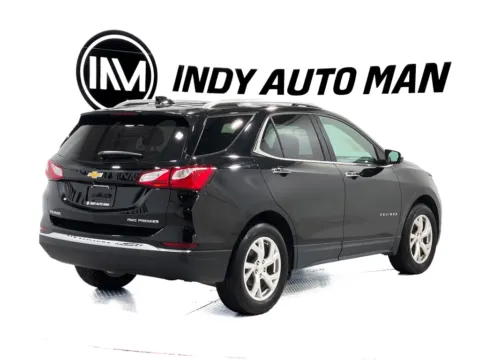
- SUVs fall in the 2 - 2.5 ton range.
- Pickup trucks can weigh 2.25 to even over 3 tons.
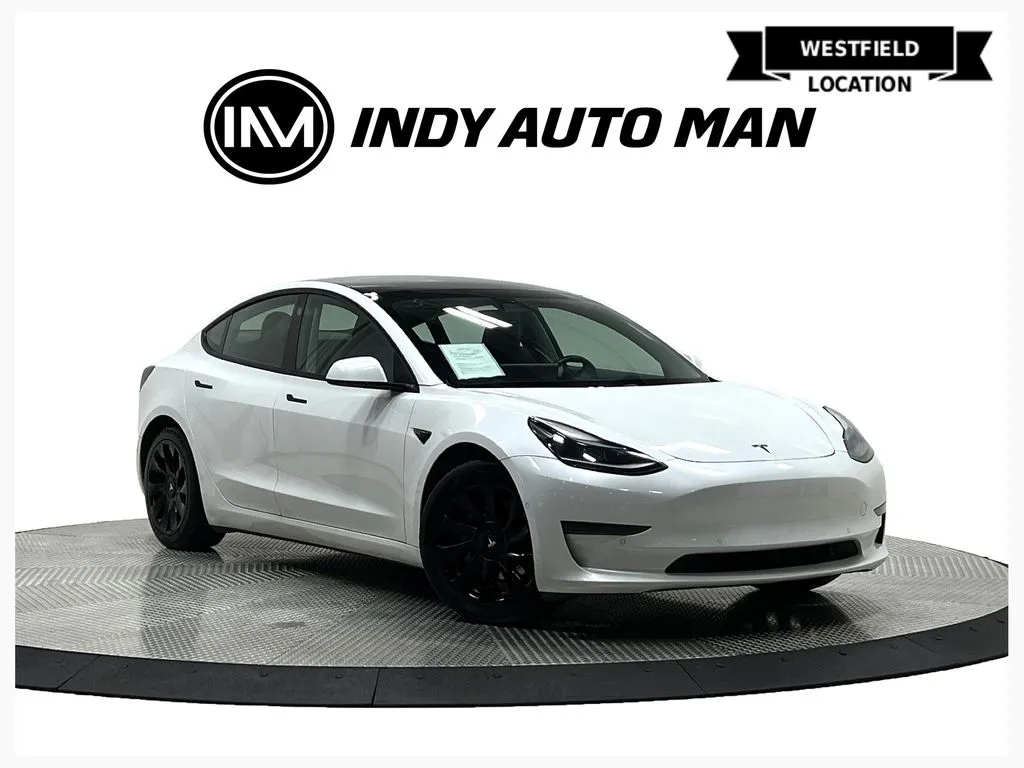
- Electric cars, due to the heavy batteries on board, tend to be heavier, typically between 1.75 and 2.5 tons.
Knowing these numbers helps you anticipate how the car will feel to drive, how much gas it will burn, and whether you’ll need a heavier-duty driveway or garage space.
Weight vs. size: What about volume?
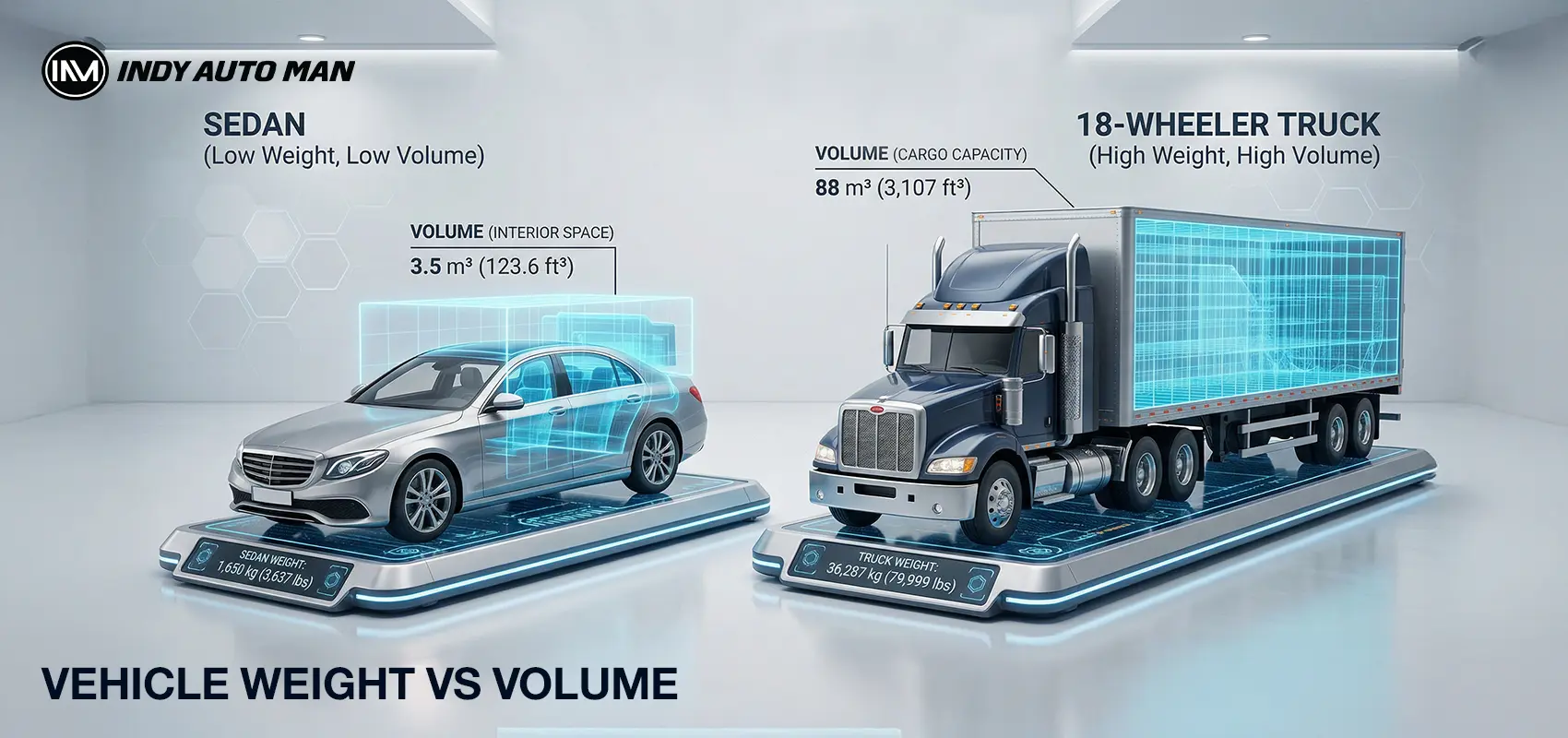
When people say “How many tons is a car?” they usually mean weight, but a car’s volume, or how much space it occupies, is a completely different story.
Passenger cars are much lighter and smaller than commercial trucks that haul large cargo. For instance, an 18-wheeler may weigh over 30 tons and carry cargo volumes measured in dozens of cubic meters, while your typical sedan weighs around 1.5 tons with passenger and trunk space just a few cubic meters.
Understanding weight versus volume helps when evaluating cars for everyday needs, whether you want low mileage, ample cargo space, or the ability to tow or haul heavy loads.
Why car weight matters for Indiana drivers
Car weight isn’t just a random number. It affects many things that car buyers should care about:
- Safety: Heavier cars generally offer better crash protection because they have more mass to absorb impact and are considered the safest.
- Fuel Economy: Lighter cars usually get better gas mileage, saving you money at the pump.
- Handling: Weight influences braking distance, acceleration, and cornering ability.
- Insurance & Registration: Larger, heavier vehicles can cost more to insure and register.
Knowing your car’s weight gives you a hint at what to expect in daily driving and ownership costs, which is especially helpful if you’re browsing used cars for sale in Indiana, where specs vary widely.
What this means when buying at Indy Auto Man
Most cars you see on the road weigh between 1.25 and 2 tons. That’s a manageable range offering something for everyone - from fuel-friendly commuters to capable workhorses.
- Smaller cars around 1.5 tons are perfect for city driving, tight parking spots, and better fuel savings.
- Larger SUVs or trucks give you more space and power but come with higher fuel and maintenance costs.
Whatever you’re after, the Indy Auto Man pre-owned car dealer offers a range of reliable and cost-savvy vehicles, from nimble sedans to full-size trucks, with detailed specs to help you pick the right weight class and size for your lifestyle.