What to Check: Inspection Before Buying a Used Car in Indiana
Table of Contents
- Checking fluids: brake fluid, oil, and antifreeze
- Inspect the engine compartment: belts, hoses, and leaks
- Inspect the underbody and suspension: check for rust and leaks
- Check brakes and tires before buying
- Test drive: how to tell if a used car is in good condition
- Pre-purchased car inspection: how to check documents and VIN
- Checklist: What to look for when buying a used car in Indiana
- Buy used cars at Indy Auto Man, with all necessary pre-purchase inspections done
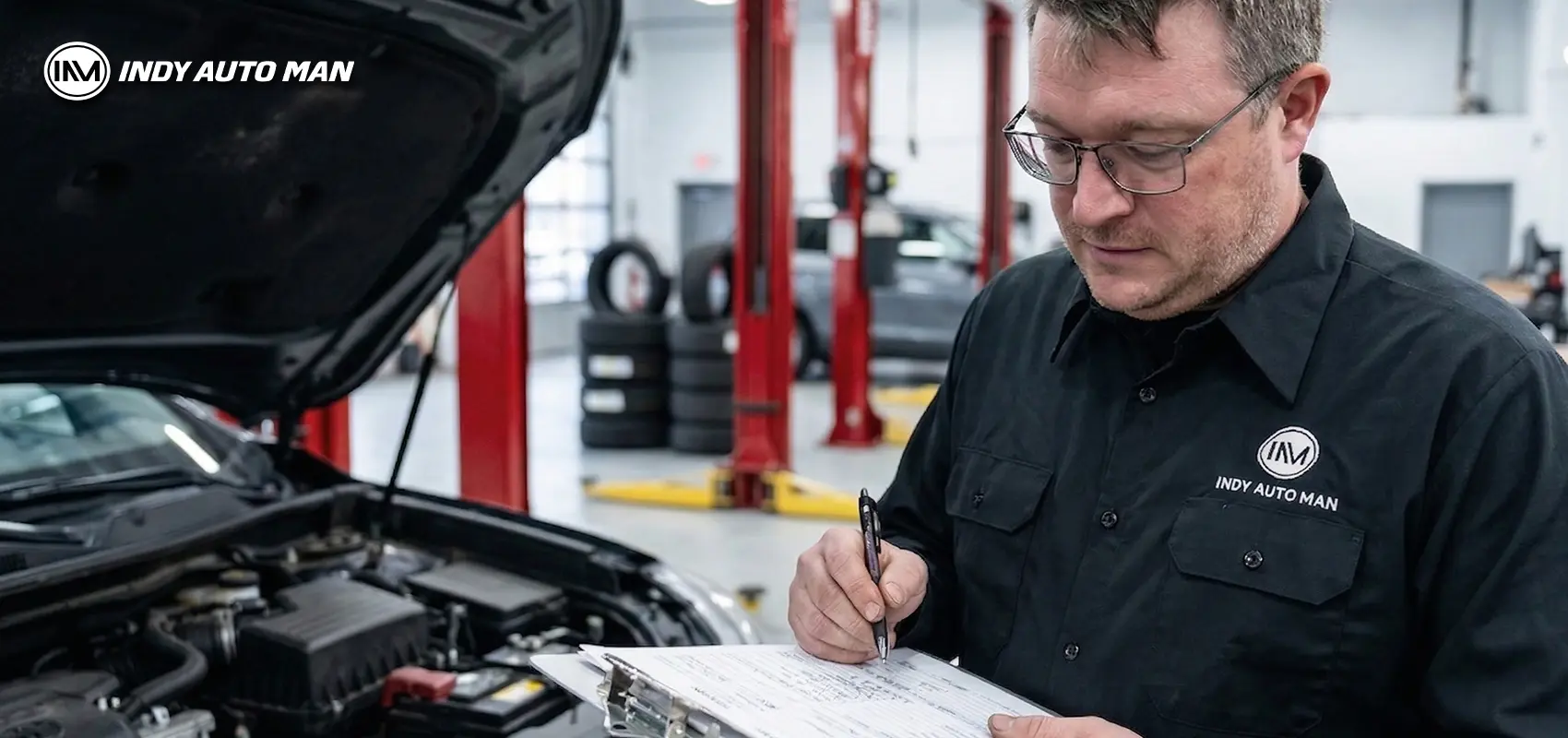
Buying a used car can be both exciting and nerve-wracking. You want a dependable vehicle that won’t drain your wallet on unexpected repairs.
This checklist for the inspection of used cars in Indiana for sale, prepared by our technicians, will help you spot hidden issues and understand what truly separates a well-maintained car from one worn out by miles and time.
Checking fluids: brake fluid, oil, and antifreeze
Oil, antifreeze, and brake fluid are the lifeblood of your car. Look under the hood and inspect the fluid levels and condition. The level should be between the "min" and "max" marks found on all reservoirs, and the fluids should appear clean.
If the brake fluid is dark, it likely hasn't been changed in years. If the oil is blacker than night and the level is below the minimum mark, the previous owner probably skimped on maintenance. And if the car has power steering, check that fluid as well - clean fluids are the hallmark of a caring owner.
Inspect the engine compartment: belts, hoses, and leaks
While the hood is open, inspect the belts, hoses, and filters. Cracks, leaks, and an old air filter are clear signs that the car hasn’t seen a mechanic in a while. Look around the engine: traces of oil or rust can reveal a lot. The accessory belt (poly V-belt), located near the engine, should be free of cracks and peeling.
If everything under the hood is spotless, that can also be a red flag if you buy from a private seller - it may indicate the car was thoroughly detailed to conceal problems before inspection.
Inspect the underbody and suspension: check for rust and leaks
The underbody of a car often tells you more than the seller will. Inspect the frame, side members, sills, and suspension components for corrosion, welds, and oil traces. Wet spots indicate possible leaks, and severe rust is a strong reason to walk away from the purchase. Perform this check in a pit or on a lift for safety. Many auto repair shops, including Indy Auto Man, also offer professional inspection services.
Check brakes and tires before buying
Cracks or exposed metal threads mean your tires are finished. As a guide, the minimum tread depth is at least 2/32 inches for summer tires and 5/32 to 6/32 of an inch for winter. Uneven tire wear may indicate issues with wheel alignment or shock absorbers.
Brake pads less than 0.1 in thick or discs with deep grooves should be replaced - small issues like these can quickly turn into major expenses.
Test drive: how to tell if a used car is in good condition
Finally, take a proper test drive - at least 10-12 miles, not just a quick spin around the block. The car should drive smoothly, without vibration, rattling, or the smell of burnt oil.
Pay attention to how it brakes, accelerates, and turns. Listen for unusual sounds - if the car groans, squeaks, or jerks, it’s already in need of repairs or perhaps even retirement.
Pre-purchased car inspection: how to check documents and VIN
Before you make your final decision, check the VIN on the windows and body (usually under the hood and on the driver’s door) against the one listed in the title.
Also, verify the engine number - it should be legible and match the one in the documents exactly. If it doesn’t, your registration will be denied.
Check the car’s history through Carfax or Autocheck to ensure there are no serious accidents, liens, or restrictions. Matching numbers and a clear history are the best evidence that you’re looking at a legitimate, well-kept car.
Checklist: What to look for when buying a used car in Indiana
☐ Verify VIN on dashboard, door jamb, and paperwork all match
☐ Check title status; avoid salvage, rebuilt, or flood titles unless inspected and discounted
☐ Get a vehicle history report (accidents, mileage, total-loss records)
☐ Compare odometer reading with service records and history reports
☐ Confirm there are no outstanding liens or loans on the vehicle
☐ Review maintenance records for regular oil changes and scheduled services
☐ Ask how the car was used (city vs highway, commuting, towing, ride-share)
☐ Inspect body panels for misalignment, uneven gaps, and poor fit
☐ Look for repainting signs: color mismatch, overspray, rough blends
☐ Check for rust on wheel arches, sills, underbody, and suspension parts
☐ Inspect tires for even tread wear, sufficient depth, age, and damage
☐ Check interior wear on seats, steering wheel, pedals, and carpets
☐ Test all electronics: windows, locks, mirrors, lights, infotainment, instruments
☐ Verify A/C and heater work correctly in all modes
☐ Smell for mustiness and check for damp carpets or water stains
☐ With engine cold, listen for knocks, ticks, or rough idle
☐ Check fluids (oil, coolant, transmission, brake) for correct level and condition
☐ Test drive: acceleration, braking, steering feel, noise, and vibrations
☐ Watch for warning lights and abnormal temperature or shifting while driving
☐ Check all exterior lights: headlights (low/high), turn signals, brake, reverse, hazards
☐ Inspect windshield and windows for cracks, chips, or heavy pitting
☐ Test wipers and washers for clear, streak-free wiping
☐ Look under the car for fresh fluid spots after parking
☐ Check exhaust for rust, holes, loud noise, or blue/white smoke
☐ Verify parking brake engages firmly and releases smoothly
☐ Turn steering wheel lock-to-lock to detect clunks or stiffness
☐ Drive over bumps and listen for suspension knocks or rattles
☐ Confirm the car tracks straight on a flat road
☐ Test brakes for pulling, pulsation, or squealing during firm stops
☐ Confirm ABS light comes on at start-up and then goes off
☐ Inspect spare tire, jack, and tools
☐ Open/close all doors, hood, and trunk for smooth latching
☐ Check trunk/cargo area for dampness, rust, or water stains
☐ Verify seat adjustments (manual or power) and any memory functions
☐ Test heated/ventilated seats and heated steering wheel if equipped
☐ Confirm all keys/remotes work (lock/unlock, start, remote start if present)
☐ Ensure owner’s manual and service booklets are present
☐ Note tire brand and whether all four tires match
☐ After test drive, check wheels (carefully) for excessive heat indicating possible issues
Buy used cars at Indy Auto Man, with all necessary pre-purchase inspections done
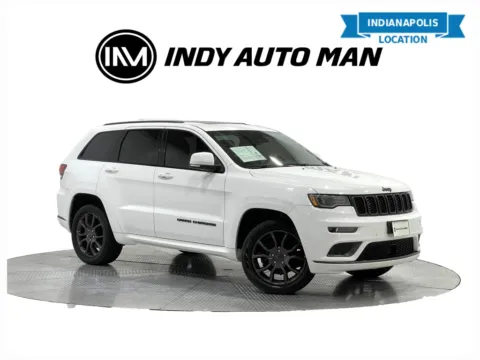
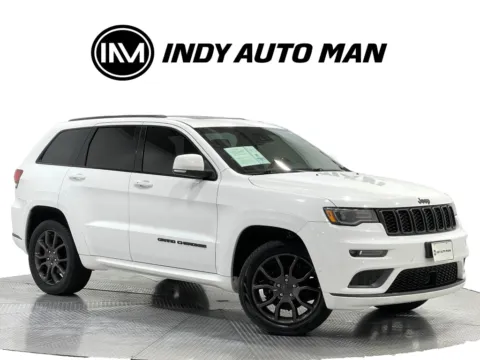
While it’s possible to perform a basic inspection on your own, the best way to buy a reliable used vehicle is to work with a reputable dealership. At Indy Auto Man, every used car undergoes a thorough multi-point inspection, reconditioning, and verification of all documentation, so you can drive away with complete peace of mind.
Browse our current used car inventory today and find a vehicle you can trust for years to come.










$377/mo



$372/mo