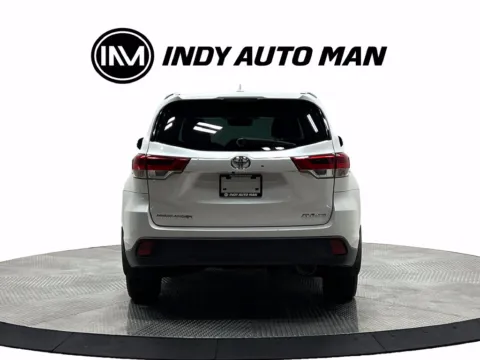
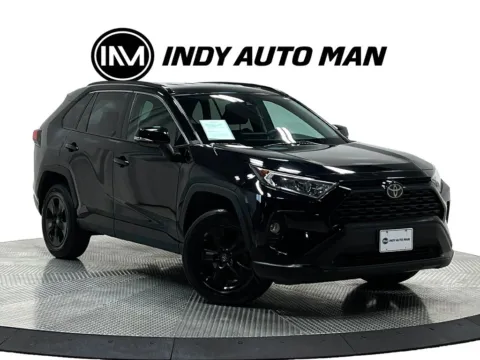
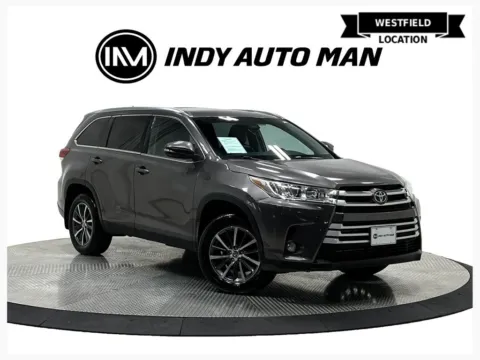
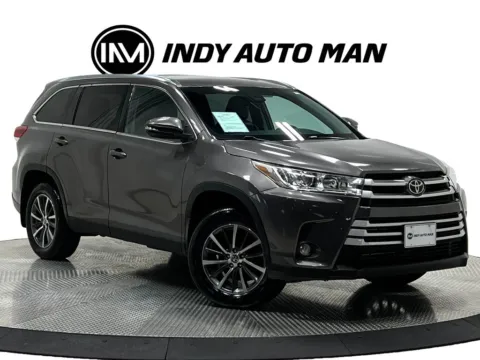
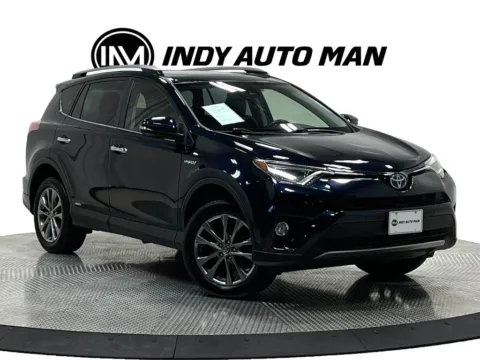
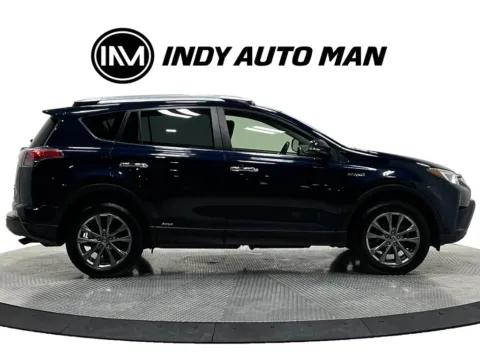
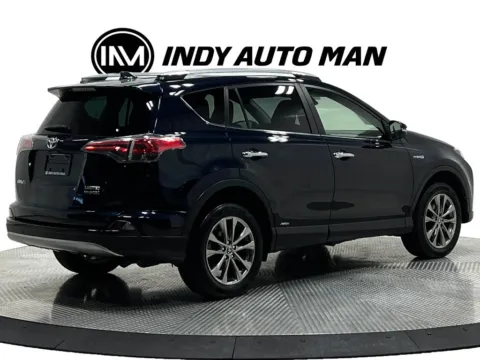
Toyota Highlander: The Evolution of Japanese Reliability in a Family Crossover
Table of Contents
- From dream to reality: The history of the Toyota Highlander
- Technical specifications of the modern Highlander
- What trims are available for the Toyota Highlander?
- Interesting facts about the Toyota Highlander
- Which Toyotas are built in Indiana?
- Highlander on the world stage: Participation in iconic events
- Pros and cons of the Toyota Highlander
- Which Highlander year is best?
- What is the Highlander’s towing capacity?
- Where to service the Toyota Highlander
- Which Toyota Highlander years to avoid in Indiana?
- Is it worth buying a used Toyota Highlander?
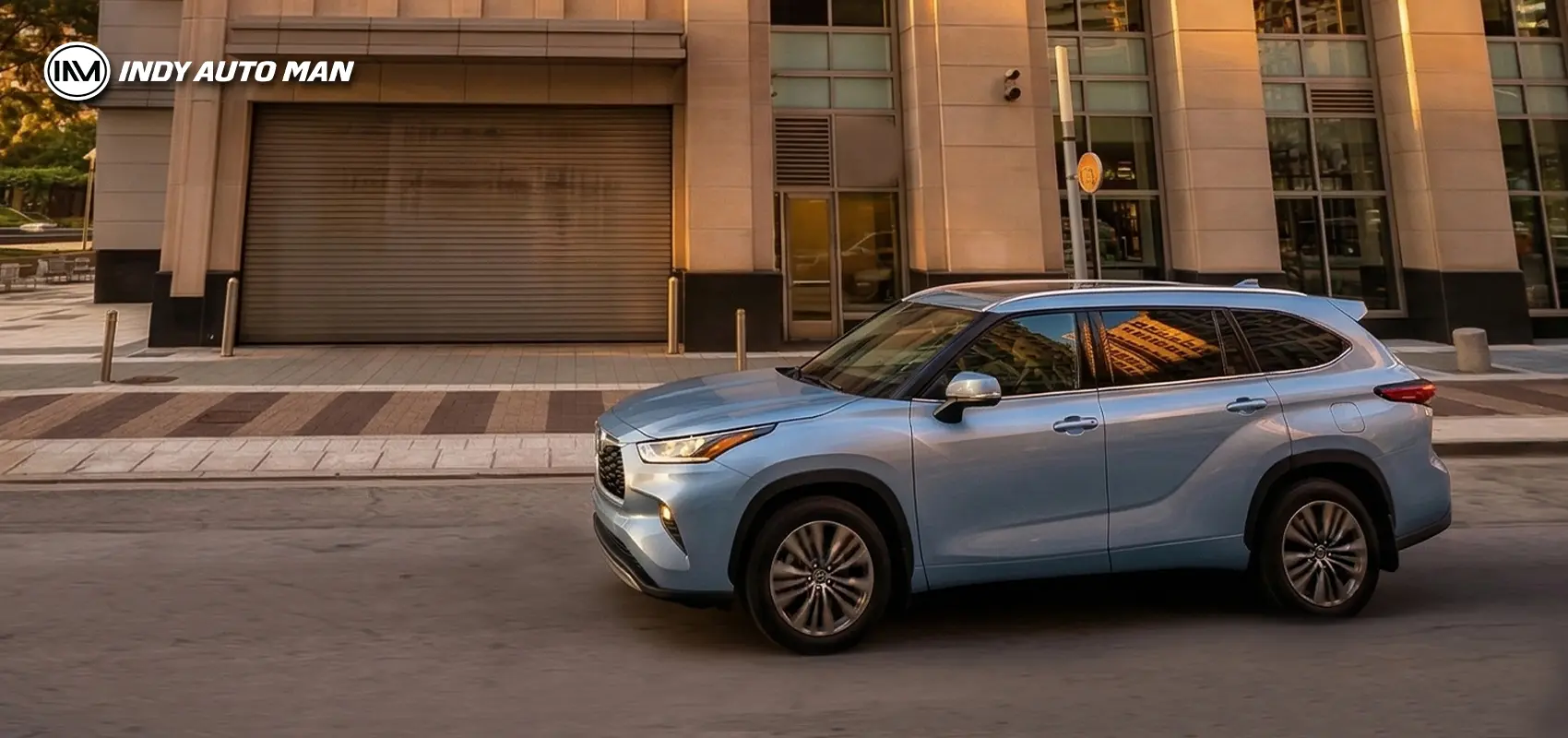
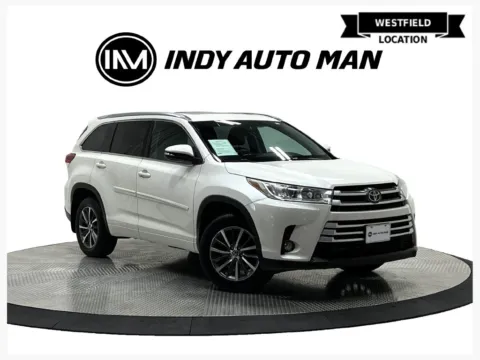
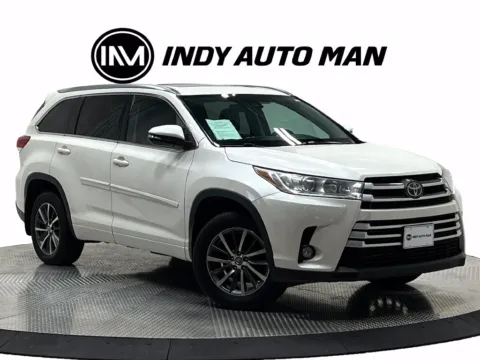
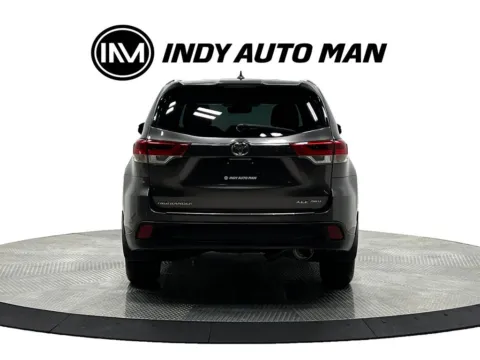
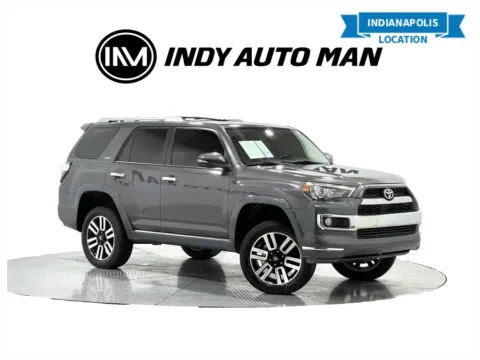
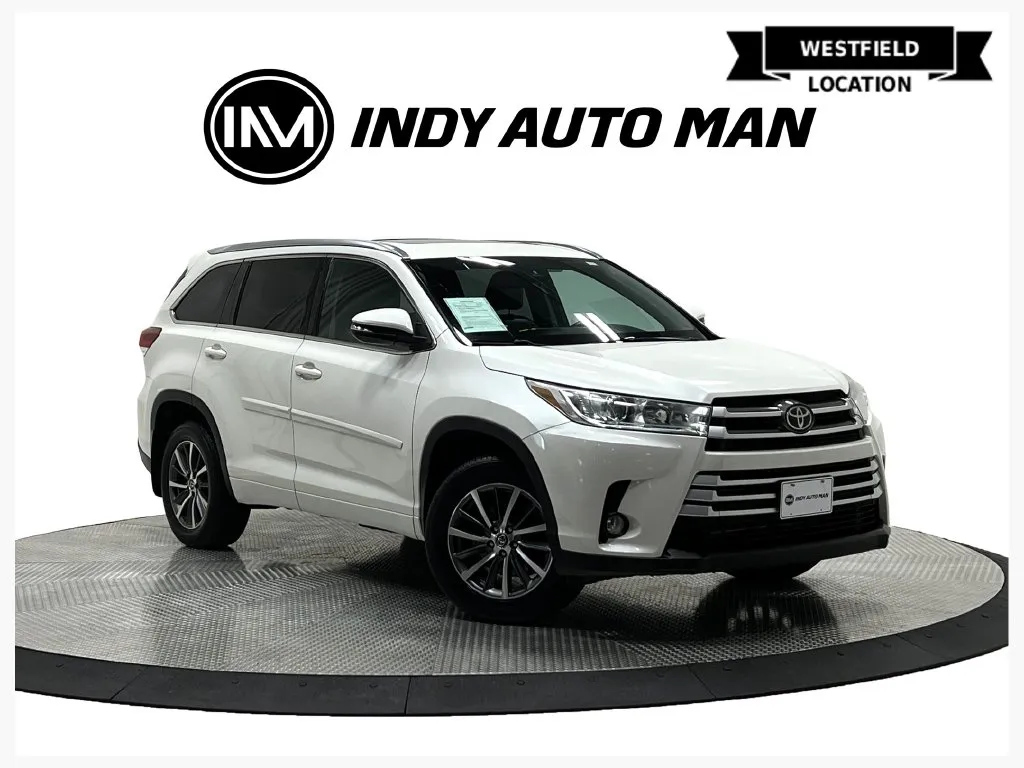
The Toyota Highlander delivers Japanese engineering at its finest - spacious, safe, and built to last. It debuted in 2000 as Toyota's answer to rising demand for comfortable family haulers with extra ground clearance, and today, it ranks among the top SUVs worldwide.
Let the Indy Auto Man dealer’s practitioners guide your journey of discovering why this mid-size crossover dominates the market, from its game-changing origins to modern hybrid power.
From dream to reality: The history of the Toyota Highlander
The Toyota Highlander's development began in the mid-1990s, after Toyota identified a key trend: owners of large SUVs such as the Land Cruiser rarely ventured off paved roads, preferring comfort.
The leading visionary behind the Highlander project was Tatsuya Takemura, who proposed a revolutionary concept at the time: building an SUV on a passenger car platform. This approach would provide the smooth ride and handling of a sedan while maintaining the elevated position and spaciousness of an SUV. The Toyota Camry platform was chosen as the technical basis, which reduced development time and costs.
With the name "Highlander," Toyota marketers emphasized the new vehicle's versatility, capable of driving on both city streets and mountain roads. In Japan and Australia, the model was nicknamed Kluger (from the German "klug," meaning "smart"), underscoring the vehicle's rational approach to development.
Technical specifications of the modern Highlander
| Specification | Details |
|---|---|
| Platform | TNGA-K (high rigidity, sharp handling) |
| Dimensions | 196.9" L × 76" W × 69.1" H, 112.2" wheelbase |
| Cargo Capacity | 16.0 cu ft (3rd row up) / 84.3 cu ft (2nd/3rd folded) |
| Gas Engine (IN Market) | 2.4L turbo I4: 265 hp, 310 lb-ft, 8-speed auto |
| AWD System | Dynamic Torque Vectoring, 100:0 to 50:50 split |
| Hybrid Powertrain | 2.5L + electric motors, 362 hp (2025 Platinum), 34 mpg combined |
| Performance | 0-60 mph: ~8 sec, Top speed: 112 mph (limited) |
| Towing Capacity | 5,000 lbs |
What trims are available for the Toyota Highlander?
The Toyota Highlander is offered in multiple trims: LE, XLE, XSE, Limited, and Platinum. The LE is the base model with essential features, while the XLE adds more comfort and convenience upgrades like second-row captain’s chairs and synthetic leather.
The XSE is sport-tuned and comes standard with all-wheel drive. The Limited and Platinum trims include premium features like ventilated seats, a 12.3-inch touchscreen, JBL audio, and a surround-view camera.
For most used buyers, the XLE trim typically offers the best balance of features, comfort, and price. It adds significant upgrades over the base LE without the premium cost of the Limited or Platinum.
Interesting facts about the Toyota Highlander
- The Highlander pioneered a unified platform for Toyota crossovers, influencing the industry and birthing a whole segment.
- First-gen designers drew cabin inspiration from private jets, aiming for airy functionality and security. Controls clustered on the center console like an aircraft panel. It also brought hybrids to the masses - the second-gen version launched in 2005, well ahead of the green tech boom, showcasing Toyota's forward-thinking engineering and eco-commitment.
- Third-gen testing logged over 30,000 hours across climates, from Alaska snow to Arizona heat. It proved reliable from -40°F to +122°F.
Which Toyotas are built in Indiana?
Toyota's Princeton, Indiana "West Plant" originally built for Tundras, now crafts:
- Toyota Highlander
- Toyota Grand Highlander
- Lexus TX (production started September 2023)
Many Highlanders on Indy Auto Man lots rolled off the line just 3 hours south on I-69. Supporting 11,000+ Hoosier jobs in Indiana state.
Highlander on the world stage: Participation in iconic events
The Toyota Highlander has repeatedly served as the official car of major sporting and cultural events. In 2014, the crossover became the official car of the Winter Olympics, demonstrating its ability to comfortably navigate both city streets and the mountain slopes of the Olympic venues.
In the United States, the Highlander regularly sponsors family festivals and educational programs. Particularly memorable was the "Highlander Adventures" campaign, which saw several families travel through every national park in the United States, documenting their experiences. This initiative highlighted the model's core qualities - reliability, comfort, and versatility.
The Highlander also participated in the "Road to Change" charity expedition in 2018, when a group of volunteers used these vehicles to deliver humanitarian aid to remote areas of East Africa. The crossovers successfully navigated challenging routes with minimal preparation, once again proving their reliability in extreme conditions.
Pros and cons of the Toyota Highlander
Pros:
- Top reliability - consistently aces J.D. Power and Consumer Reports ratings.
- Roomy, practical interior - three rows, tons of cubbies for family road trips.
- Premium comfort - quality materials, solid noise isolation, plush suspension.
- Cutting-edge safety - Toyota Safety Sense 2.5 packs adaptive cruise, collision avoidance, pedestrian detection, and more.
- Strong resale value - holds well on the Indiana used market.
Cons:
- Steep price - even base models aren't cheap.
- Multimedia lags - interface may feel dated.
- Big footprint - tight parking in crowded cities.
- Limited off-road capabilities - AWD helps, but it's paved-road focused.
- Thirsty in stop-and-go traffic, especially if you push it.
Which Highlander year is best?
The best used Toyota Highlanders were produced in 2017-2019 and 2021-2023 model years. These Toyota SUVs have proven to offer long-term value and strong reliability based on both customer reviews and official Carfax statistics.
What is the Highlander’s towing capacity?
The Toyota Highlander has a maximum towing capacity of 5,000 pounds when properly equipped with the factory towing package. This is enough for small boats, pop-up campers, small travel trailers, or utility trailers.
Before towing, make sure your Highlander has:
- The factory towing package (includes upgraded cooling, hitch receiver, and wiring harness)
- Proper tongue weight (10–15% of total trailer weight)
- Tie-downs and safety chains
- A trailer brake controller if the trailer exceeds 1,500 pounds
The hybrid version has a slightly lower towing capacity (typically around 3,500 pounds), so check your specific model’s specs before towing heavy loads.
Where to service the Toyota Highlander
Regular maintenance keeps your Highlander running strong for years weather on the Indianapolis streets or off-road surroundings of Indiana.
Key options include:
- Authorized dealers - they use OEM parts, follow Toyota specs, and log everything to boost resale value.
- Independent shops specializing in Japanese rides offer quality at lower post-warranty costs; seek Toyota-specific diagnostics and techs.
- Specialized networks for targeted fixes like transmissions or AWD.
- Indy Auto Man multibrand service center with expert technicians with years of experience servicing Japanese brands, including Toyota.
Follow the schedule: every 10,000 miles or 12 months. At 10k, swap oil and filters. At 20k, check brakes, suspension, transmission, and adjust valve clearance if needed. Refresh transmission fluid every 40,000 miles.
Which Toyota Highlander years to avoid in Indiana?
Skip these Highlander model years to dodge costly repairs on Indy roads:
- 2003-2005: Transmission failures and engine sludge are major headaches.
- 2008-2010: Excessive oil burning, ABS/brake issues, multiple recalls.
- 2015: Transmission hesitation and shifting delays.
Is it worth buying a used Toyota Highlander?
The Toyota Highlander stands tall in the mid-size crossover class, boasting legendary Japanese build quality, family comfort, and advanced technology. It earns its premium tag with unbeatable reliability, practicality, and efficiency. Smart maintenance with quality parts keeps it humming for the long haul.
If you want to experience Japanese-quality vehicles, visit the Indy Auto Man car lot in Indianapolis or Westfield for a test drive!