Car Seat Ventilation: What It Is And Why You Need It
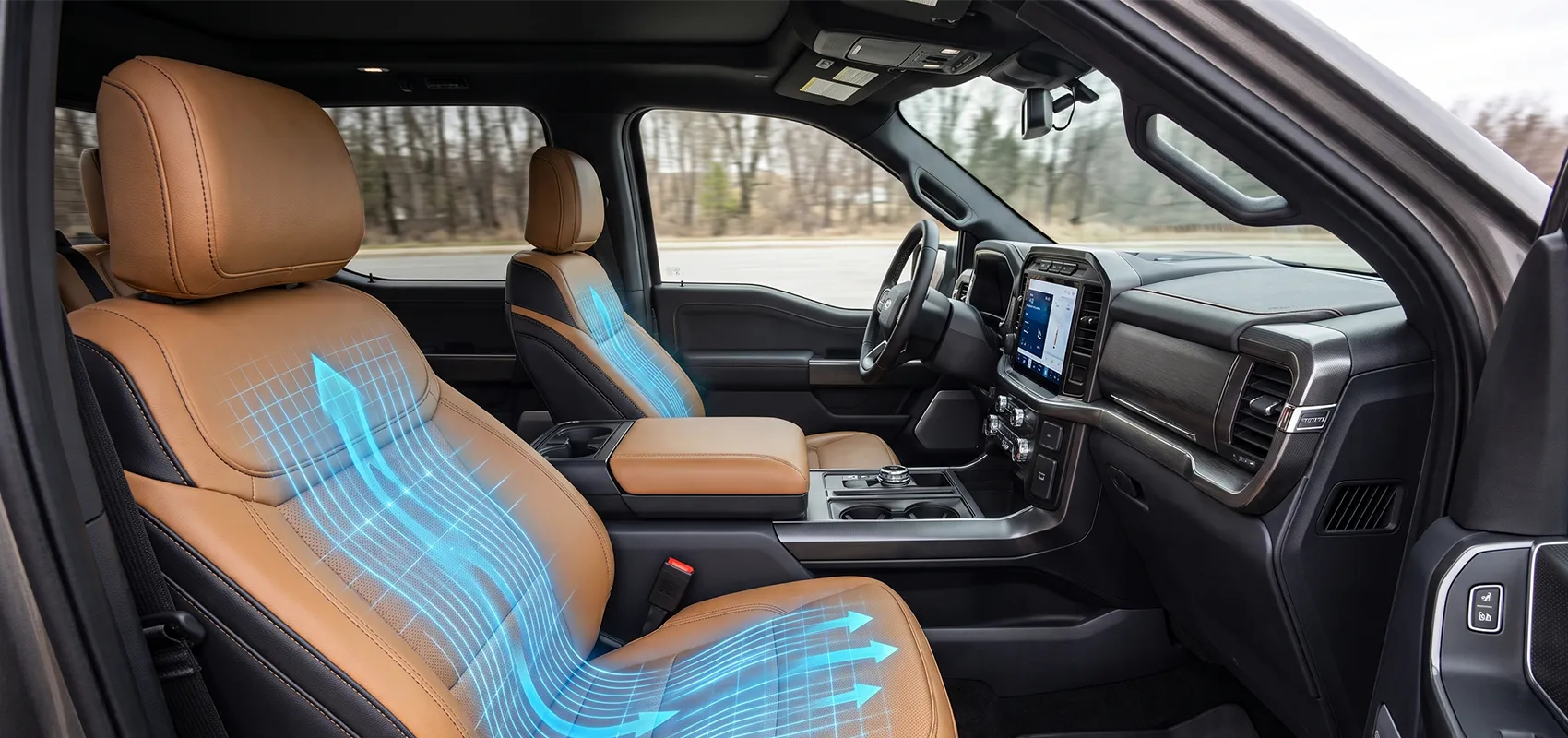
Seat ventilation is a system that directs airflow across the seat surface. Its main purpose is to improve comfort for both the driver and passengers, especially during long trips in hot weather. By reducing heat buildup and moisture, it creates a more pleasant seating experience and minimizes that sticky feeling often associated with warm upholstery.
In this article, we take a closer look at different seat ventilation systems, their benefits, and how practical this feature really is in everyday driving.
What are the benefits of a ventilation system in car seats?
When temperatures rise, the interior of a vehicle can quickly become uncomfortable. Keeping the proper climate in the car is important for the driver’s health, especially for those who spend a lot of time behind the wheel. Seat ventilation addresses this by cooling the seat surface and improving overall cabin comfort.
Modern ventilation kits can offer more than just airflow. Many include additional features such as heating and massage functions. These systems can be installed beneath seat upholstery and, in some cases, adapted for use in office chairs or even home seating. Most kits are relatively straightforward to install and do not require advanced automotive electrical knowledge.
For optimal performance, the seat material should allow air to pass through - fabric or perforated leather works best. This ensures effective airflow and consistent comfort.
Which cars offer cooled seats?

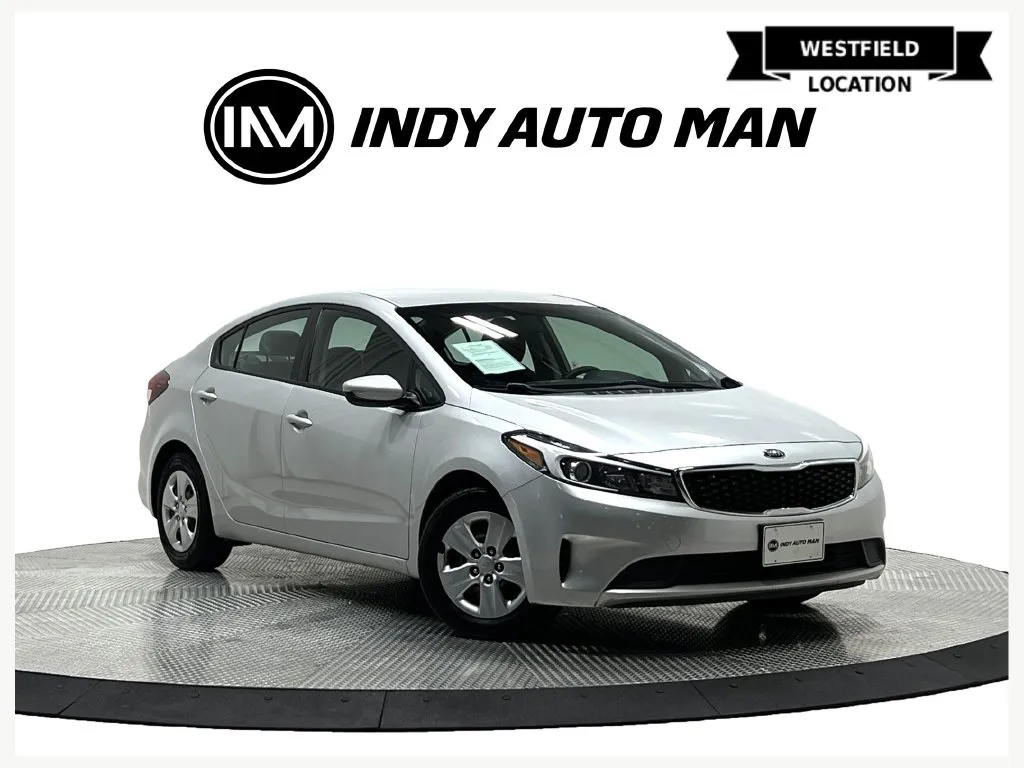
Once a premium feature reserved for high-end luxury vehicles, ventilated or cooled seats are now available across all price points; you can find them today in cars as affordable as the Kia Forte sedan. These seats utilize perforations in the upholstery and circulate air from one or more fans to counteract the insulating effect of the seat against your back, thereby keeping you cool.
Here are the examples of cars with ventilated seats grouped by class:
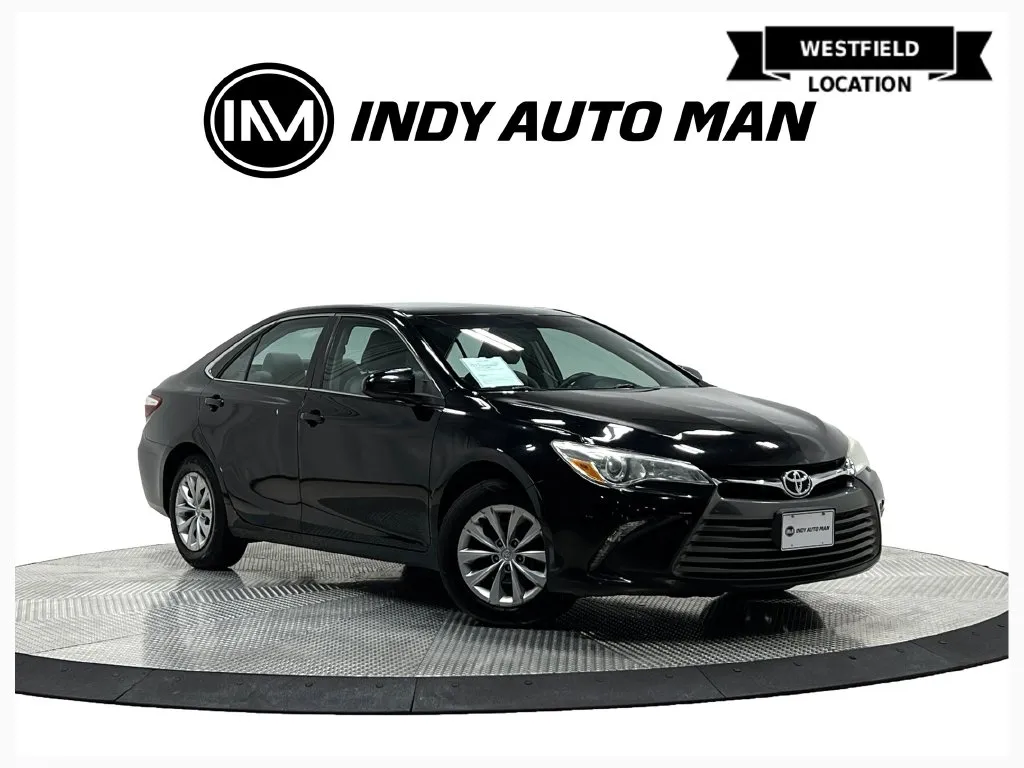
- Kia Forte, Toyota Camry, Honda Accord, Hyundai Sonata
- Ford F-150, Chevrolet Silverado, Ram 1500, GMC Sierra
- BMW 5 Series, Mercedes-Benz E-Class, Audi A6, Lexus ES
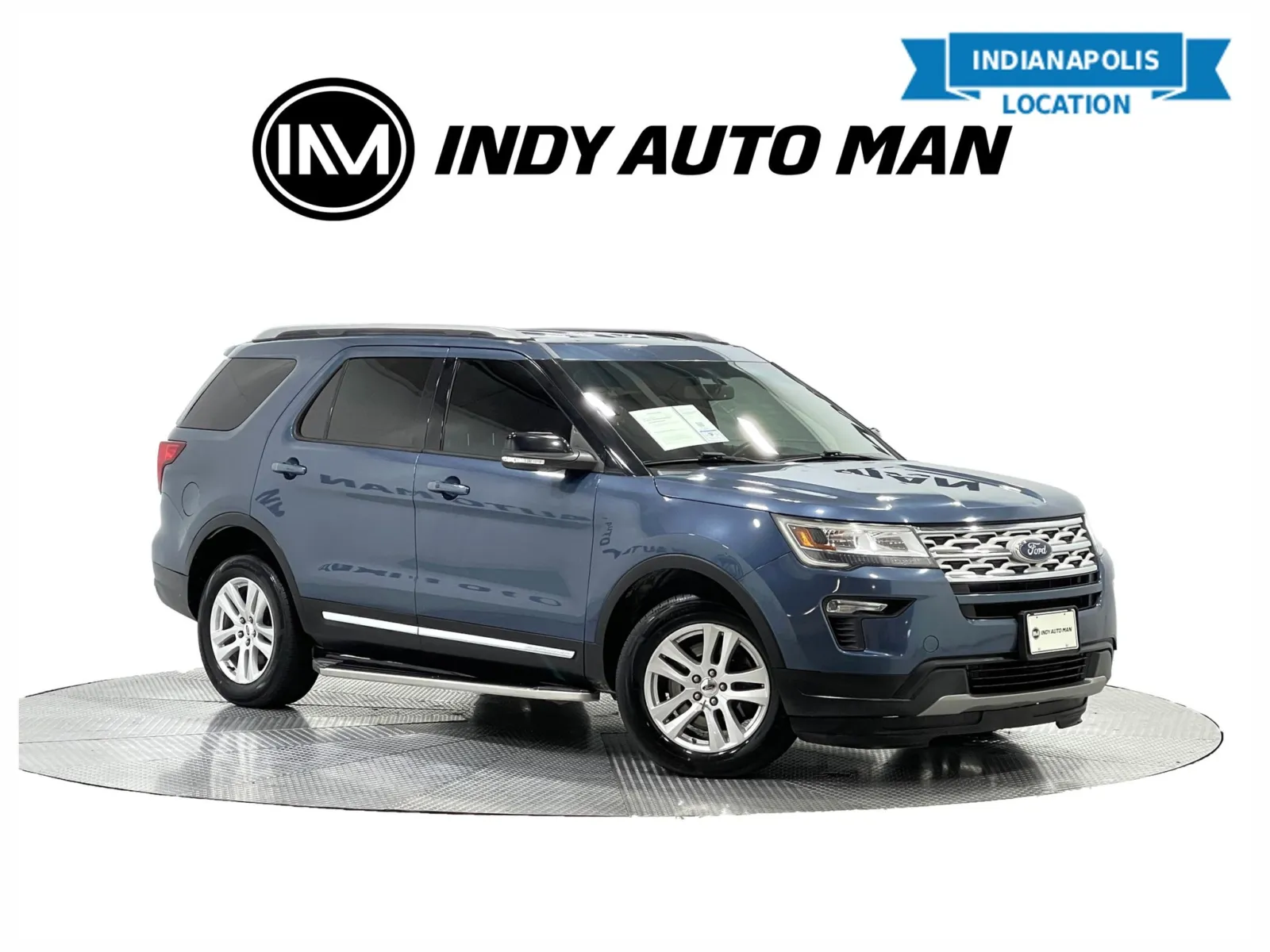
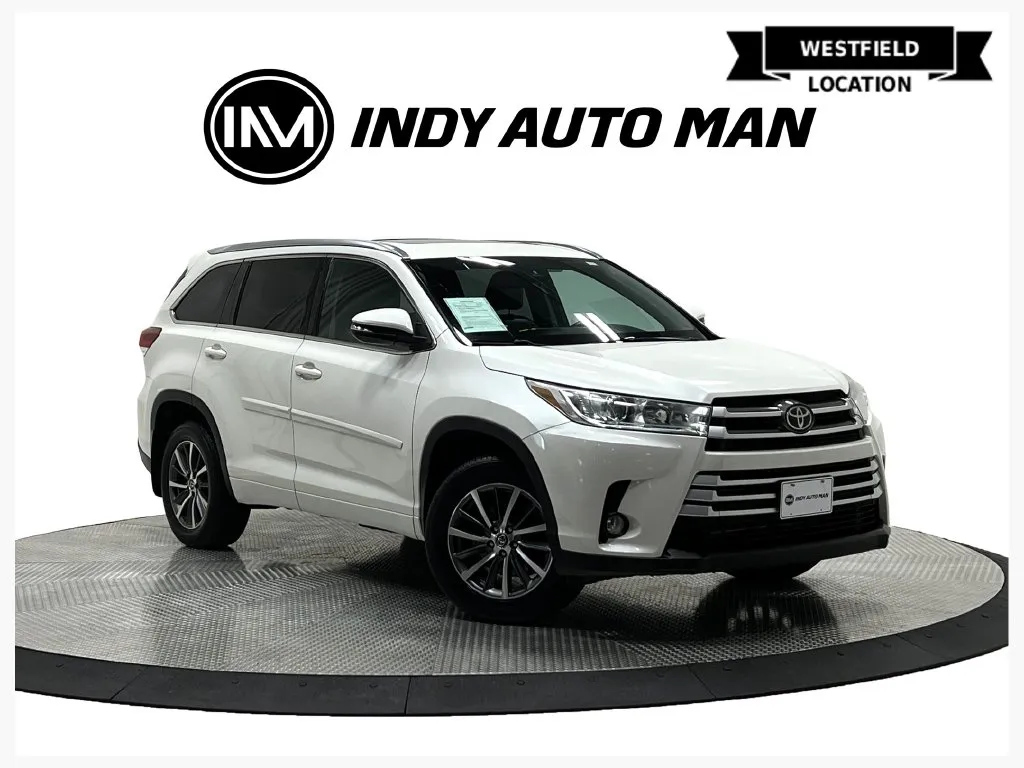
- Jeep Grand Cherokee, Ford Explorer, Toyota Highlander, Subaru Outback
- Cadillac Escalade, Lincoln Navigator, Infiniti QX60, Acura MDX
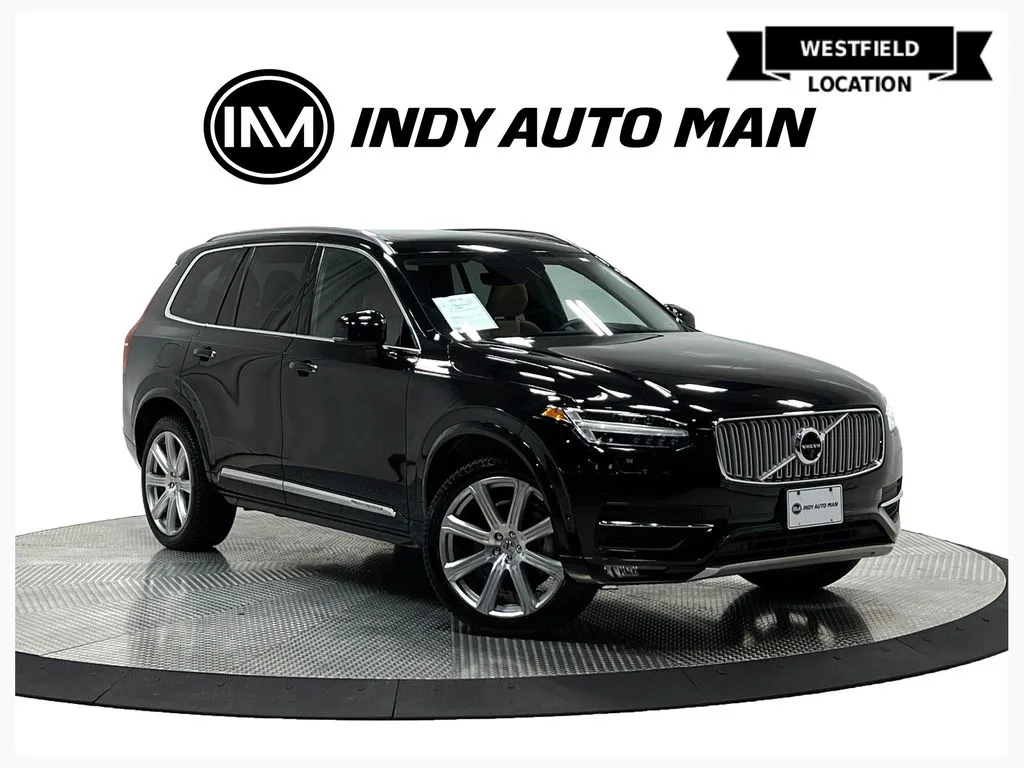
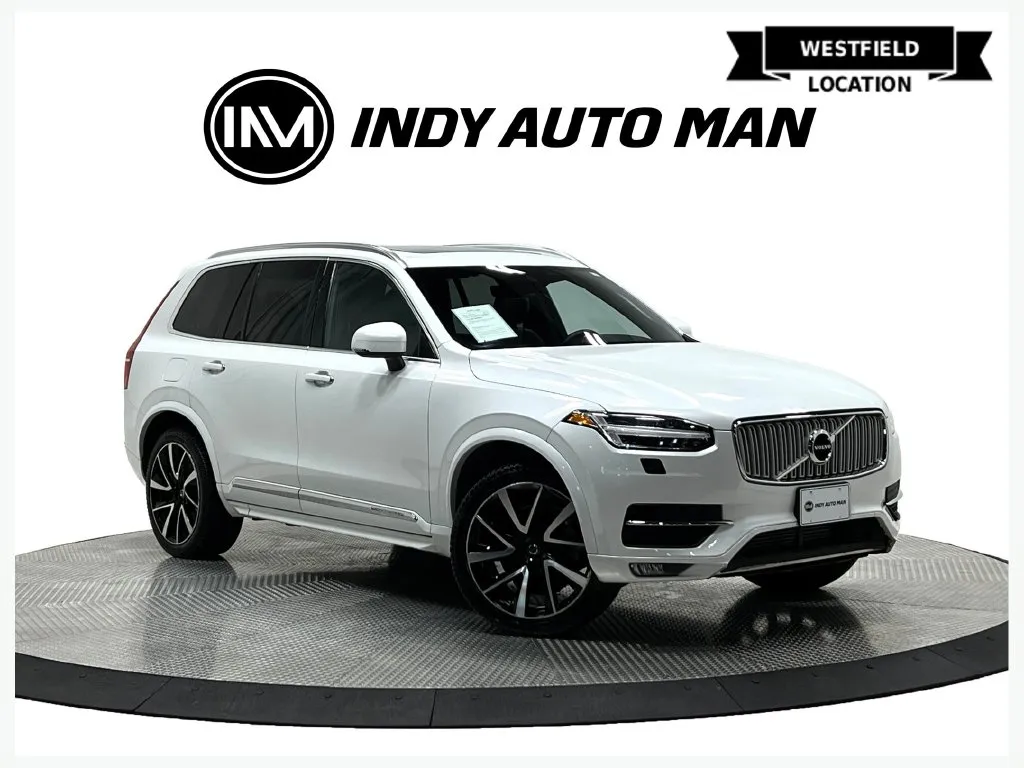
- Porsche Cayenne, Tesla Model X, Volvo XC90, Land Rover Range Rover
Availability varies by trim level, package, or model year, so it is always worth coming for a test drive at our Indianapolis or Westfield car lots to get a glimpse of all the vehicles available with ventilated seats.
What to expect from ventilated seats
Like heated seats, ventilation systems need a minute or two to reach full effect. Once activated, you may hear small fans operating inside the seat. Noise levels and performance depend on the vehicle and system design.
There are two main approaches:
- Fan-based systems that blow air through the seat surface
- Suction-based systems that pull heat and moisture away from the body
Some manufacturers, including Nissan and Lexus, use both approaches depending on the model. In certain vehicles, ventilated seats can even operate alongside heated seats, creating a balanced climate effect.
In modern cars, ventilated seats are not limited to front passengers - many SUVs and premium models extend this feature to rear seating as well.
Do ventilated seats require special care?
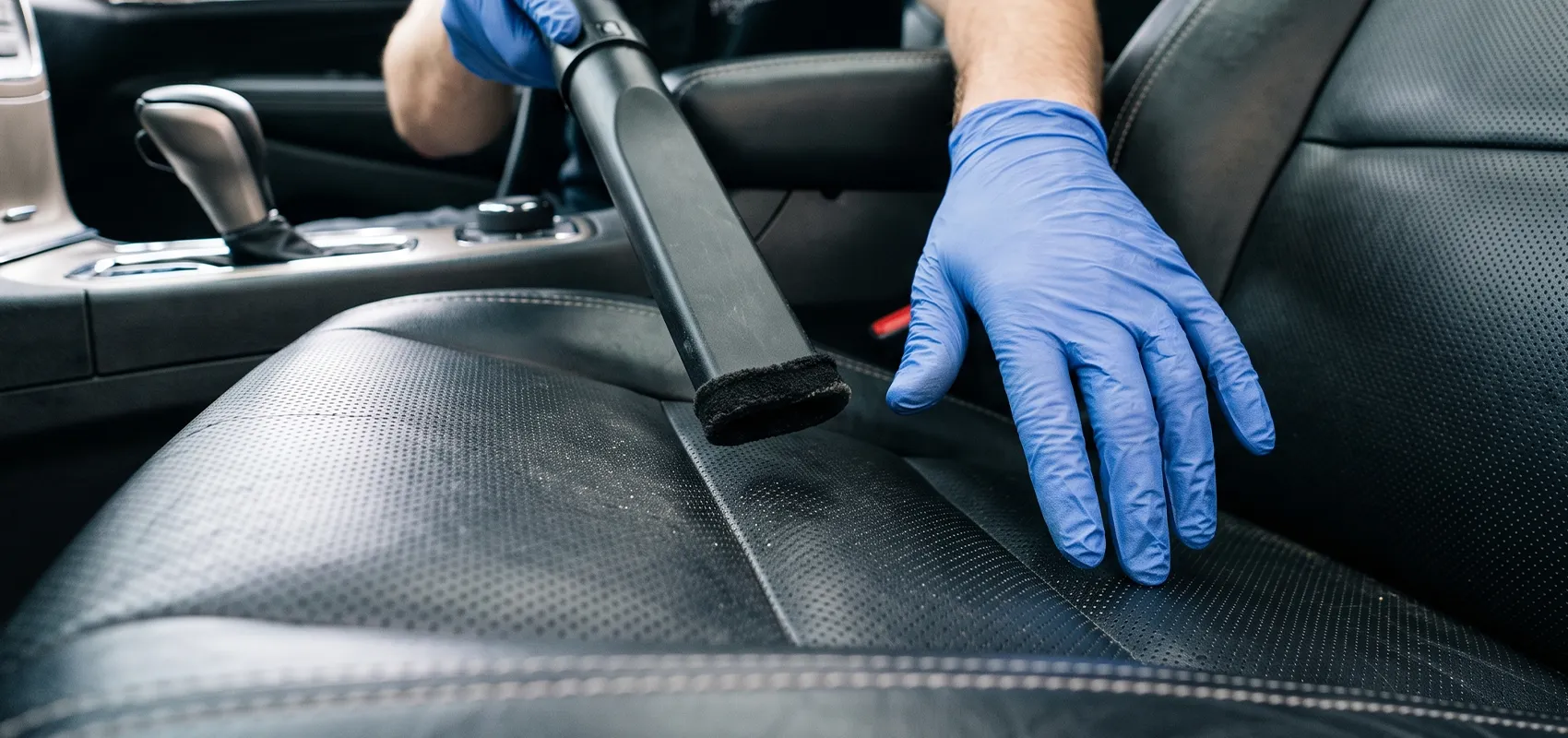
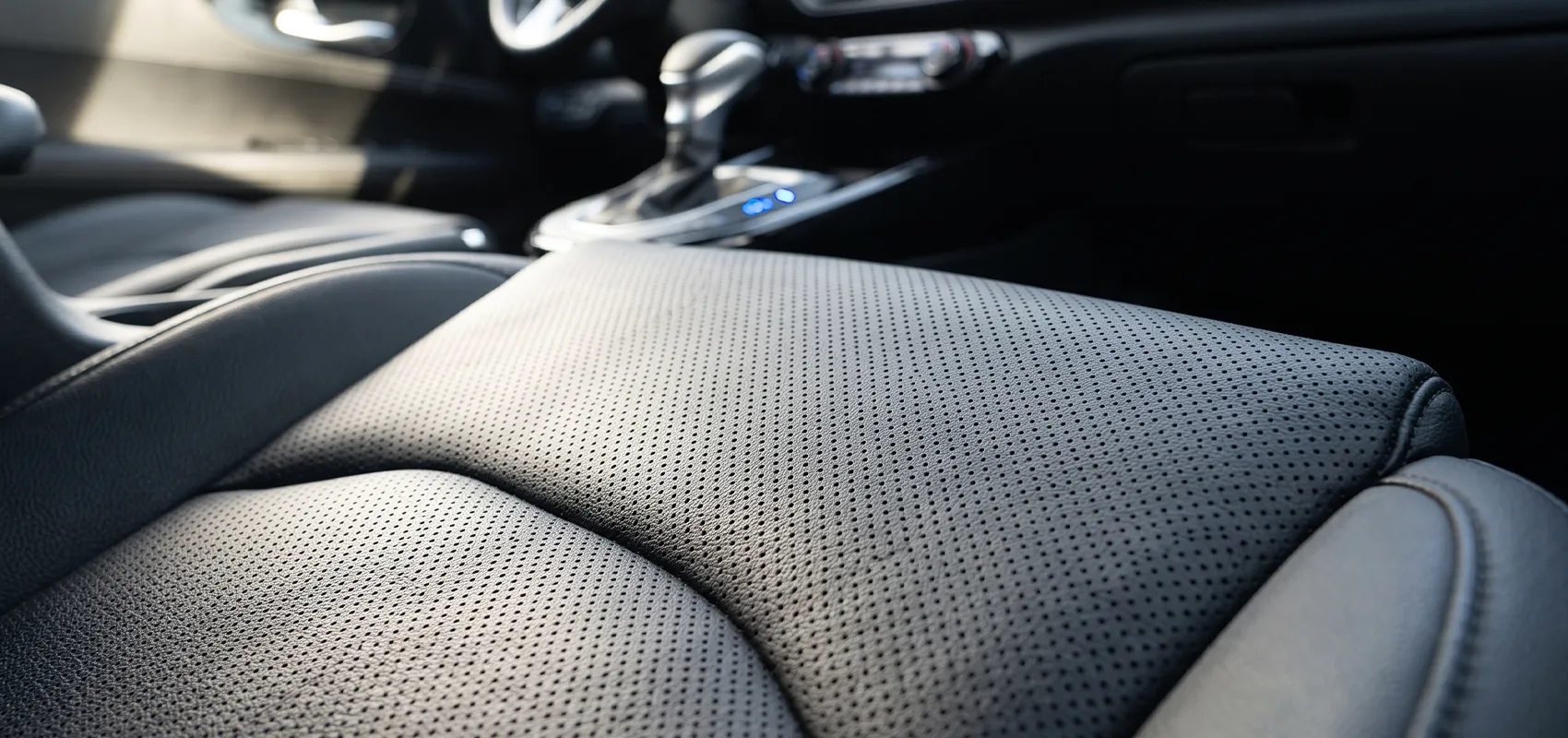
A wide variety of leather types is used in vehicle seating, and even within a single model, multiple upholstery options may be available. However, ventilated seats share one key feature: perforated leather. These tiny holes allow air to circulate through the seat, enabling the ventilation system to function effectively.
Clean perforated leather properly
Because of these perforations, dirt and debris can become trapped inside the seat surface. Simply wiping the leather with a cleaner is often not enough to remove embedded particles. Instead, using a vacuum cleaner is recommended.
Be careful not to press or rub the vacuum nozzle directly against the leather, as this can cause scratches. A better approach is to gently tap the seat with your hand or a soft object to loosen debris, then vacuum it away.
What to do after a spill
If you accidentally spill a drink on a ventilated seat, turn off the ventilation system immediately. Then, blot the area with a dry towel to absorb as much liquid as possible.
Avoid using the ventilation feature again until the seat is completely dry, as running the system too soon may draw moisture deeper into the seat or affect internal components.
Filter maintenance and airflow
Ventilated seats typically use a fan located beneath the seat cushion to circulate air through the perforations. In some vehicles, this system also includes a filter to trap dust and particles.
If you frequently use the ventilation system or neglect interior cleaning, dust can accumulate in the filter or air pathways. This buildup restricts airflow and reduces the system's effectiveness.
In models equipped with filters, periodic replacement may be necessary. For seats without dedicated filters, you can still maintain performance by keeping the air intake area clean. Raising the seat to its highest position often makes this area easier to access.
Cabin temperature matters
Most ventilated seats draw air from inside the cabin rather than actively cooling it. As a result, if the interior is hot, the system will circulate warm air.
To achieve the best results, use seat ventilation together with the vehicle’s air conditioning system. This combination helps deliver a noticeably cooler and more comfortable experience, as recommended in most owner’s manuals.
Some modern vehicles offer integrated systems that automatically manage seat comfort. For example, Hyundai Motor Group’s “Auto Comfort Control” adjusts seat ventilation, seat heating, and even steering wheel heating based on interior and exterior temperatures.
This feature can be thought of as an advanced extension of automatic climate control, designed to maintain optimal comfort without requiring constant manual adjustments.
Test drive cars with ventilated seats in Indiana
Ventilated seats are no longer a luxury reserved for premium brands; they have become a practical comfort feature available in many middle-class vehicles. Whether you are commuting, road-tripping, or simply dealing with hot summer weather, they can make a noticeable difference in driving comfort.
If you are curious how ventilated seats feel in real-world conditions, the best way to decide is to experience them yourself.
Visit Indy Auto Man to explore a wide selection of used vehicles equipped with this feature, take a test drive, and find the model that fits your comfort preferences and budget.