What Is a Manufacturer Buyback? Basics for Indiana Drivers
Table of Contents
- What a buyback really means
- How lemon laws lead to buybacks
- When can an owner actually request the buyback in Indiana?
- What does a buyback usually include in Indiana?
- How to decode the title brand before purchasing a pre-owned auto to see if the vehicle was in any disaster?
- Weighing buyback pros and cons
- Is every buyback a total lemon?
- Can you trust a manufacturer buyback on Indiana roads?
- How do you spot a buyback before buying?
- Tips for smart Indiana shopping
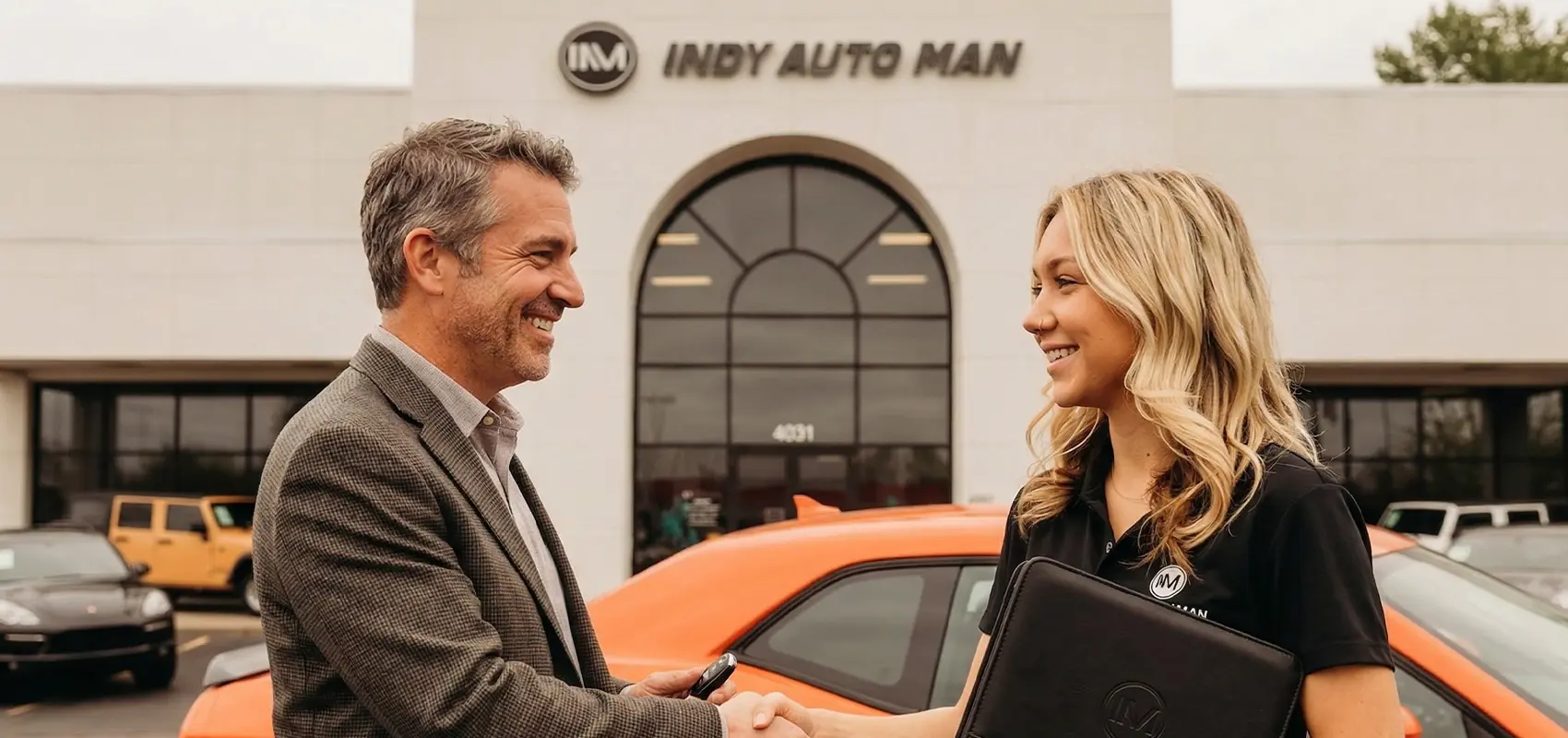
In this post, our advisors from the Indy Auto Man dealership will explain the terms of the manufacturer buyback and the risks related to buying lemon cars with a buyback title.
A manufacturer buyback is a car that the automaker repurchased from its first owner due to a major defect and then fixed up for resale with clear warnings and an appropriate warranty. Such cases often happen under a lemon law.
In Indiana, these vehicles receive a special "Manufacturer Buyback Disclosure on File" stamp on the title, and at least a 12-month/12,000-mile warranty to give buyers some peace of mind.
Today, we explore the pros and cons of manufacturer buybacks to help you decide whether to purchase such a vehicle or not.
What a buyback really means
Imagine buying a new ride, which keeps breaking down despite multiple repairs. That's prime territory for a manufacturer buyback: the automaker steps in, takes the vehicle off the owner's hands through a refund or replacement, and figures out if it's salvageable for resale after repairs. These can come from a full-blown lemon law case or a quieter out-of-court settlement to avoid headaches.
At its heart, it's about a defect that seriously impacts the car's usability, safety, or value. Not every buyback is a total disaster, but it's always got that documented history.
How lemon laws lead to buybacks
State lemon laws, including Indiana's, back up drivers when a new vehicle turns into a money pit of repairs. It applies mainly to new vehicles bought or leased in Indiana and sets specific rules for when a car is considered a lemon.
- The defect has to show up while the vehicle is still covered by the original manufacturer’s warranty, usually in the first months or first thousands of miles.
- The problem must be serious enough that it meaningfully affects how safely or reliably you can use the car, or significantly hurts its value.
- The dealer and manufacturer need a reasonable number of opportunities to fix the issue, or the car must spend a significant amount of time out of service for repairs.
The law calls these problems “nonconformities,” meaning they are covered by the warranty and substantially impair the vehicle’s use, value, or safety, and are not caused by abuse, neglect, or unauthorized modifications. The issue must arise and be reported within the coverage window set by the statute and/or the express warranty.
Typically, if the problem persists after four tries or keeps the car sidelined in the service center for 30 business days, the manufacturer must repurchase or swap it out. Once that happens, the vehicle gets slapped with buyback status and strict resale rules, ensuring no buyer gets blindsided by hidden history.
When can an owner actually request the buyback in Indiana?
Once a car hits one of those legal thresholds, the owner has a statutory basis to request a buyback or replacement. In practical terms, most Indiana drivers should consider sending a buyback request when:
- They are at the fourth unsuccessful repair visit for the same significant defect, with clear repair orders showing the same complaint each time.
- Or their vehicle has accumulated 30 or more business days in the shop for warranty repairs tied to a nonconformity, and the core problem has not been resolved.
Indiana law also expects the owner to give the manufacturer proper written notice if the warranty explains how to do that. That notice gives the manufacturer one more formal chance to fix the vehicle before the law pushes them toward repurchase or replacement.
What does a buyback usually include in Indiana?
If the manufacturer agrees that the vehicle is a lemon under Indiana law and approves a repurchase, the general rule is that the owner receives a refund of what they actually paid, minus a deduction for the miles driven before the problem first appeared. That refund typically covers:
- The full contract price or lease obligations you have already paid, including the value of any trade‑in credit.
- Sales tax, registration, and certain taxes, reasonable finance charges already paid, dealer‑installed options, and towing or rental expenses related to the defect.
The manufacturer then takes back the vehicle and must retitle it with a brand that identifies it as a manufacturer buyback, and any later sale of that vehicle in Indiana must come with a specific written disclosure and at least a 12‑month/12,000‑mile warranty.
How to decode the title brand before purchasing a pre-owned auto to see if the vehicle was in any disaster?
That branded title is your red flag or opportunity, depending on the deal. State rules require the manufacturer to mark it up and retitle it in their name first, just like with salvage or flood-damaged cars.
Pair it with a vehicle history report from Carfax or AutoCheck - they will spotlight buybacks and spill the beans on what went wrong.
Weighing buyback pros and cons
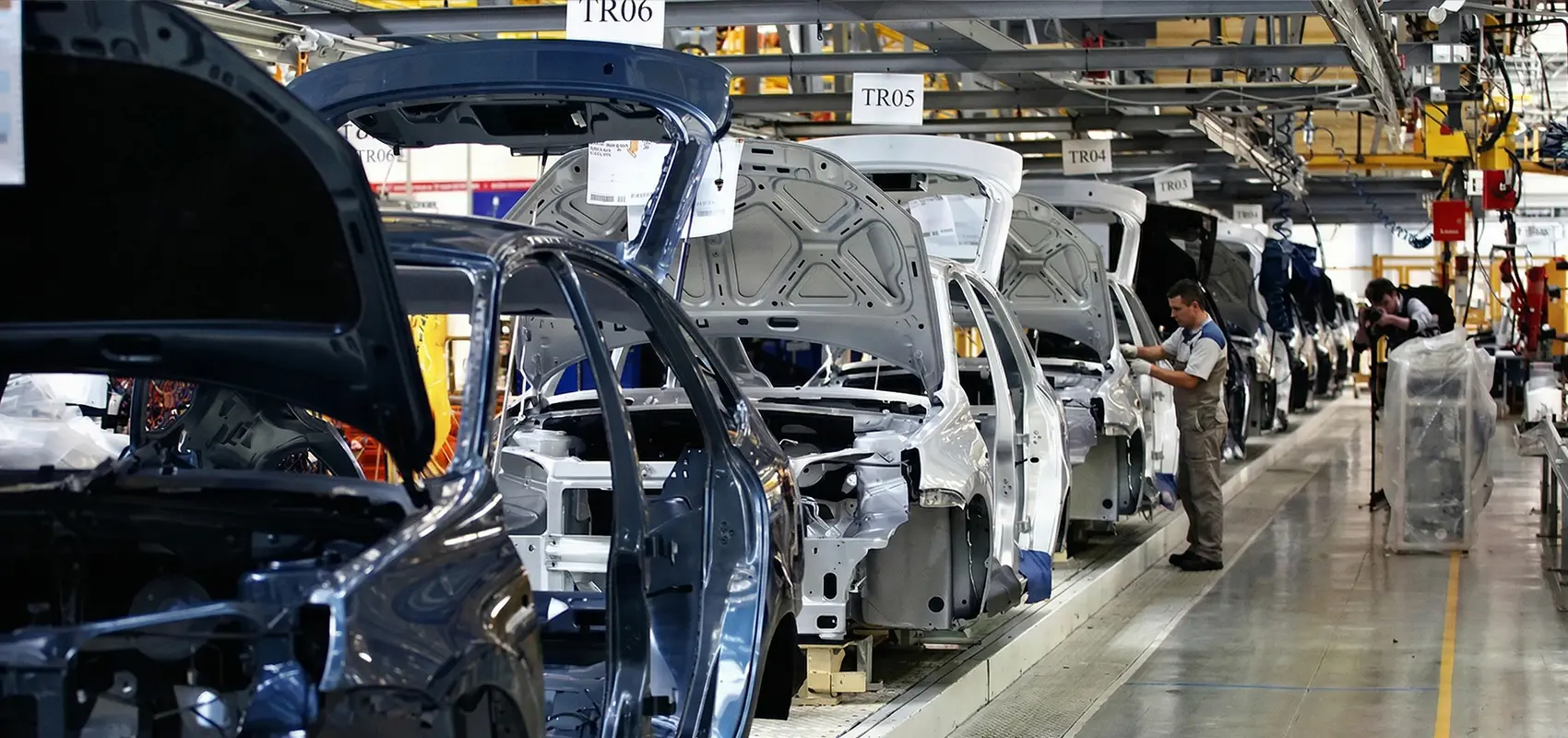
Buybacks often go for thousands less than clean-title equivalents, sweetened by that mandatory one-year warranty and factory-backed repairs. For value hunters, they can be smart picks if the fix is stuck.
However, further resale will take a hit, and there is always a lingering worry that the issue might creep back. Some banks shy away from branded titles, too, so plan ahead if financing is in your future.
Is every buyback a total lemon?
Not at all. Some stem from annoying but fixable quirks, others from bigger safety snags. The disclosure tells the full tale; don't skip it.
Can you trust a manufacturer buyback on Indiana roads?
Plenty of these autos are reliable post-repair, backed by the manufacturer’s warranty. Still, spring for a pre-purchase inspection from your qualified mechanic to check the sore spots.
How do you spot a buyback before buying?
Hunt for the title brand, demand the disclosure, and run history reports. Reputable dealers won't hide it.
Tips for smart Indiana shopping
When you see a manufacturer buyback mark on a vehicle in Indiana, treat it as an invitation to ask more questions, not an automatic dealbreaker. Review the disclosure form, check the title brand, pull a vehicle history report, and have a trusted technician perform a pre‑purchase inspection focused on the systems involved in the original complaint.
Shop with Indy Auto Man with confidence and use this information to compare buyback vehicles with traditional used cars for sale to choose the route that offers the best value, protection, and peace of mind for you in Indiana.