AI in Automotive Industry: What’s New in 2026?
Table of Contents
- Automotive AI is changing the road ahead
- Safety and regulation
- CES 2026: Cars with AI and autonomous capabilities
- Robotaxis from Lucid, Uber, and Waymo
- AI-driven driver-assistance systems at Level 2 and above
- Concept cars featuring multimedia integration, voice assistants, and digital entertainment spaces
- AI in modern cars: Transition to digital lifestyle hubs
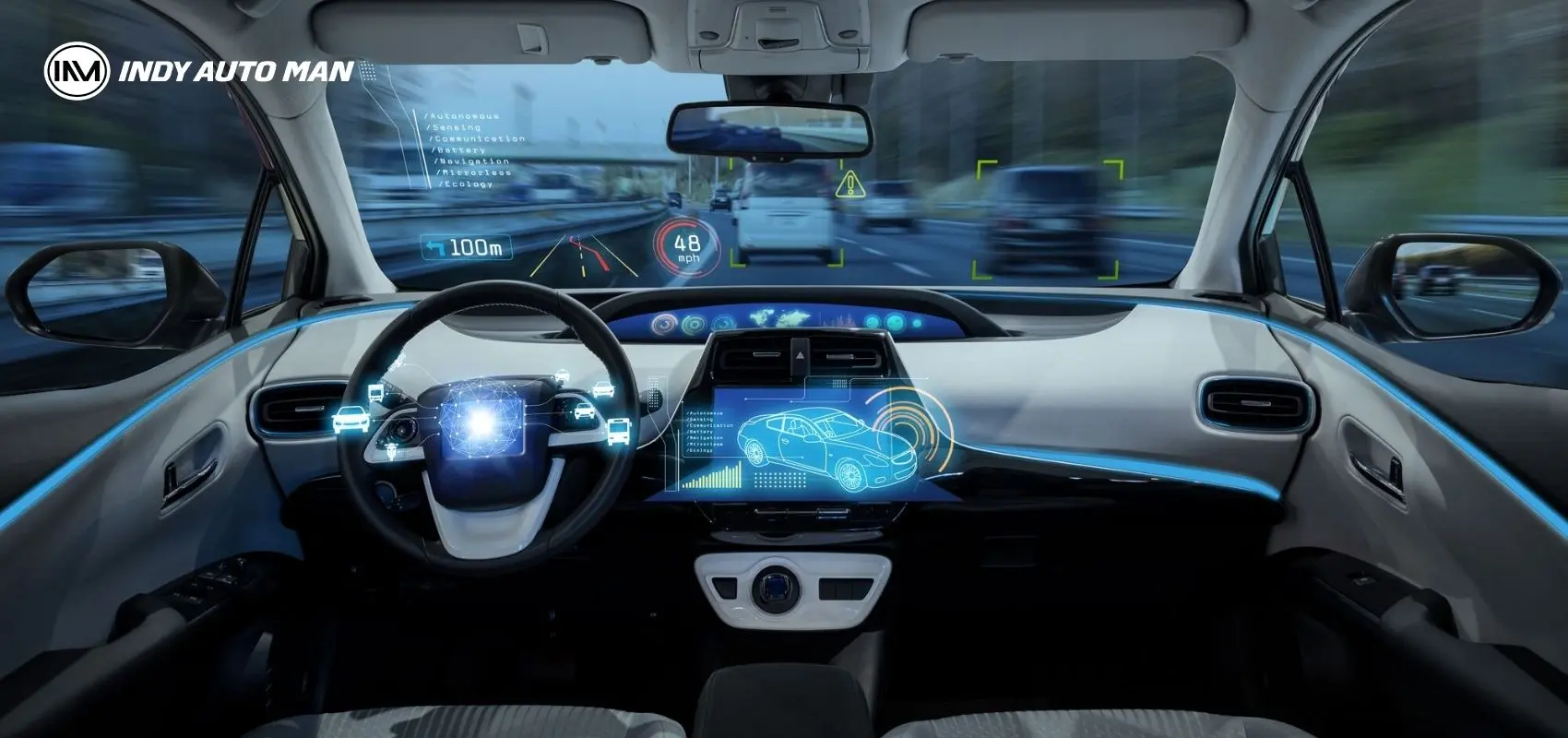
2026 marked the year when the automotive industry definitively shifted its focus from a battle for horsepower to a competition of artificial intelligence features. While just a couple of years ago electric vehicles appeared to be the sole direction of development, today reality dictates a more complex, hybrid, and high-tech scenario, while driverless cars no longer look like futuristic objects.
Auto manufacturers, while expanding their lineups of new models, actively integrate AI assistants, autonomous systems, and EV subsidy programs, while simultaneously adapting to new US regulations for drivers. Below are the most significant trends, forecasts, and specific examples from the automotive world that every driver and car enthusiast should know.
Automotive AI is changing the road ahead
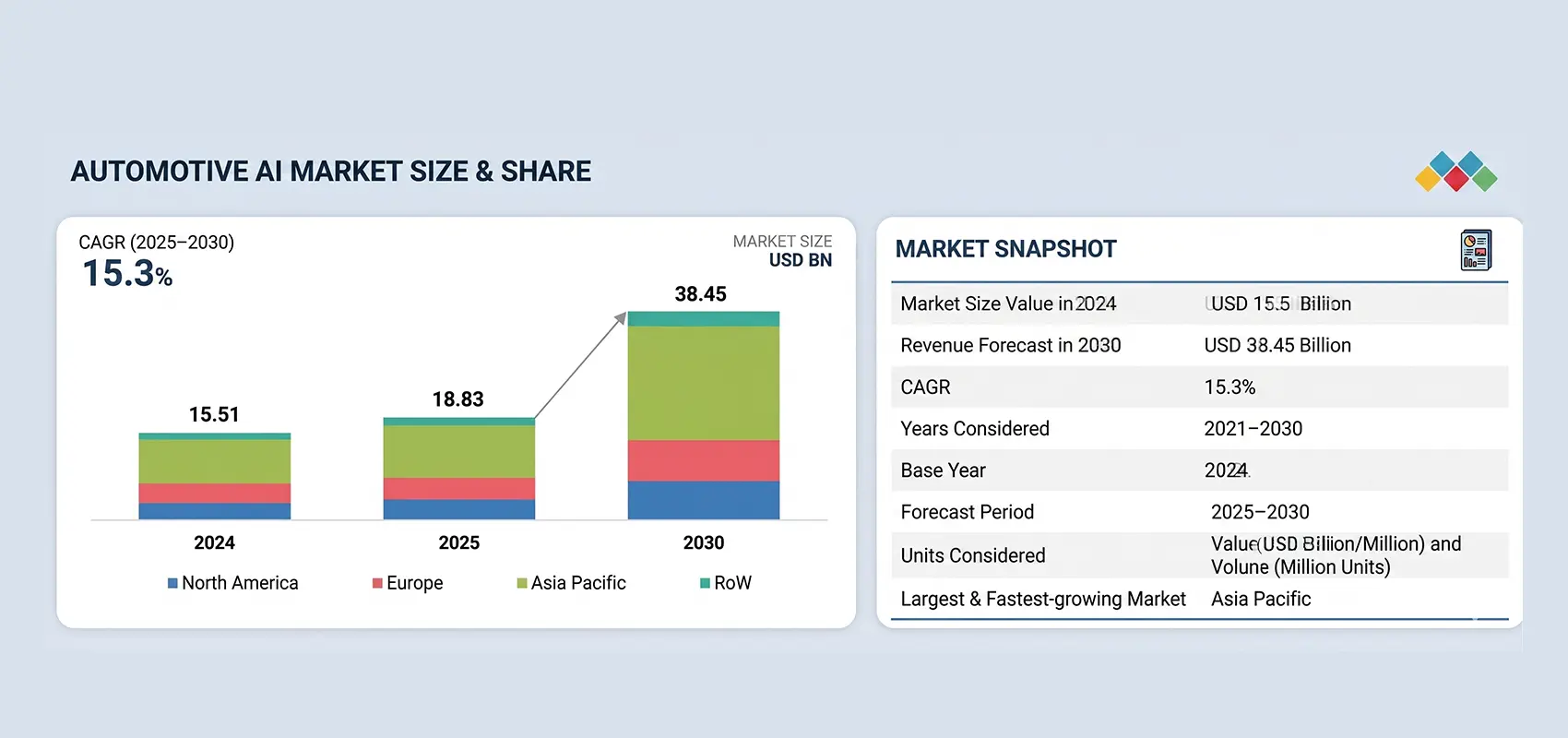
Artificial intelligence is quickly becoming a bigger part of the automotive world, and the trend is expected to keep growing. According to MarketsandMarkets, the global automotive AI market is projected to rise from USD 15.51 billion in 2024 to USD 38.45 billion by 2030, driven by increasing demand for smarter, safer, and more connected vehicles.
AI is already being used in features like advanced driver assistance systems, predictive maintenance, infotainment, telematics, and autonomous driving technologies.
Safety and regulation
Safety and regulation for AI-driven autos in the U.S. remains a patchwork: NHTSA oversees federal vehicle safety, while states control many testing and operation rules, and NHTSA continues monitoring testing through its Standing General Order. The main regulatory themes are Federal Motor Vehicle Safety Standards compliance, minimal-risk behavior when systems fail, and stronger safety evidence for automated driving systems.
The most notable recent Indiana shift is operational rather than statutory: Kodiak AI ran autonomous trucking demonstrations in Indiana and Ohio in 2026, including activity on Interstate 70 and outreach to transportation officials and first responders. That suggests Indiana is becoming part of the Midwest test and discussion corridor for automated freight.
CES 2026: Cars with AI and autonomous capabilities
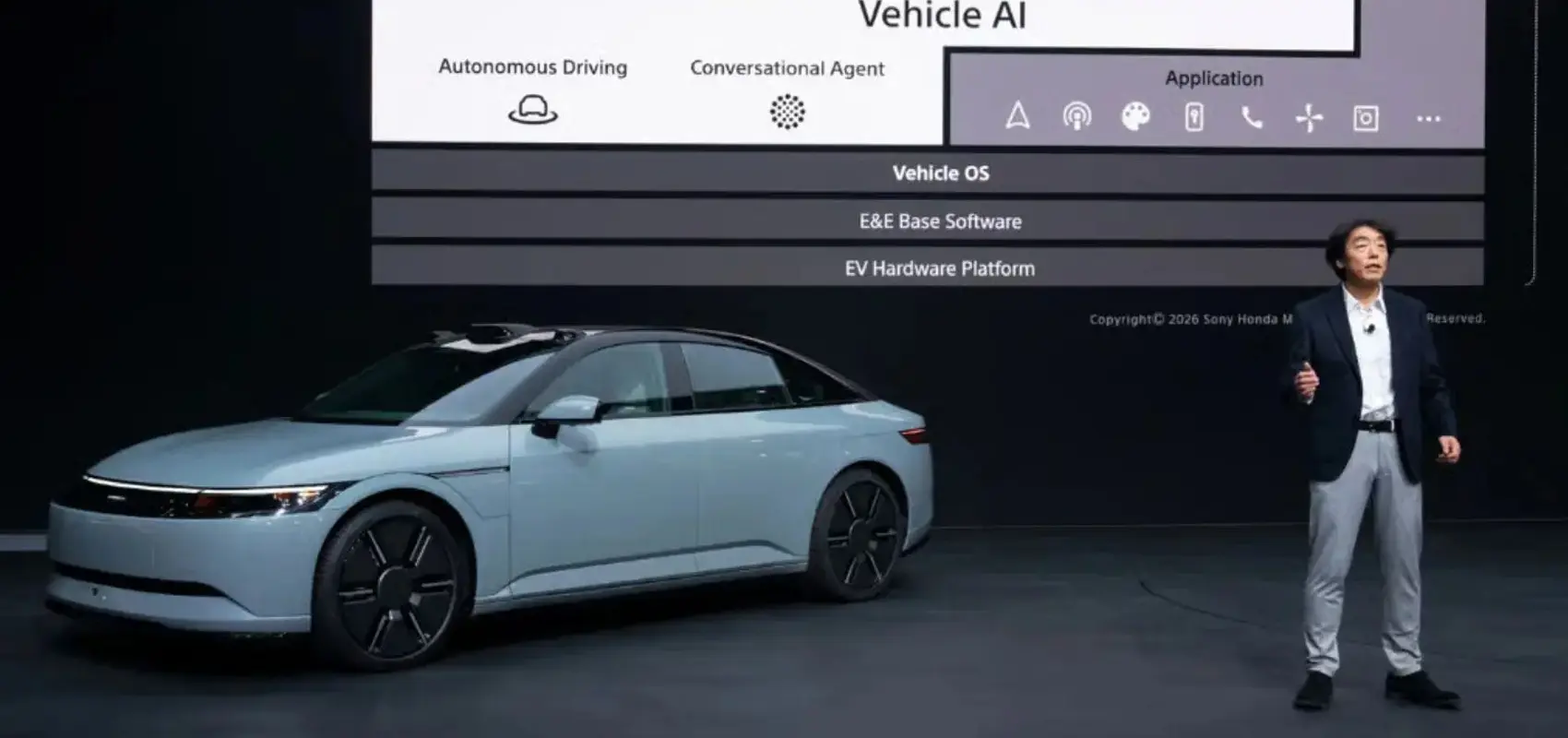
At CES 2026, the automotive industry focused not only on electrification but also on artificial intelligence and automated driving.
Robotaxis from Lucid, Uber, and Waymo
One of the biggest highlights at CES 2026 exhibition was the continued push toward fully autonomous ride-hailing services. Companies like Lucid, Uber, and Waymo showcased robotaxi platforms designed to operate without human drivers in controlled environments.
These vehicles rely on a combination of lidar, radar, cameras, and advanced AI algorithms to navigate city streets, detect obstacles, and make real-time driving decisions.
- Waymo demonstrated expanded urban testing zones;
- Uber emphasized partnerships with automakers to scale autonomous fleets;
- Lucid’s entry into the space signals that even premium EV brands see robotaxis as a viable future revenue stream.
This shift suggests that car ownership may gradually decline in dense urban areas, replaced by subscription-based mobility services that prioritize convenience and cost efficiency.
AI-driven driver-assistance systems at Level 2 and above
Another major AI trend in the automotive industry is the rapid evolution of advanced driver-assistance systems (ADAS), especially those reaching Level 2+ and Level 3 autonomy.
Automakers and tech companies introduce systems capable of handling highway driving, lane changes, traffic navigation, and even limited hands-free operation under specific conditions.
These AI-driven systems are powered by increasingly sophisticated neural networks that learn from vast datasets collected from real-world driving. Brands highlight improvements in safety, including better pedestrian detection, predictive braking, and adaptive cruise control that responds more naturally to traffic flow.
While full autonomy remains a long-term goal, these incremental upgrades are already reshaping the driving experience, reducing fatigue and enhancing overall road safety for everyday users. Now the focus of development turned to perfection in speed and precision of small or partly covered objects recognition and personal data protection.
Concept cars featuring multimedia integration, voice assistants, and digital entertainment spaces
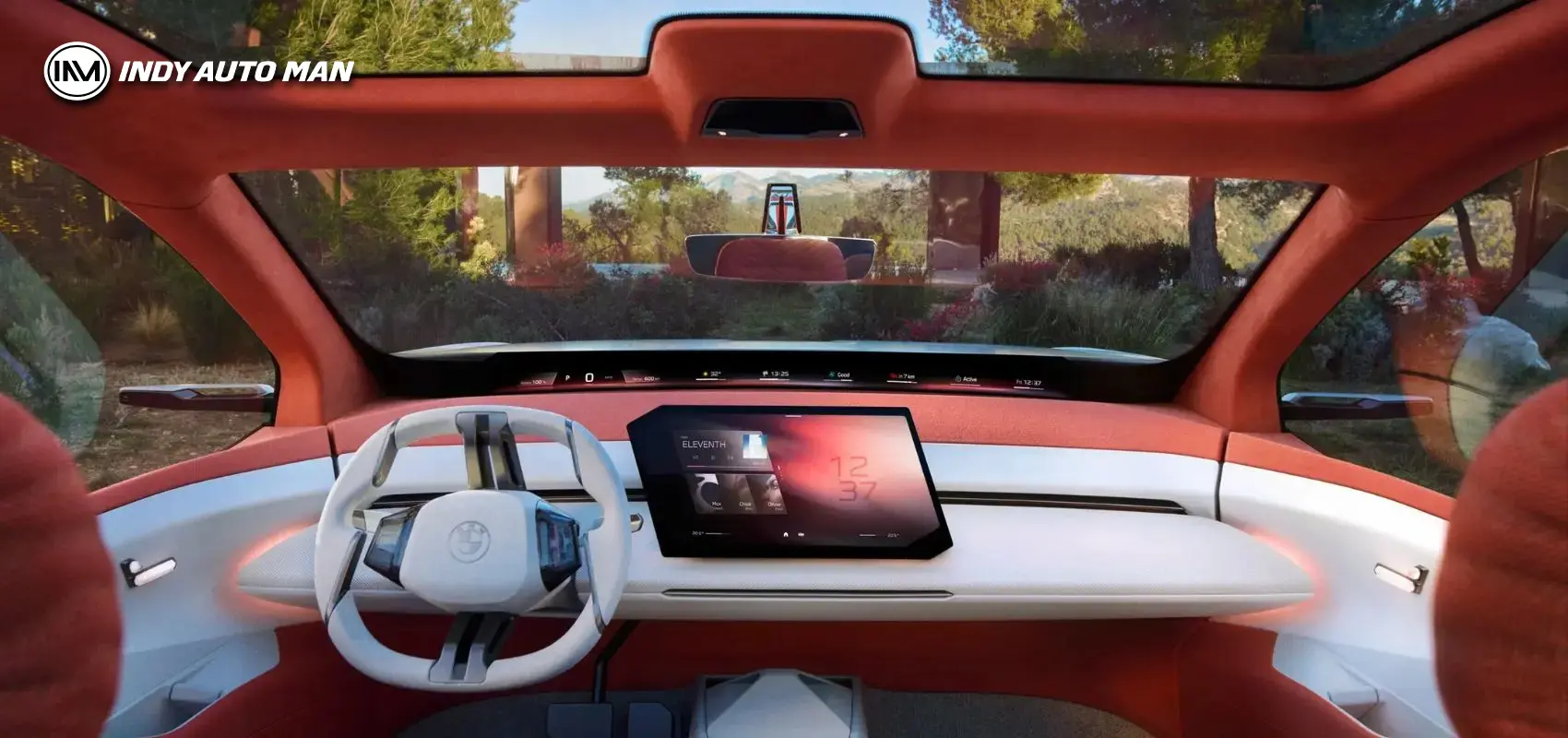
In 2026, automakers also leaned heavily into the idea of the car as a digital living space rather than just a transportation tool. Concept vehicles showcased immersive interiors equipped with large panoramic displays, augmented reality dashboards, and AI-powered voice assistants capable of managing everything from navigation to personalized entertainment.
- BMW Vision Neue Klasse X features a wide panoramic iDrive display that stretches across the windshield. It has a clean, minimalist cockpit designed to reduce distractions while enhancing digital interaction. The system emphasizes intuitive controls and personalized driver profiles powered by AI.
- Mercedes-Benz MBUX Hyperscreen Concept showcases a full-width glass display that spans the entire dashboard, integrating infotainment, navigation, and vehicle controls into one interface. Its AI learns driver habits over time, offering proactive suggestions and a highly customized user experience.
- Sony Honda Mobility Afeela is built with entertainment at its core. This concept includes integrated gaming capabilities, high-quality audio, and access to streaming services. It blurs the line between vehicle and media hub, especially appealing for autonomous ride scenarios.
- Hyundai Mobion Concept is designed with flexibility in mind. The Mobion features a modular interior and lounge-style seating that can adapt to various use cases, from work to relaxation. Its focus on interior space reimagines how occupants interact with the vehicle during travel.
- Chrysler Halcyon Concept incorporates an immersive augmented reality head-up display alongside an autonomous driving mode that allows passengers to fully disengage. The cabin is designed as a calming environment, regarding comfort, ambient lighting, and digital immersion as top priorities.
These innovations reflect a broader shift toward in-car experiences, especially as autonomous technology reduces the need for active driving.
AI in modern cars: Transition to digital lifestyle hubs
In 2026, automakers will continue to integrate AI, clearly investing in environments where passengers can work, relax, or socialize during travel, effectively turning vehicles into parking spots at home and office spaces.
For buyers, this means more value, smarter features, and a driving experience that feels closer to a personalized digital space than a traditional commute.
Read also:
Indiana used car market trends
Ram: Inventory section with hybrids and EVs
Stay up to date with the latest automotive news and access the vehicles that not only meet today’s needs but are ready for the future of mobility with Indy Auto Man!