
EV Industry News: What Honda, BMW, and Other Global Brands Are Signaling
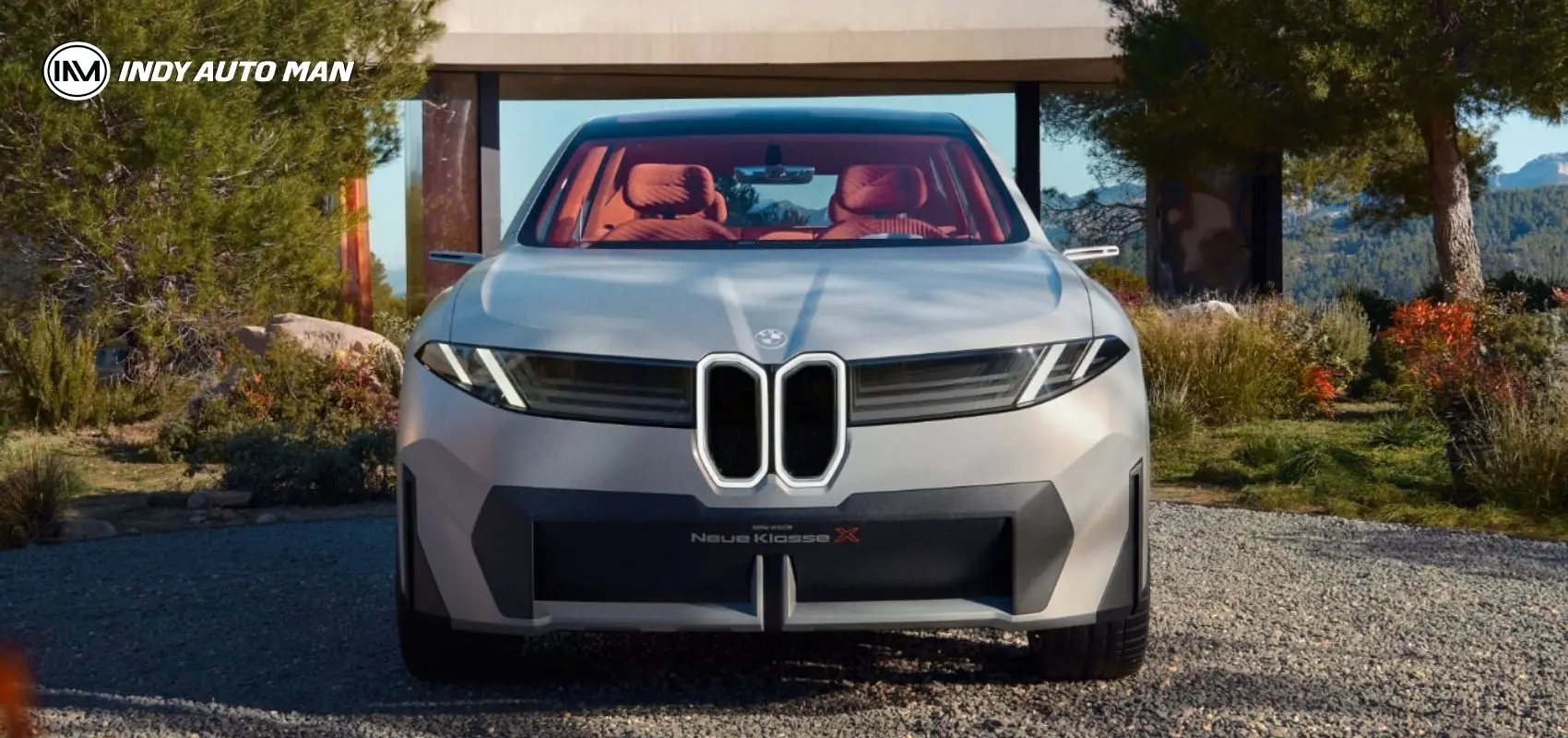
The electric vehicle market in the U.S. is moving fast in 2026, with new model launches, breakthroughs in battery technology, and shifting consumer demand shaping the conversation. From Tesla’s robotaxi rollout expansion in the heat of the USA to fresh interest in mainstream EVs like the BMW and Toyota development, the latest headlines show that electric mobility is a core part of today’s auto industry.
Below, we are providing our readers with an overview of the most recent developments in electric vehicles.
Hot electric vehicle news for the US market
EV technology is advancing quickly in the U.S., and the biggest changes right now are in batteries and vehicle software. Automakers are working to improve range, reduce charging time, and lower costs, while battery developers are advancing new chemistries such as solid-state, lithium iron phosphate, and sodium-ion.
At the same time, faster public charging networks and smarter energy management systems are making EVs more practical for everyday drivers. The result is a market that feels less experimental than it did a few years ago and much more focused on real-world usability. And some fluctuations and leaders’ exchanges are inevitable.
Tesla sets the pace
Tesla remains the benchmark that everyone else is chasing. Even as competitors like BMW gear up to challenge it directly, Tesla keeps pushing the envelope with software updates, expanded Supercharger networks, and new models like the Cybertruck that redefine what buyers expect from electric trucks and SUVs.
In 2026, Tesla focuses on full self-driving technology and over-the-air updates, keeping older models feeling fresh longer. That’s a big deal for used-car buyers - vehicles like the Model 3 and Model Y often hold their value better because of Tesla’s ongoing commitment to the ecosystem, from battery longevity to app integration.
BMW goes after Tesla in its 2026 development
BMW is taking a pioneering approach in EV vehicles nowadays. Instead of slowing down, as some prominent manufacturers have, it is using its Neue Klasse strategy to build a new generation of EVs designed to compete directly with Tesla. The upcoming BMW iX3 is being positioned as a serious rival to the Tesla Model Y, while BMW’s next electric sedans are expected to challenge Tesla in other high-volume segments.
BMW is not just adding battery power to existing models. It is building a cleaner, more focused EV platform meant to improve range, charging speed, and overall driving experience. That kind of strategy usually leads to stronger product consistency.
Honda pulls back on EV plans
Honda’s recent EV decisions show that not every automaker is moving forward at the same pace. The company has stepped back from several planned U.S.-built EVs, including projects once expected to strengthen its electric lineup.
This doesn’t mean Honda is abandoning electric vehicles altogether. It does, however, show that the company is rethinking how aggressively it wants to invest in certain EV segments. For shoppers, that can be a sign to pay attention to long-term support, model availability, and future resale performance.
Toyota stays conservative
With its 2026 lineup, Toyota remains one of the most cautious major brands in the EV race. Rather than betting everything on battery-electric vehicles, it continues to spread its efforts across hybrids, plug-in hybrids, hydrogen, and EVs.
For some buyers, that is reassuring. For others, it can feel too slow compared with brands that are moving more aggressively. Either way, Toyota’s position highlights a key truth about the EV market: there is still no single formula that every automaker believes will win.
Volkswagen reworks its strategy for EV
Volkswagen is also adjusting its EV plan, but in a more focused way than Honda. The company has been refining its platform strategy and pushing toward a new generation of smaller, more accessible electric models. That approach suggests a continued commitment to EVs, but with more attention to pricing, efficiency, and market fit.
Volkswagen’s challenge is similar to that of many global brands. It must keep improving EV technology while also making the vehicles affordable enough to reach a wider audience. That balance is difficult, but it is essential if EV adoption is going to keep growing in real-world dealerships rather than just in launch announcements.
What do these moves mean for Indiana car shoppers?
The electric vehicle market is still moving fast, but the story is changing. That’s exactly the kind of change worth watching, if you are going to buy a used EV in Indiana. It affects which models retain value, which brands remain committed to EV technology, and which vehicles are likely to become stronger choices in the pre-owned market.
For car buyers, the biggest lesson is simple: not all electric auto brands are following the same path. Some automakers are retreating from certain projects, some are building new platforms, and others are expanding into new markets with confidence.
That means buyers should look beyond the badge and focus on practical issues such as battery range, charging speed, warranty coverage, software support, and likely resale value.
Used EV shoppers should be especially careful. A model from a brand investing heavily in electric technology may have stronger long-term support than one from a company scaling back. On the other hand, vehicles from brands that are pulling back can sometimes become better bargains in the pre-owned market, depending on condition and demand.
At Indy Auto Man, we know that used EV must be more than a trendy nameplate. We provide electric vehicles that offer reliability, value, and confidence.
Our used EV inventories in Indianapolis and Westfield let shoppers compare different makes and models in one place, without having to guess which brand is moving in the right direction.
Whether the goal is daily commuting, fuel savings, or simply trying electric driving for the first time, the current market gives buyers more options than ever before.

