Best Gas Economy Trucks in Indiana
Table of Contents
- 6 Most fuel-efficient trucks
- 1. Ford Maverick Hybrid: Best gas economy for urban driving
- 2. Chevrolet Silverado 1500 Duramax: Good fuel economy vehicle with full-size capacity
- 3. GMC Sierra 1500: Fuel-efficient full-size pickup for work and towing on Indiana roads
- 4. Ford F-150 PowerBoost Hybrid: Traditional truck with advanced technology for better economy in Indiana
- 5. Ram 1500: Capable hauler for comfortable daily driving
- 6. Hyundai Santa Cruz: Versatile option for suburban driving
- What affects truck gas economy?
- Hybrid, gas, or diesel?
- What truck gets the best gas mileage?
- Are diesel trucks more fuel-efficient than gas trucks?
- Does four-wheel drive reduce MPG?
- Will towing reduce my truck’s fuel economy?
- How can I improve my truck’s gas mileage?
- Find the best gas economy trucks at Indy Auto Man
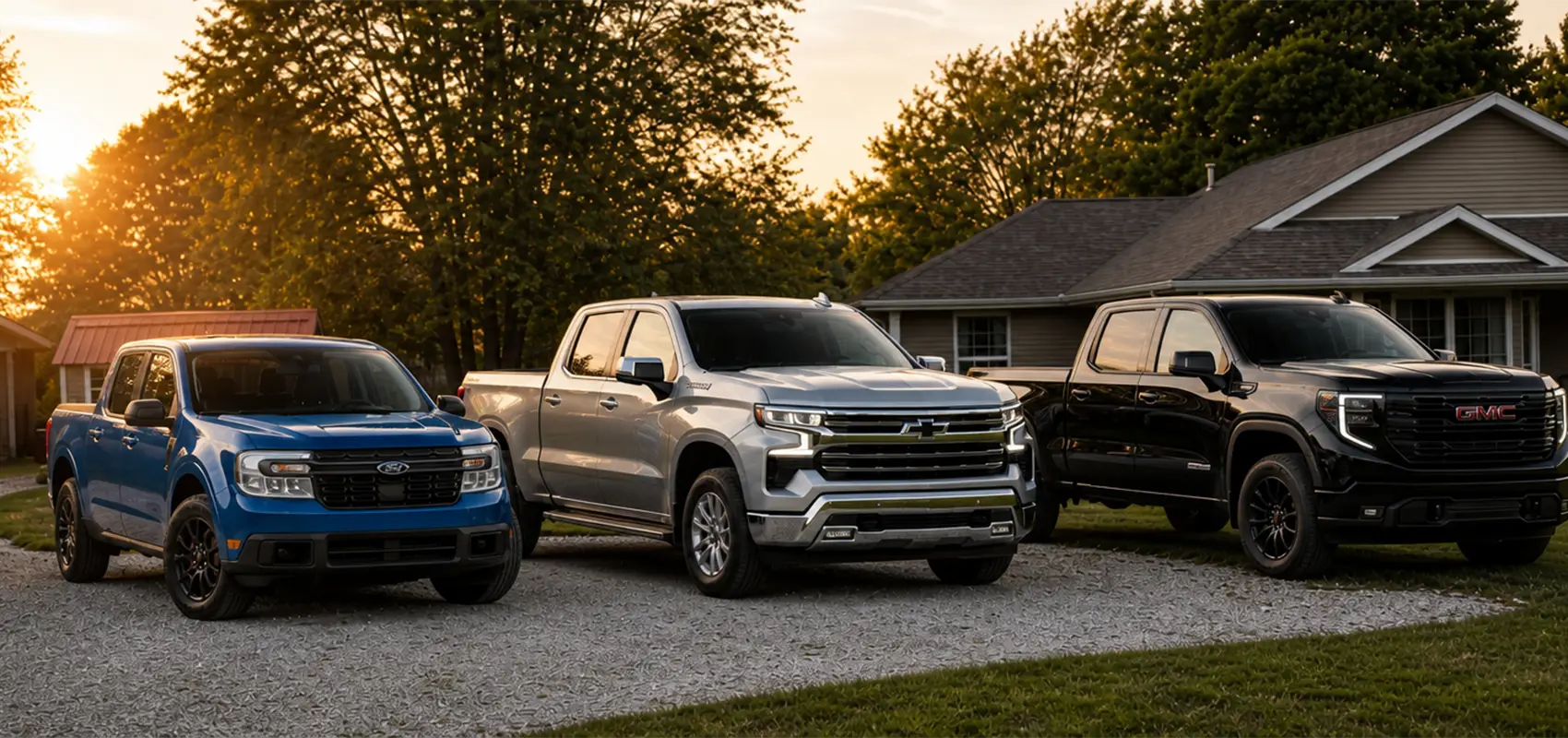
For years, Indiana truck shoppers had to choose between capability and efficiency. If you wanted a pickup that could tow, haul, and handle rough jobs, you usually had to accept frequent stops at the gas station. Fortunately, modern truck engineering has changed the approach.
If you are searching for the best gas-economy trucks, these six models are worth considering when shopping the Indiana used market.
6 Most fuel-efficient trucks
Today’s pickups use turbocharged engines, hybrid systems, lightweight materials, improved transmissions, and improved aerodynamic designs to deliver better fuel economy without sacrificing everyday utility.
Whether you need a compact truck for commuting around Indianapolis or a full-size pickup for towing and work across Indiana, here are the models that offer an excellent balance of power, dependability, and fuel savings.
1. Ford Maverick Hybrid: Best gas economy for urban driving

The Ford Maverick Hybrid is one of the clearest examples of how much the pickup segment has changed. Its compact size makes it easy to maneuver through Indianapolis traffic and crowded parking lots, while its bed provides practical space for tools, landscaping supplies, bicycles, and weekend equipment.
- Recent front-wheel-drive Maverick hybrid versions achieve up to an EPA-estimated 42 MPG city, 35 MPG highway, and 38 MPG combined.
- All-wheel-drive hybrid models remain highly efficient, with some configurations rated at up to 37 MPG combined.
The Maverick’s hybrid system is especially useful for city driving, where frequent stops and starts allow the electric motor to contribute more often. It is not intended to replace a heavy-duty Ford work truck, but it is an excellent choice for drivers who want a practical pickup without the fuel costs of a full-size truck.
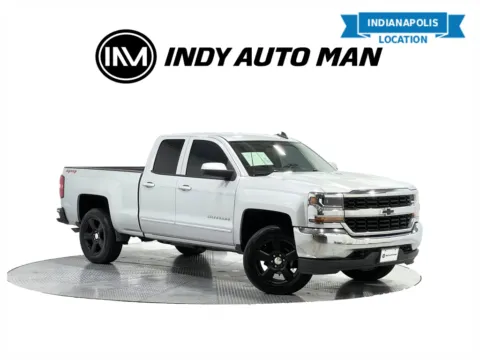
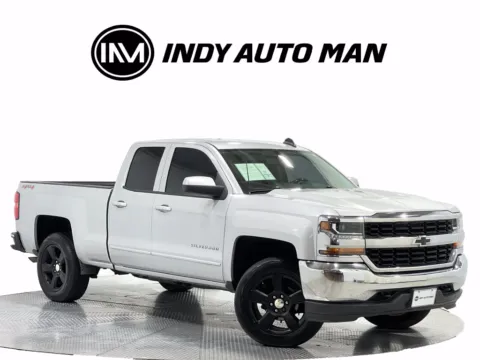
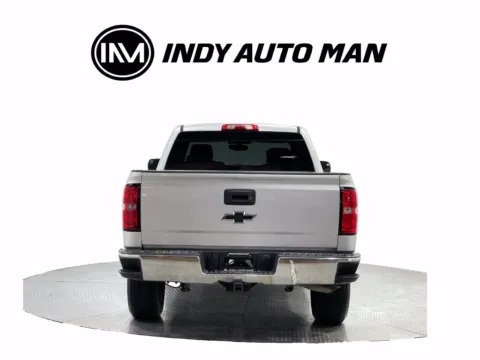
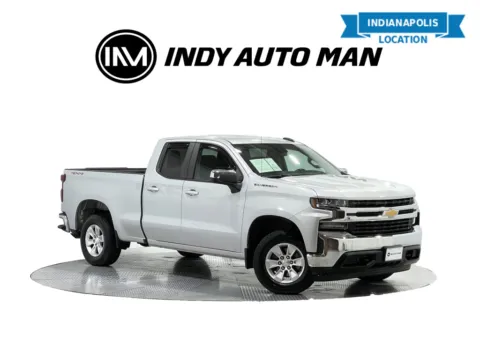
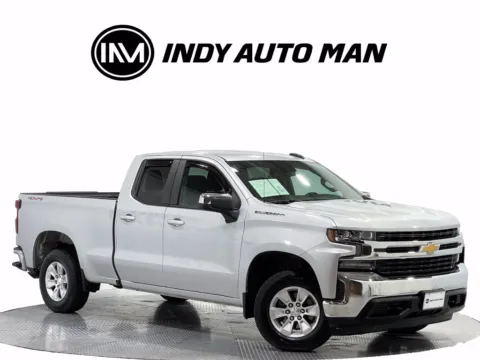
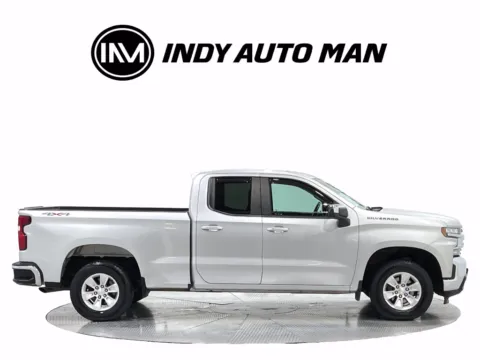
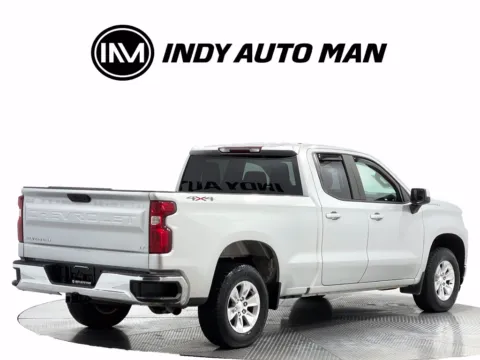
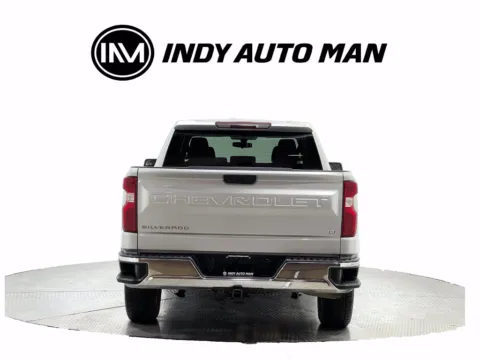
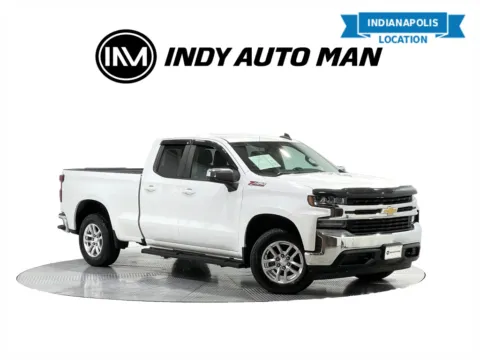
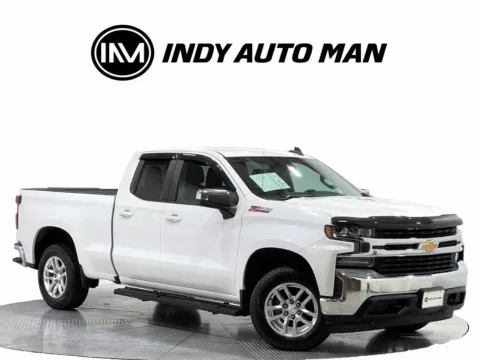
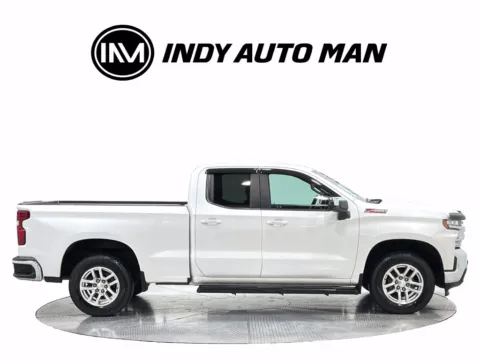
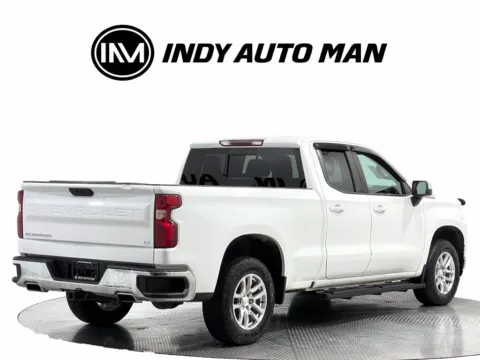
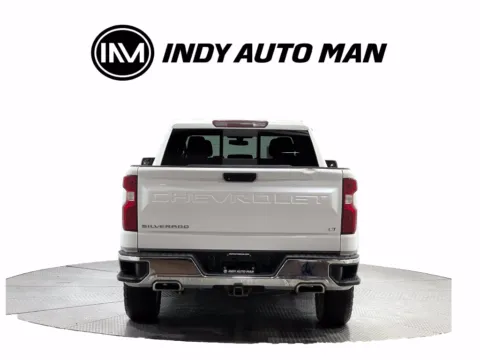
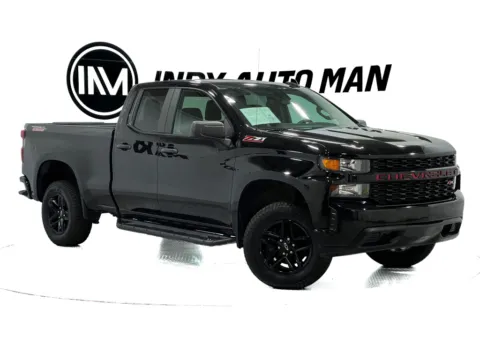
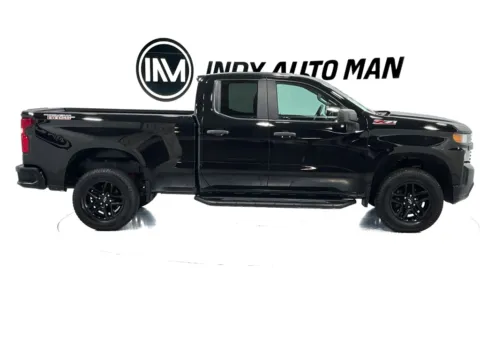
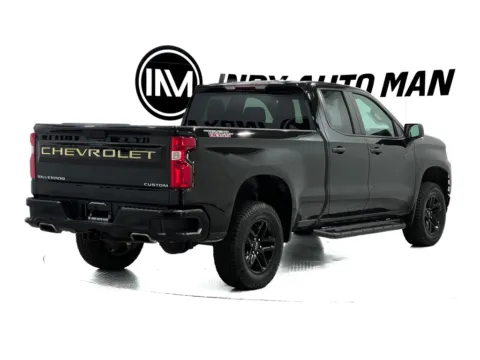
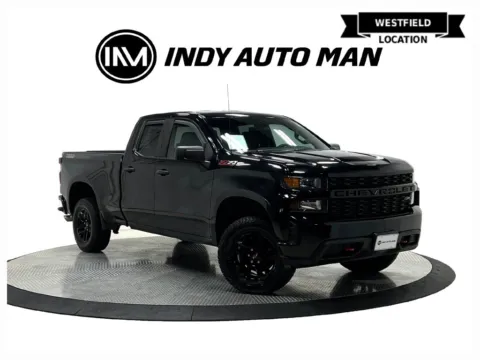
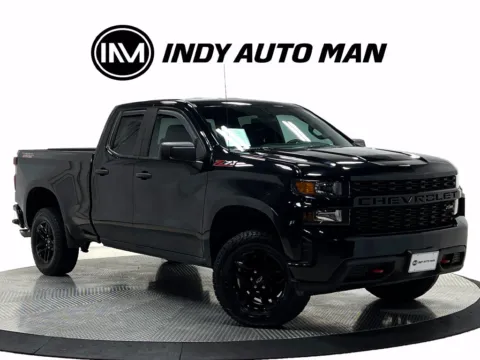
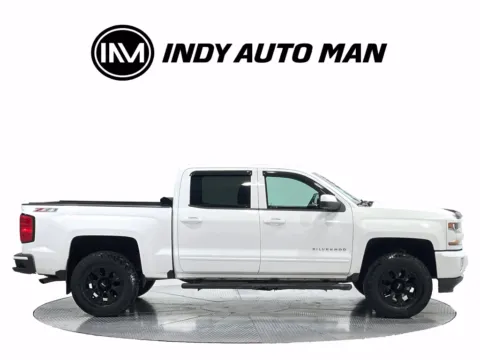
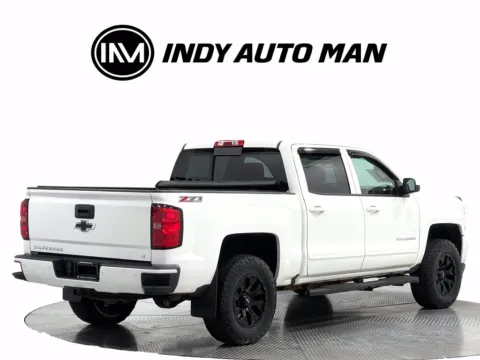
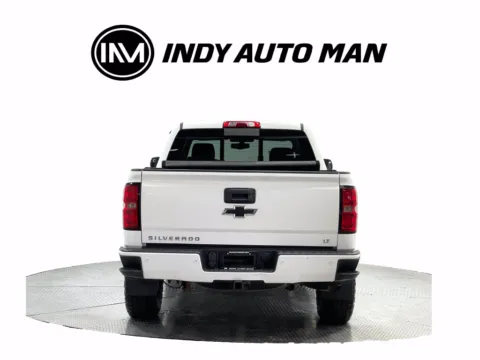
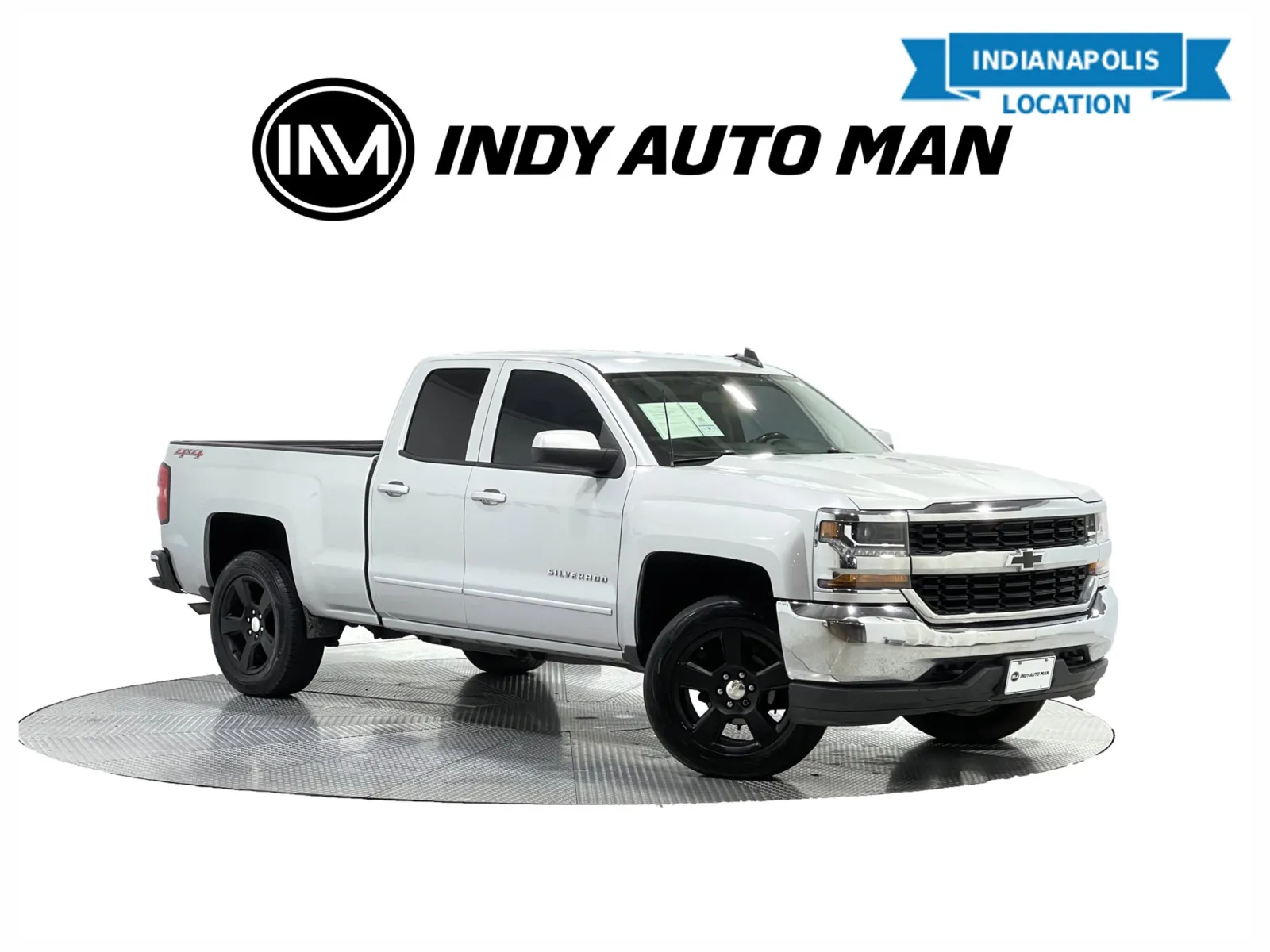
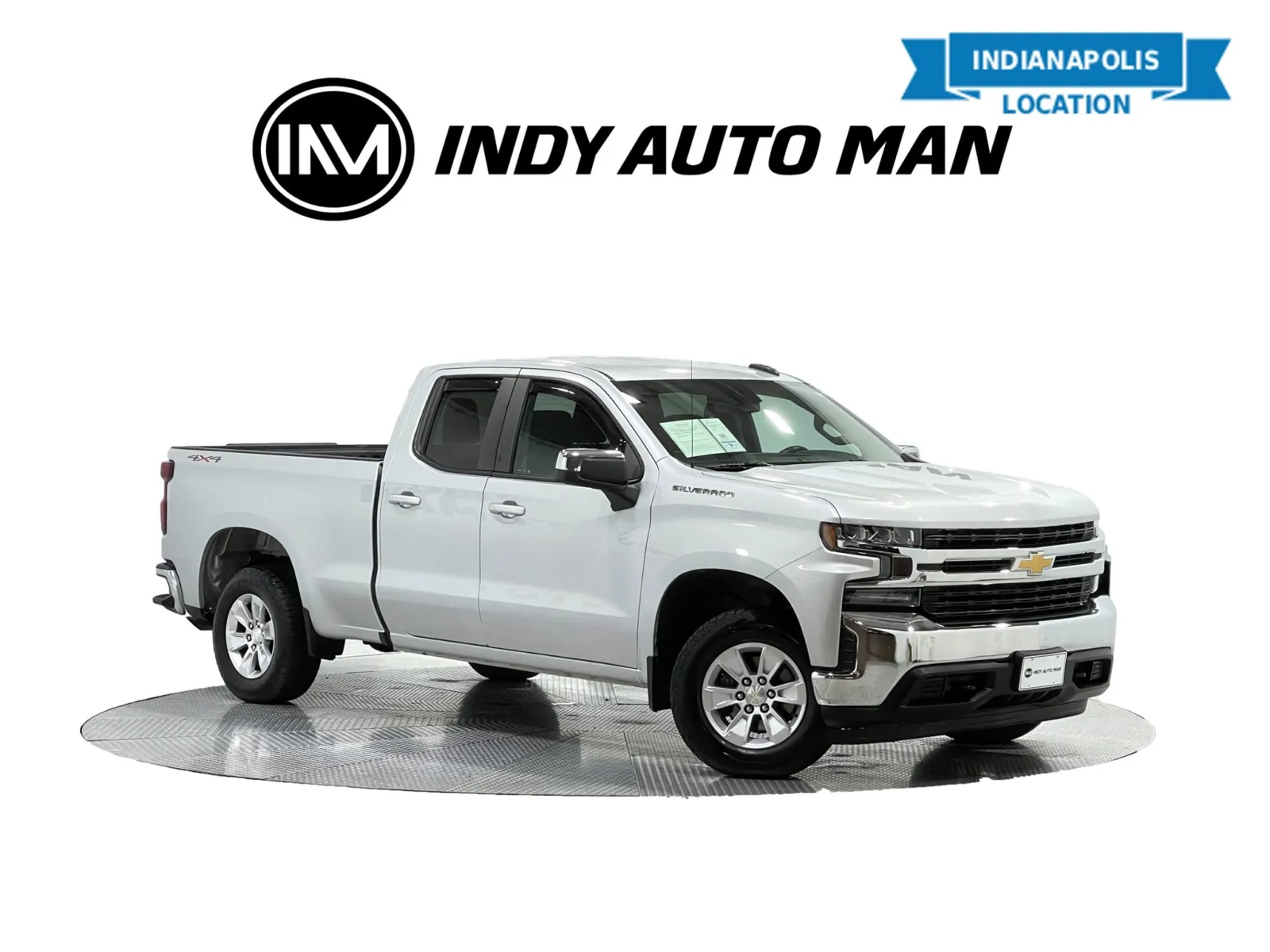
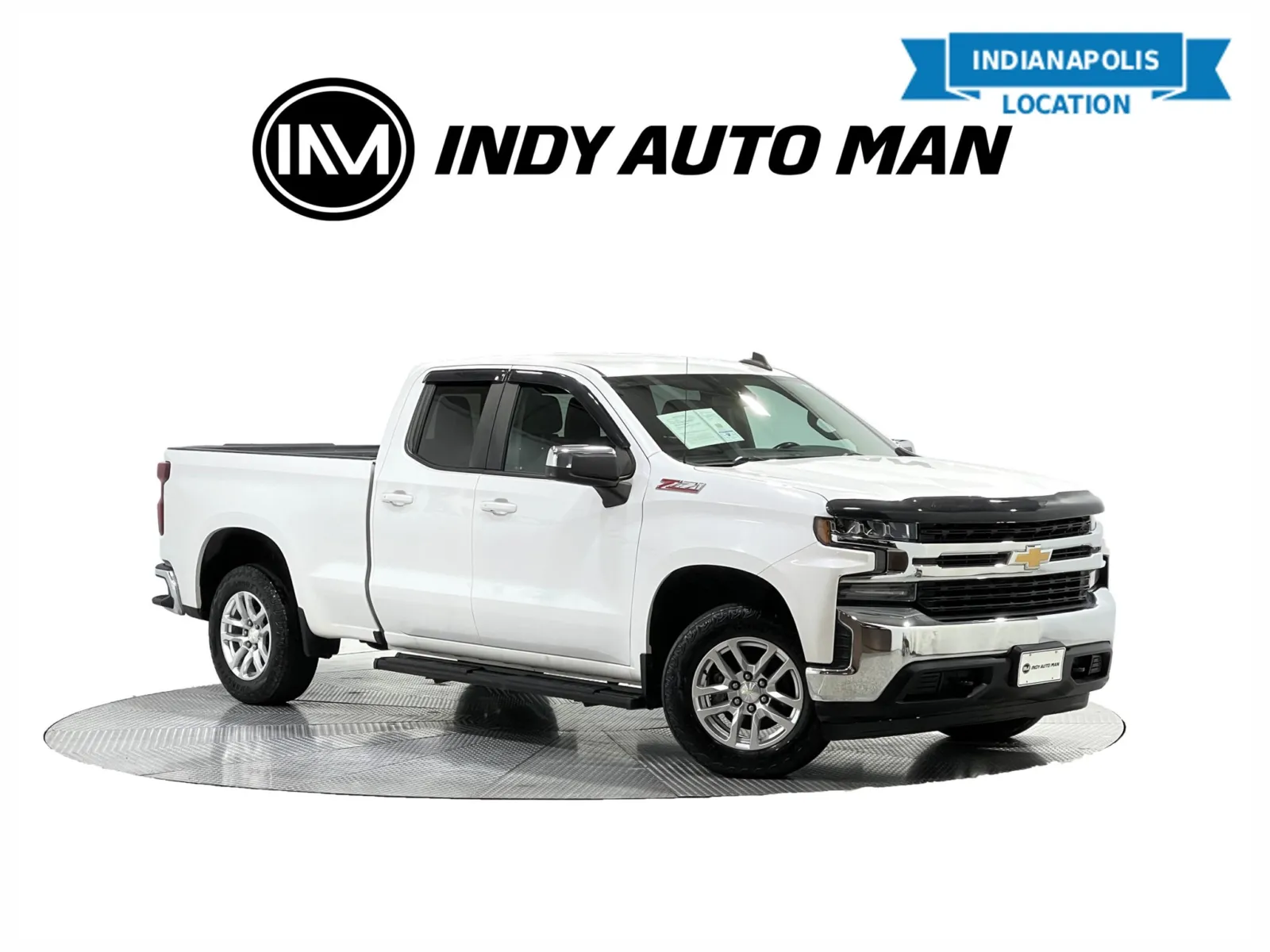
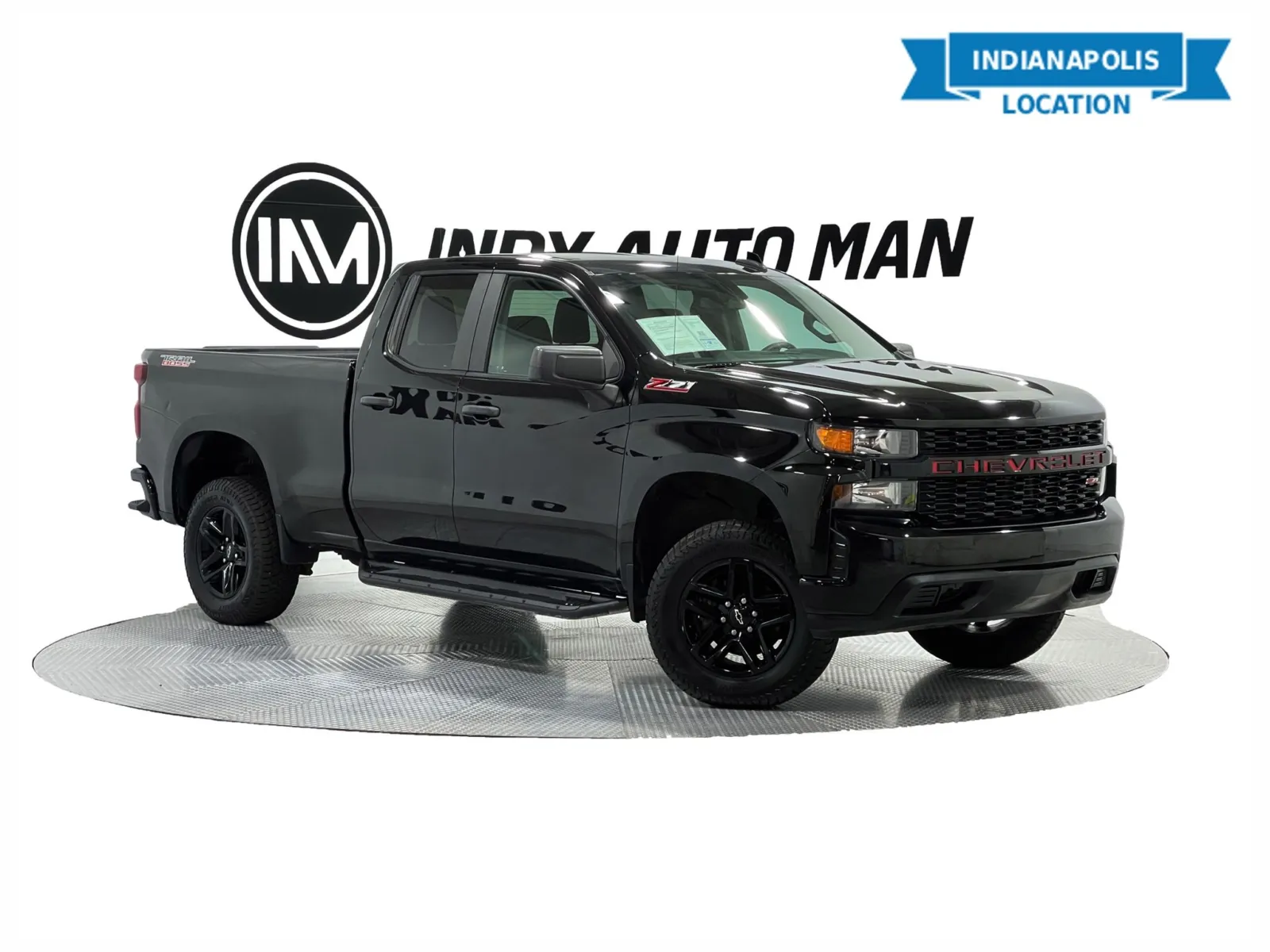
2. Chevrolet Silverado 1500 Duramax: Good fuel economy vehicle with full-size capacity
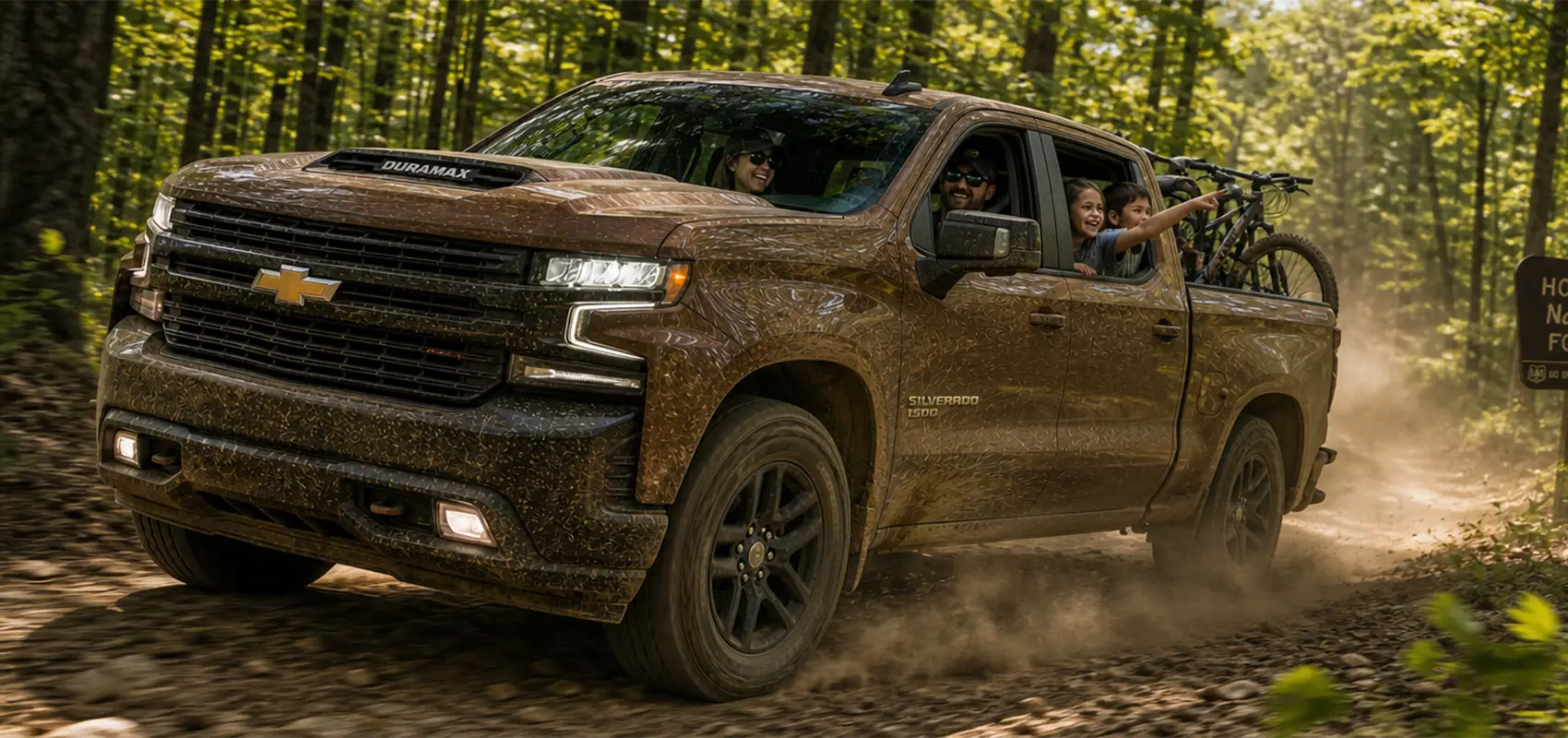
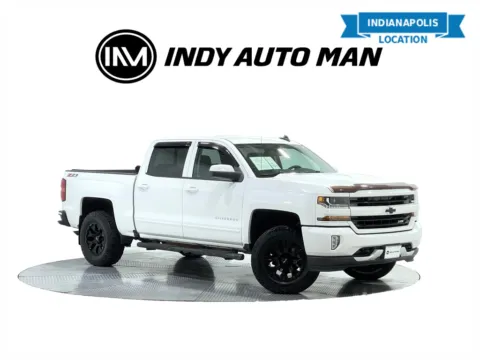
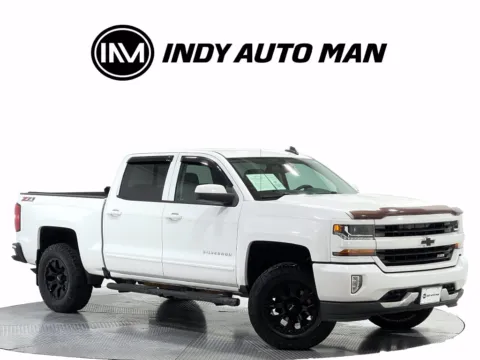
If you need a full-size truck but still want impressive highway fuel economy, the Chevrolet Silverado 1500 with its available 3.0-liter Duramax turbodiesel deserves attention. Diesel engines produce substantial low-end torque, making them useful for towing and carrying heavier loads.
- Depending on model year, drivetrain, and equipment, rear-wheel-drive Silverado 1500 diesel models can achieve up to 26 MPG combined, with highway ratings reaching even higher in some configurations.
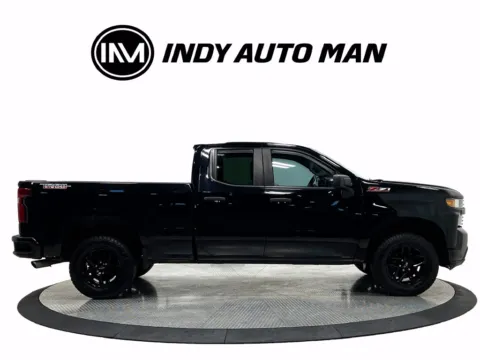
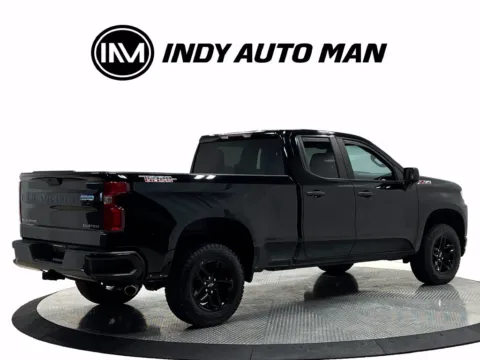
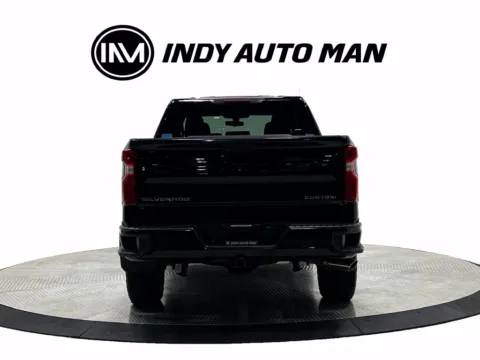
The Silverado truck also offers a wide range of cab styles, bed lengths, and trims. That makes it easier to find a Chevy version on the Indiana used car market that matches your work requirements and budget.
Diesel ownership may involve higher maintenance costs than gas-powered trucks, so inspect the service history carefully before purchasing a used Silverado 1500.
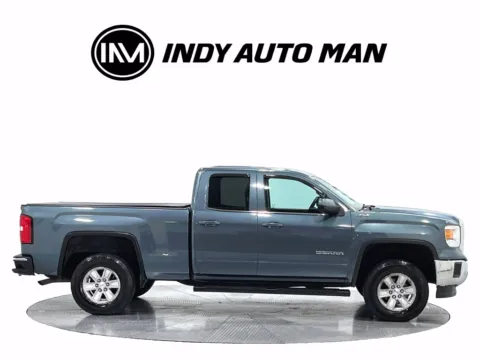
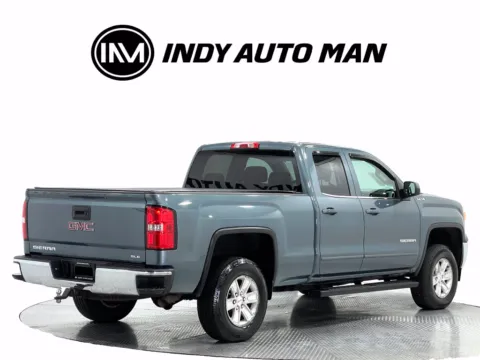
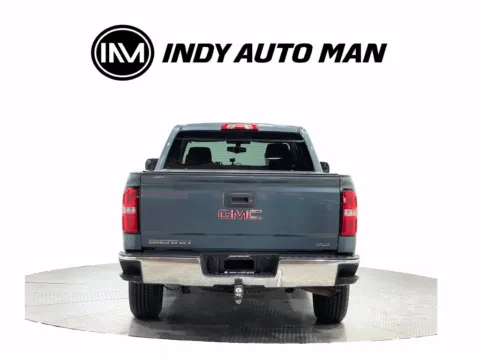
3. GMC Sierra 1500: Fuel-efficient full-size pickup for work and towing on Indiana roads
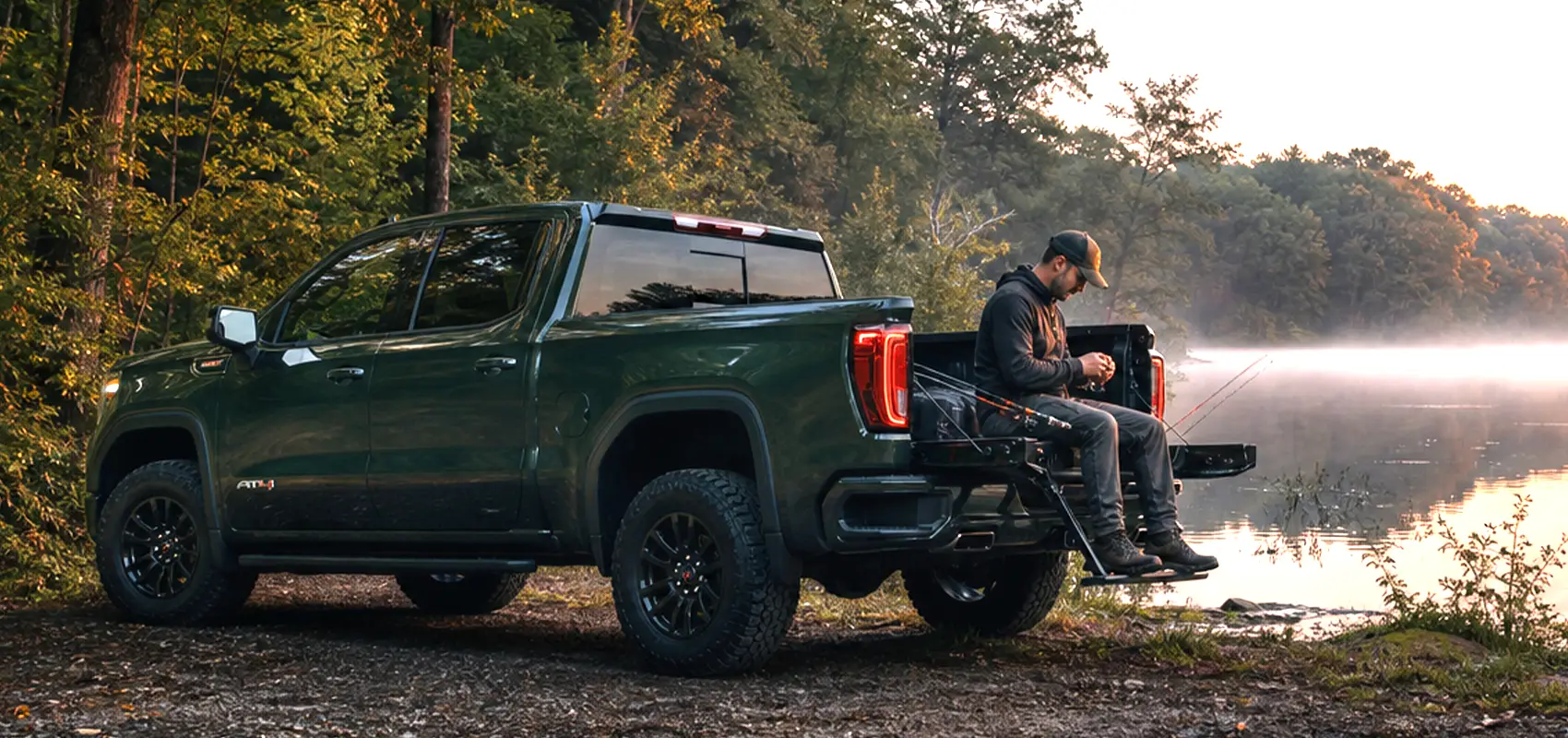
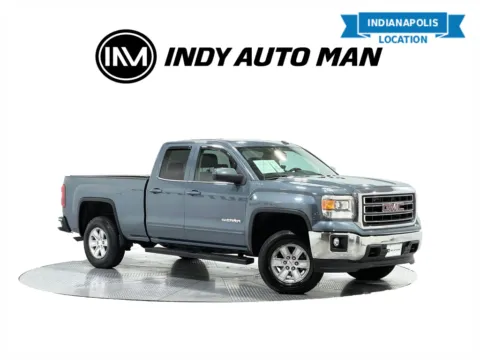
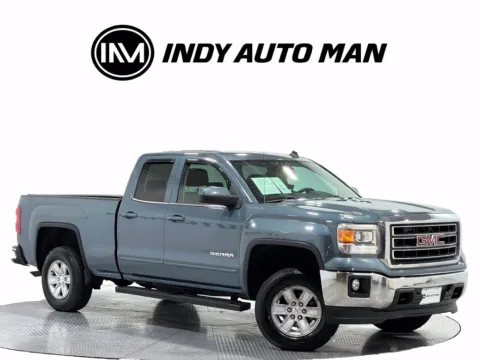
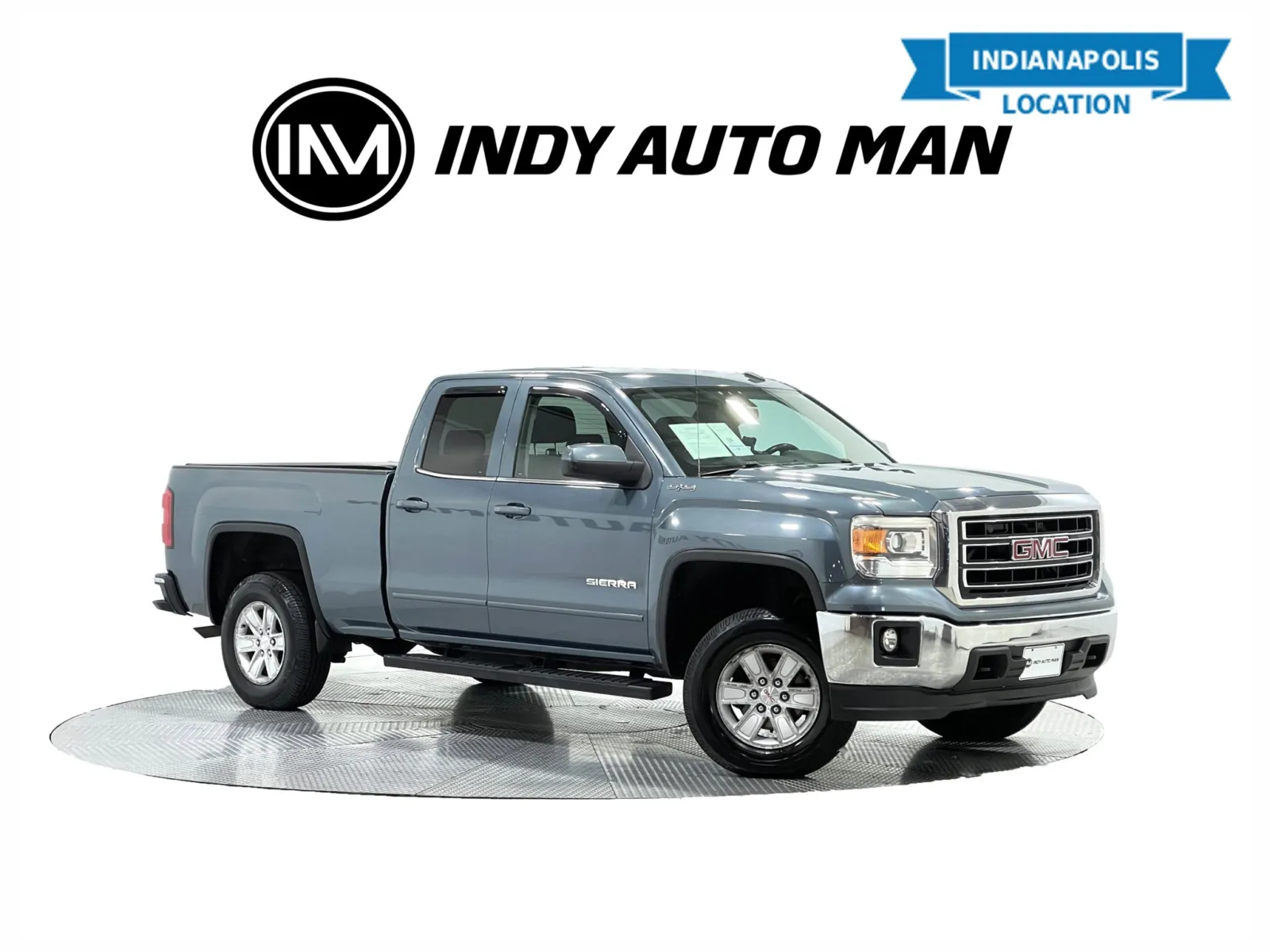
The GMC Sierra 1500 shares much of its mechanical foundation with the Chevrolet Silverado, but it brings its own styling, interior options, and technology. Like the Silverado, the Sierra truck can be equipped with a 3.0-liter Duramax diesel engine that delivers strong torque and provides competitive fuel economy.
- Rear-wheel-drive diesel versions can reach approximately 26 MPG combined, depending on the model year and configuration.
Gas-powered GMC Sierras are also worth considering, particularly when equipped with an efficient turbocharged four-cylinder or appropriately configured V8.
For used truck buyers, compare the truck’s intended use with its equipment. A four-wheel-drive Sierra 1500 with large off-road tires may be more capable, but a rear-wheel-drive model with smaller wheels may deliver better fuel economy.
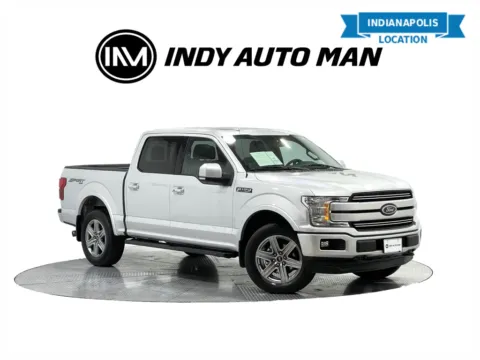
4. Ford F-150 PowerBoost Hybrid: Traditional truck with advanced technology for better economy in Indiana
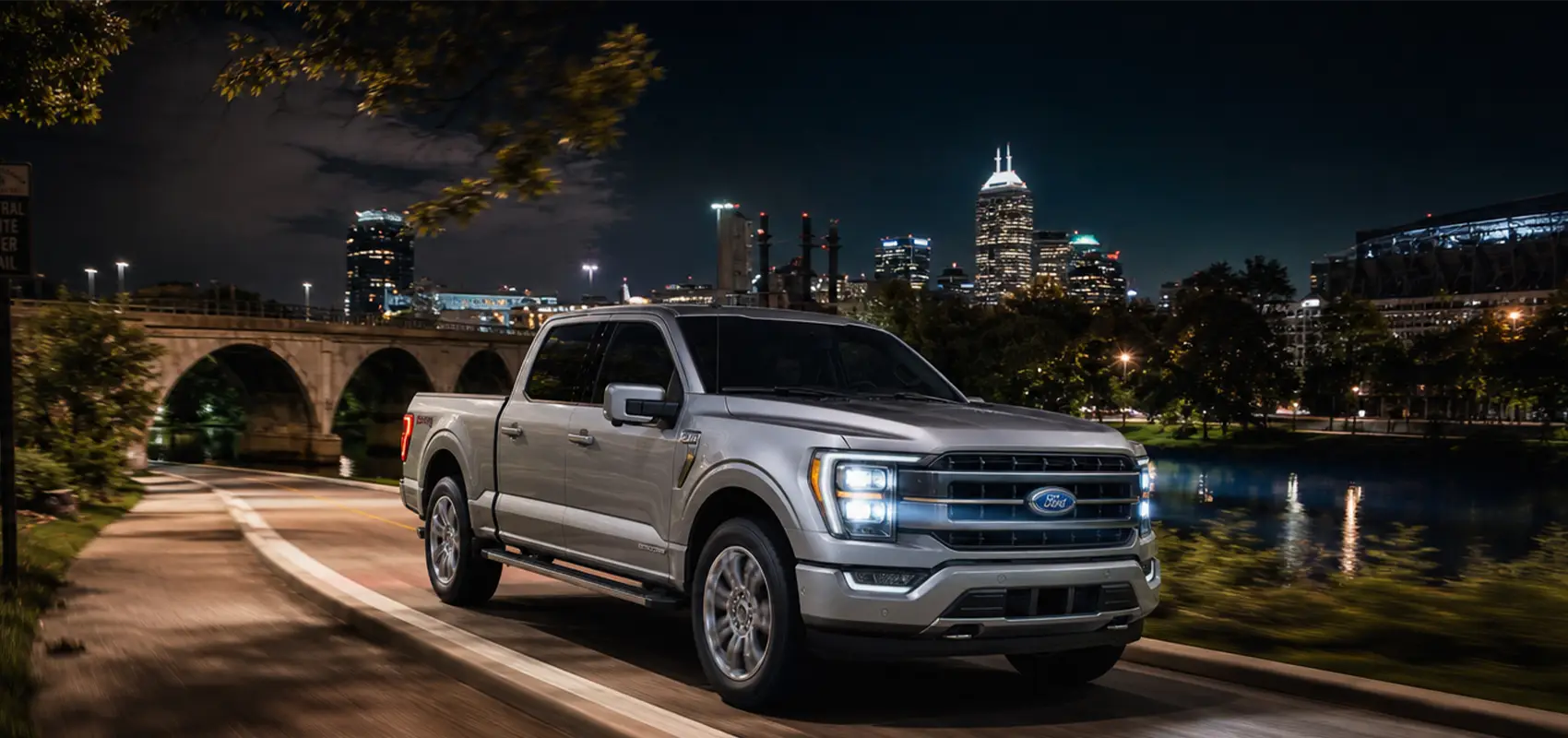
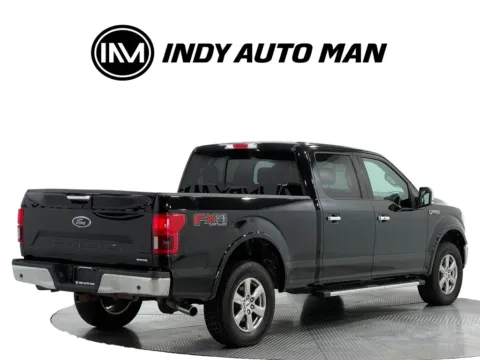
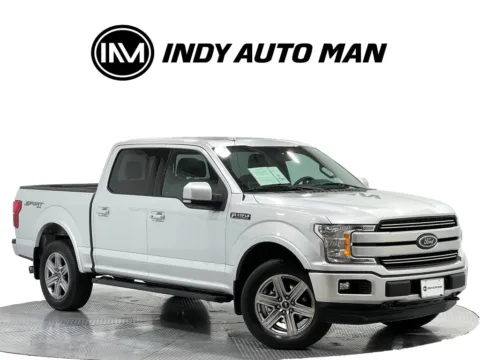
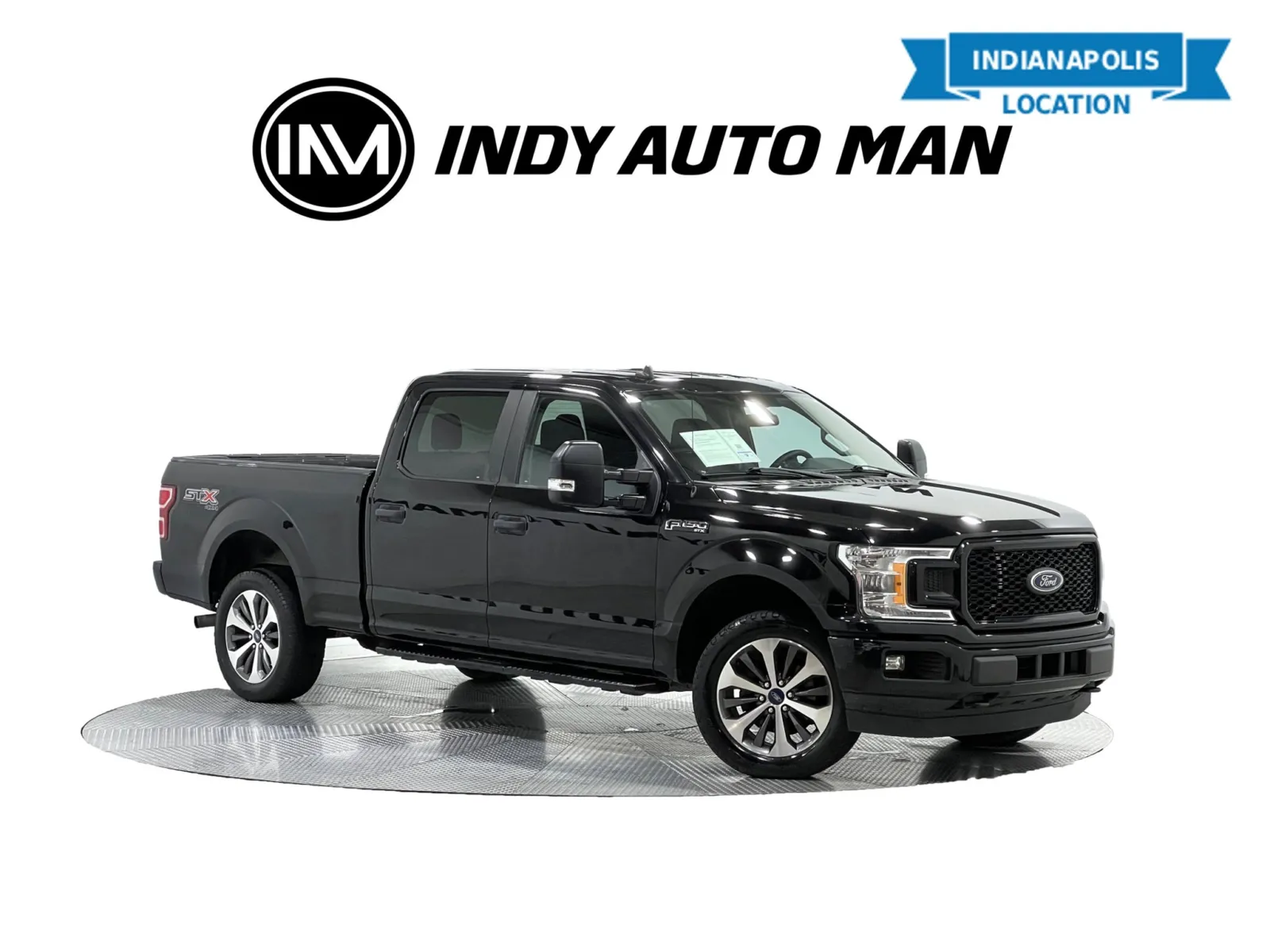
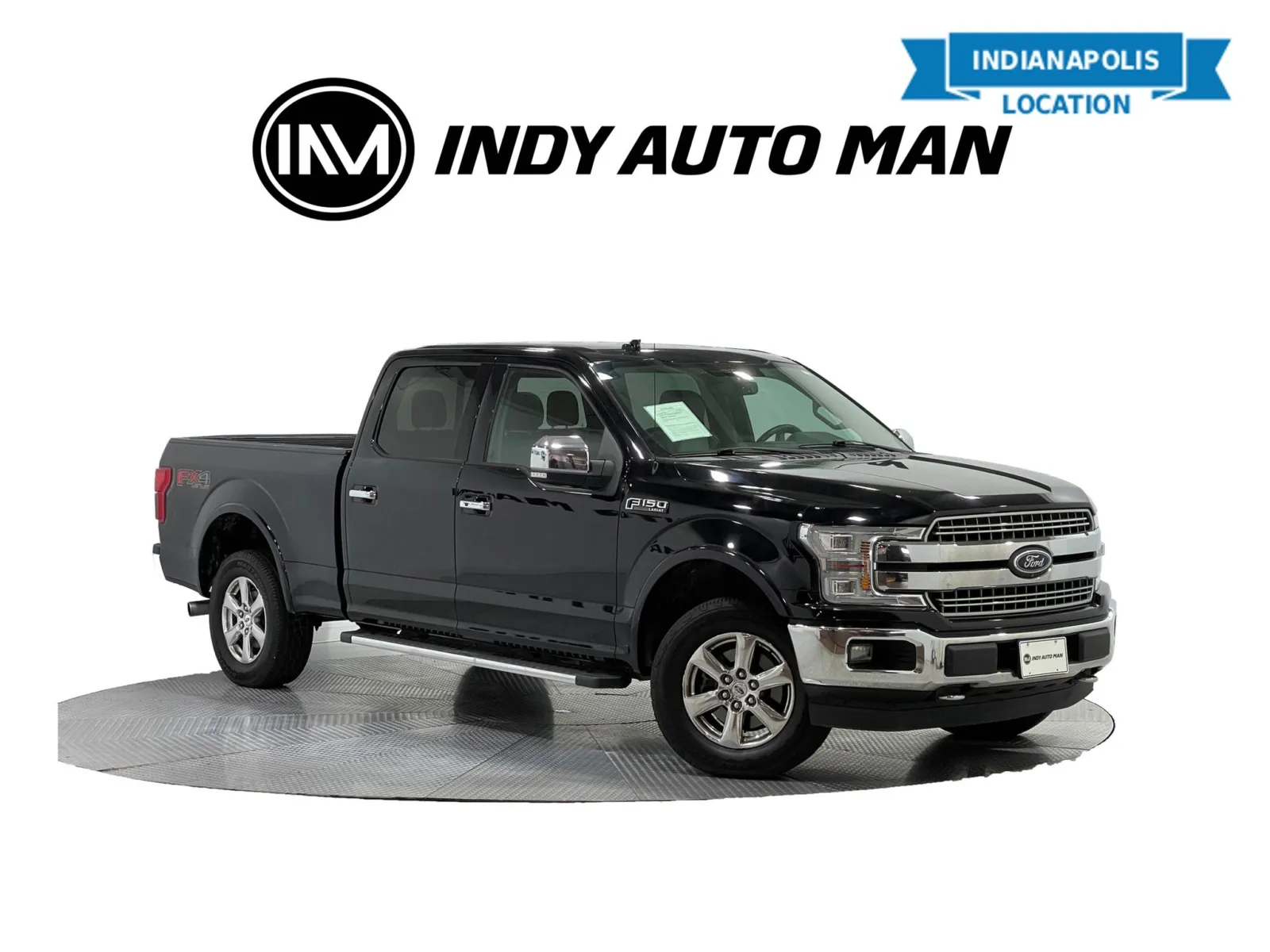
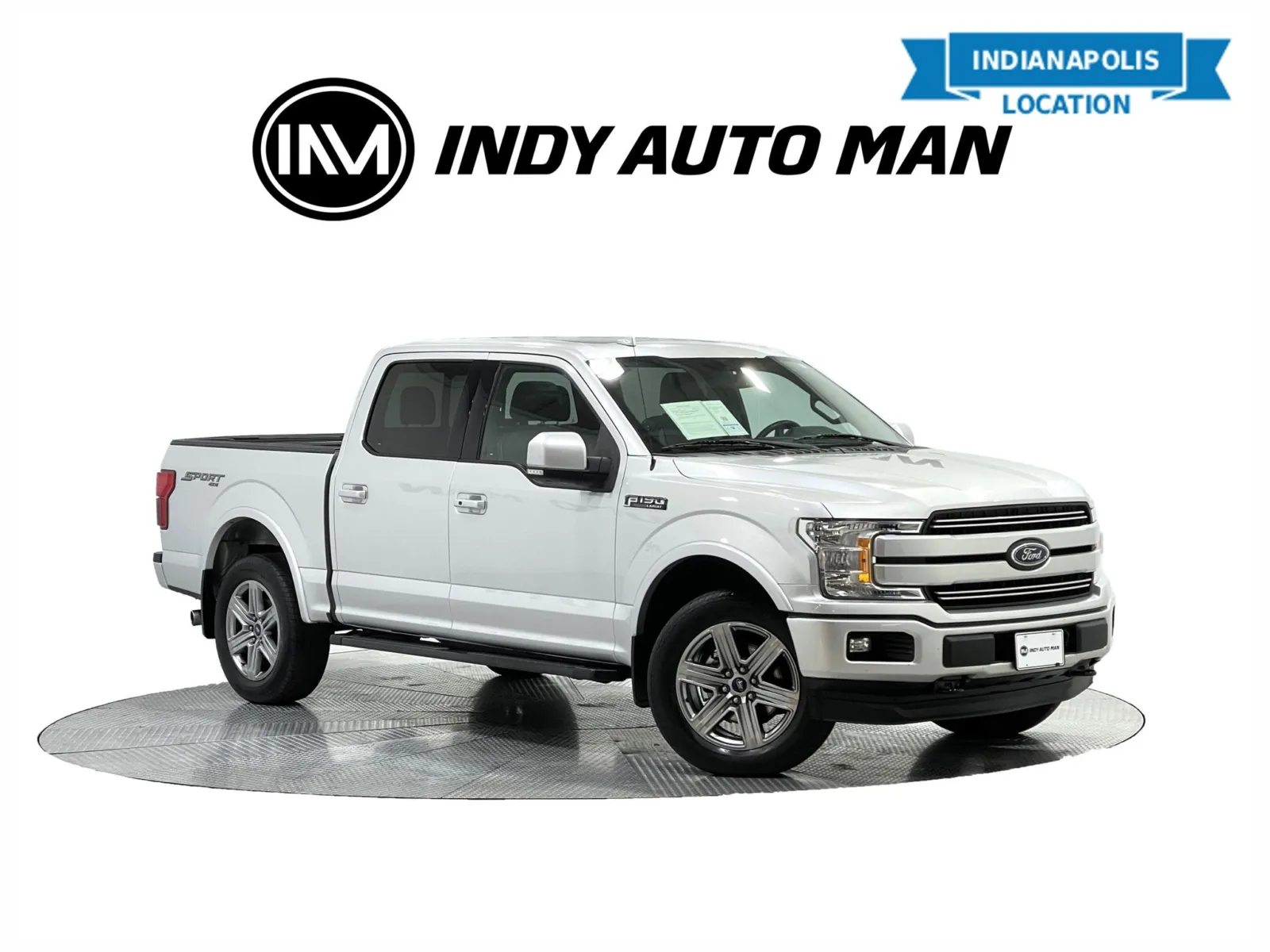
The Ford F-150 has long been one of America’s most popular pickups, and the PowerBoost hybrid system adds another reason to consider it. A twin-turbocharged gas engine with an electric motor delivers strong acceleration, useful towing capability, and better fuel economy than many conventional full-size trucks.
- Depending on model year, drivetrain, trim, and equipment, F-150 PowerBoost models can achieve roughly 23 to 25 MPG combined.
Rear-wheel-drive versions typically have an efficiency advantage, while four-wheel-drive models offer additional traction for winter roads, job sites, and light off-road use. Current fuel-economy comparisons place the F-150 hybrid among the more efficient full-size pickups.
One of the F-150 PowerBoost’s most useful features is its onboard power system. It can provide electricity for tools, camping equipment, or emergency use without requiring a separate portable generator.
5. Ram 1500: Capable hauler for comfortable daily driving
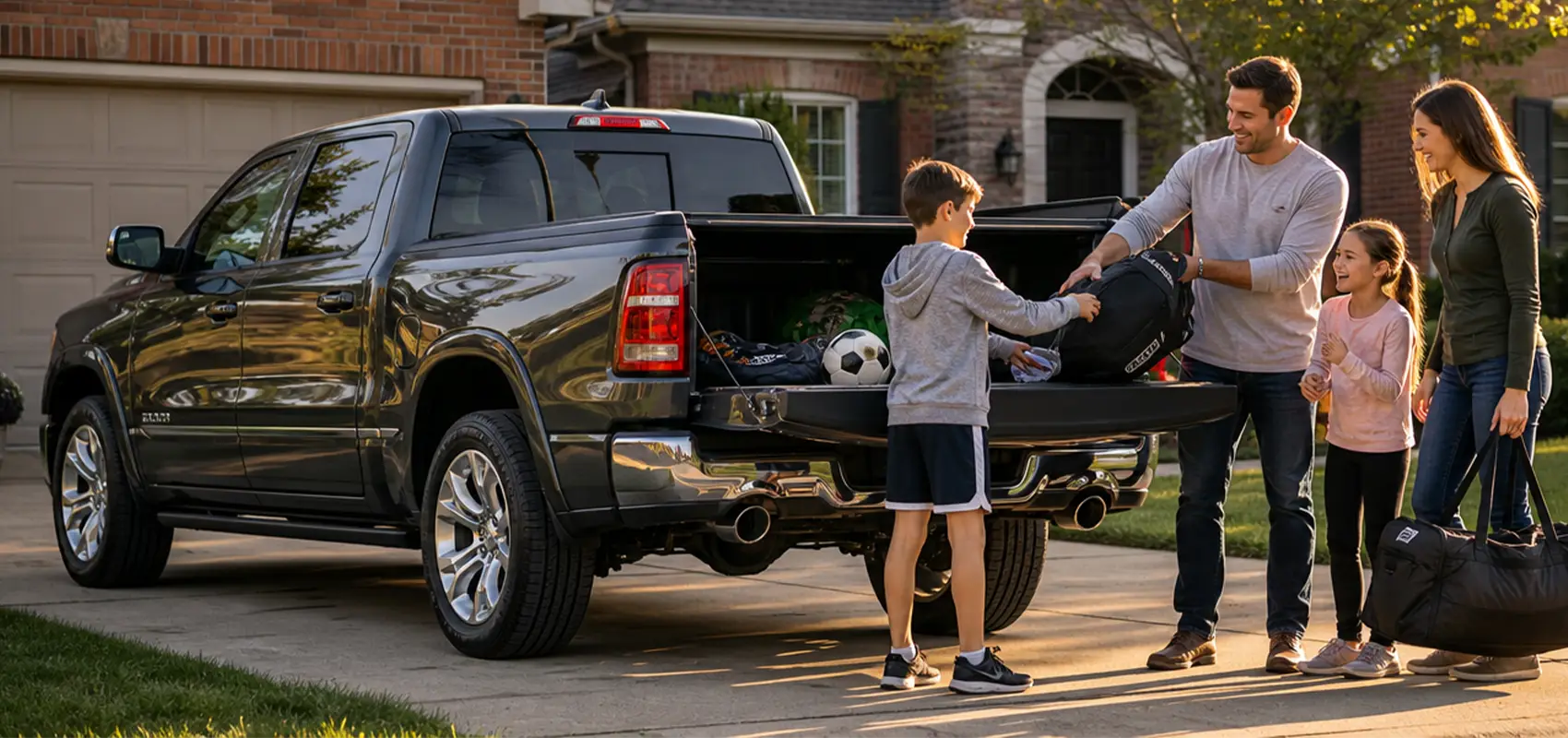
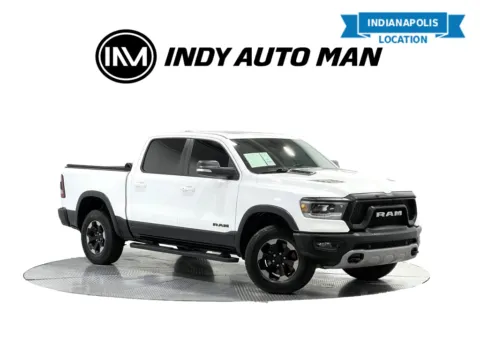
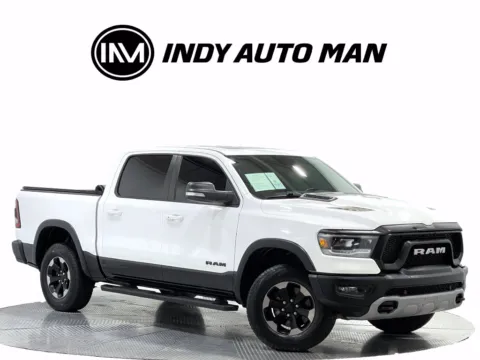
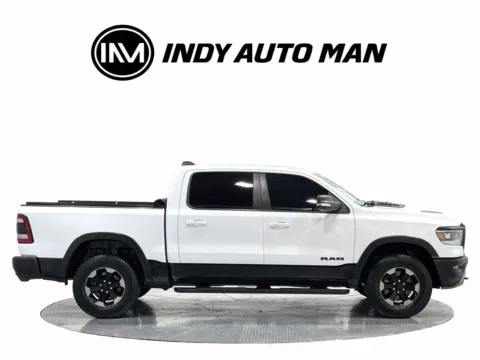
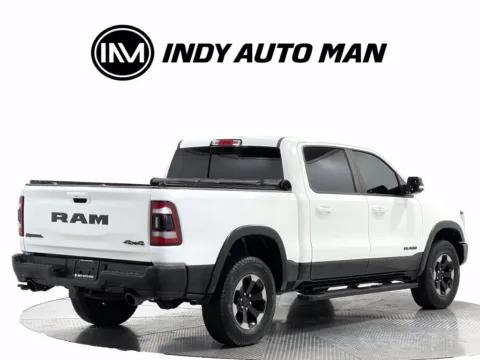
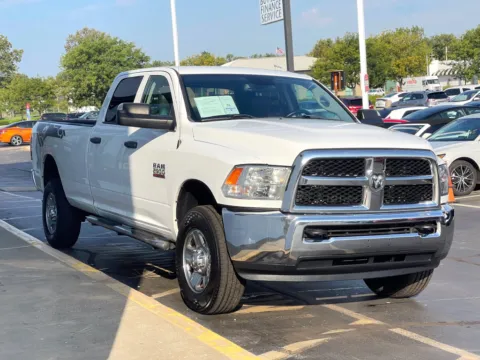
The Ram 1500 is known for its comfortable ride, quiet cabin, and well-designed interior. It is also one of the most fuel-conscious full-size trucks when equipped with the right engine and drivetrain.
- Some recent Ram 1500 models with the 3.6-liter Pentastar V6 achieve up to 22 MPG combined. And certain configurations with newer turbocharged engines can offer competitive highway mileage.
- Used 2020–2022 Ram 1500 HFE models equipped with the EcoDiesel engine are rated at up to 26 MPG combined with rear-wheel drive.
The Ram’s coil-spring rear suspension helps provide a smoother ride than many traditional leaf-spring competitors. That makes it appealing for Indiana buyers who want a pickup that remains comfortable during daily commuting.
When shopping for a pre-owned Ram 1500, consider whether the truck’s engine matches your needs. A gas V6 may be enough for light-duty driving, while a diesel can make more sense for frequent towing and highway travel. Always review the truck’s maintenance records, especially on diesel models.
6. Hyundai Santa Cruz: Versatile option for suburban driving
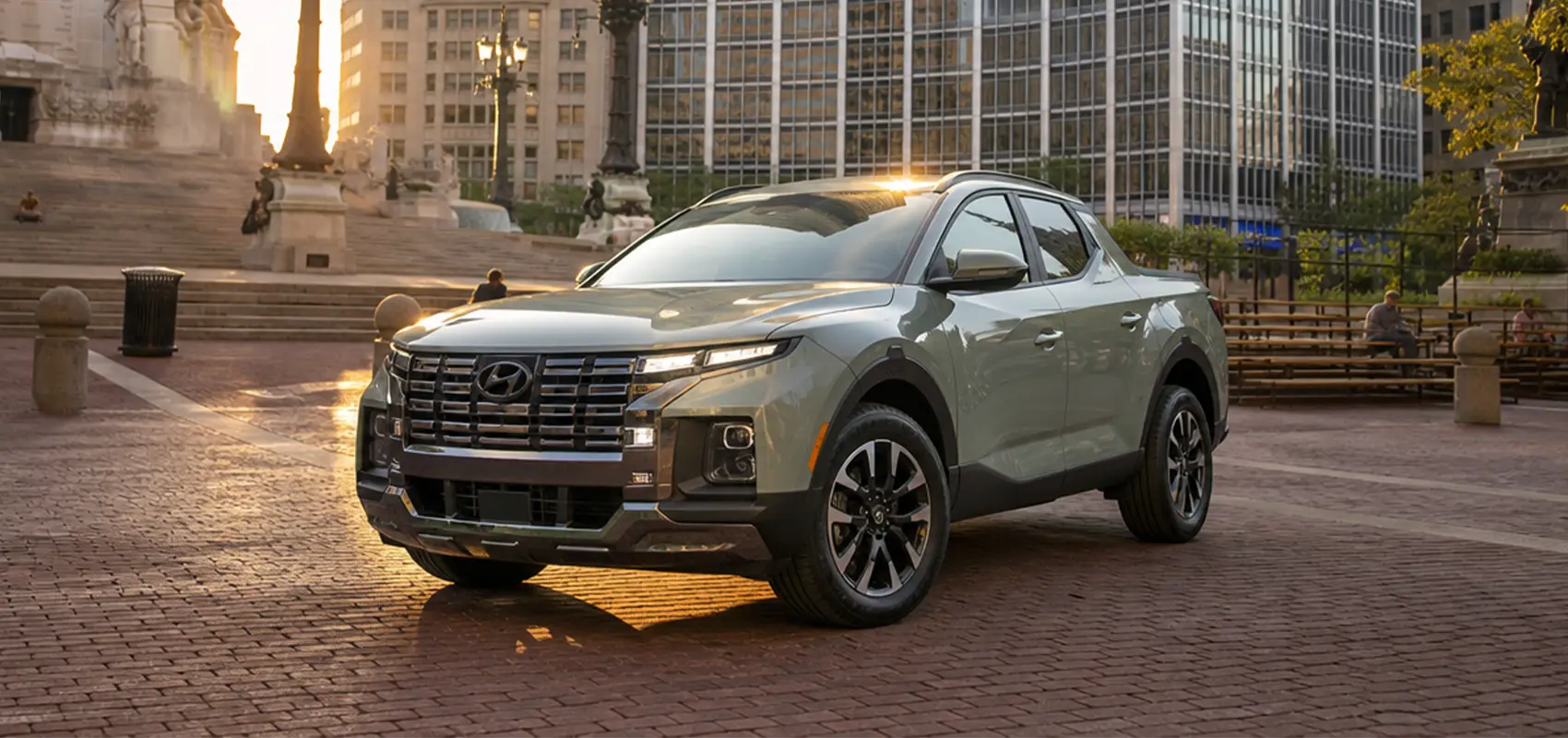
The Hyundai Santa Cruz is smaller and more crossover-like than a conventional body-on-frame pickup. That design gives the Cruz car-like handling, a comfortable cabin, and practical efficiency for everyday driving.
- Recent Hyundai Santa Cruz versions can reach up to 25 MPG combined, depending on the engine, drivetrain, and model year. Updated models have improved their fuel economy compared with earlier versions.
The second-hand Santa Cruz is a good fit for Indiana drivers who do not need the towing capacity or size of a full-size truck. Its bed can carry gardening supplies, sports equipment, camping gear, and home-improvement materials, while the enclosed cabin provides the comfort and convenience of an SUV.
What affects truck gas economy?
A truck’s MPG depends on much more than its engine size. Several factors work together to determine how efficiently a pickup uses fuel.
Powertrain technology
Turbocharging allows a smaller engine to produce the power of a larger one when needed. Hybrid systems add an electric motor that can assist the gas engine during acceleration and low-speed driving. Automatic start-stop technology can also shut the engine off while the truck is stopped, reducing unnecessary idling.
Vehicle size and weight
Compact trucks generally use less fuel than full-size pickups because they weigh less and create less aerodynamic resistance. However, weight is not the only consideration. The truck’s body shape, ride height, tires, drivetrain, and bed design can all influence efficiency, particularly at highway speeds.
Drivetrain and configuration
Four-wheel drive and all-wheel drive add traction, but they also add weight and mechanical resistance. Cab style, bed length, axle ratio, wheel size, and towing equipment can affect the final EPA rating. When comparing used trucks, pay attention to the specific configuration and the model’s condition rather than relying only on the model name.
Driving habits and maintenance
Your real-world fuel economy may differ from the number placed by the manufacturer as the information about vehicle’s features on the window sticker. Aggressive acceleration, high speeds, heavy loads, towing, winter weather, and extended idling can all reduce MPG. Proper tire inflation, regular oil changes, clean filters, and timely maintenance can help your truck operate more efficiently.
EPA figures are useful for comparing vehicles under consistent testing conditions, but they are estimates rather than guarantees. FuelEconomy.gov remains a helpful resource for checking ratings by model year and drivetrain.
Hybrid, gas, or diesel?
The best engine depends on how you use your truck.
| Powertrain | Main Advantage | Best Use |
|---|---|---|
| Hybrid | Excellent city fuel economy and smooth acceleration | Commuting, errands, and mixed driving |
| Gas | Lower purchase price and widely available service | General-purpose driving and occasional towing |
| Diesel | Strong torque and highway efficiency | Frequent towing and long-distance travel |
Fuel economy should be considered alongside purchase price, insurance, maintenance, repair costs, and expected ownership length. A more expensive hybrid or diesel may save money over time, but only if you drive enough miles to benefit from its efficiency.
What truck gets the best gas mileage?
Among current gasoline and hybrid pickups, the front-wheel-drive Ford Maverick Hybrid is one of the fuel-economy leaders, with an EPA-estimated 38 MPG combined and up to 42 MPG city.
Are diesel trucks more fuel-efficient than gas trucks?
Diesel trucks can deliver better fuel economy than comparable gas models, particularly on the highway and when towing. However, diesel fuel prices, maintenance requirements, and repair costs should be included in your truck ownership calculations.
Does four-wheel drive reduce MPG?
Usually, yes. Four-wheel-drive systems add weight and mechanical resistance, so the same truck may receive a lower EPA rating than a two-wheel-drive version. The difference varies by model and equipment.
Will towing reduce my truck’s fuel economy?
Yes. Towing adds weight and aerodynamic resistance, which forces the engine to work harder. The reduction can be substantial, especially with large or tall trailers. If towing is a regular part of your routine, choose a truck with the correct tow rating rather than focusing only on its unloaded MPG.
How can I improve my truck’s gas mileage?
Keep the tires inflated to the recommended pressure, remove unnecessary cargo, avoid excessive idling, accelerate smoothly, and follow the manufacturer’s maintenance schedule. These simple habits can help your pickup use fuel more efficiently and extend the trouble-free lifespan of your auto.
Find the best gas economy trucks at Indy Auto Man
At Indy Auto Man, our team can help you compare used trucks based on fuel economy, towing needs, budget, drivetrain, and long-term ownership costs. We serve drivers in Indianapolis, Westfield, Carmel, Fishers, Noblesville, and surrounding Indiana communities with a broad selection of used vehicles.
Whether you need a compact pickup for commuting or a full-size truck for work, start by exploring our current inventory in Westfield and Indianapolis and schedule a test drive of your favorites. The right truck should fit your lifestyle, not just your driveway.