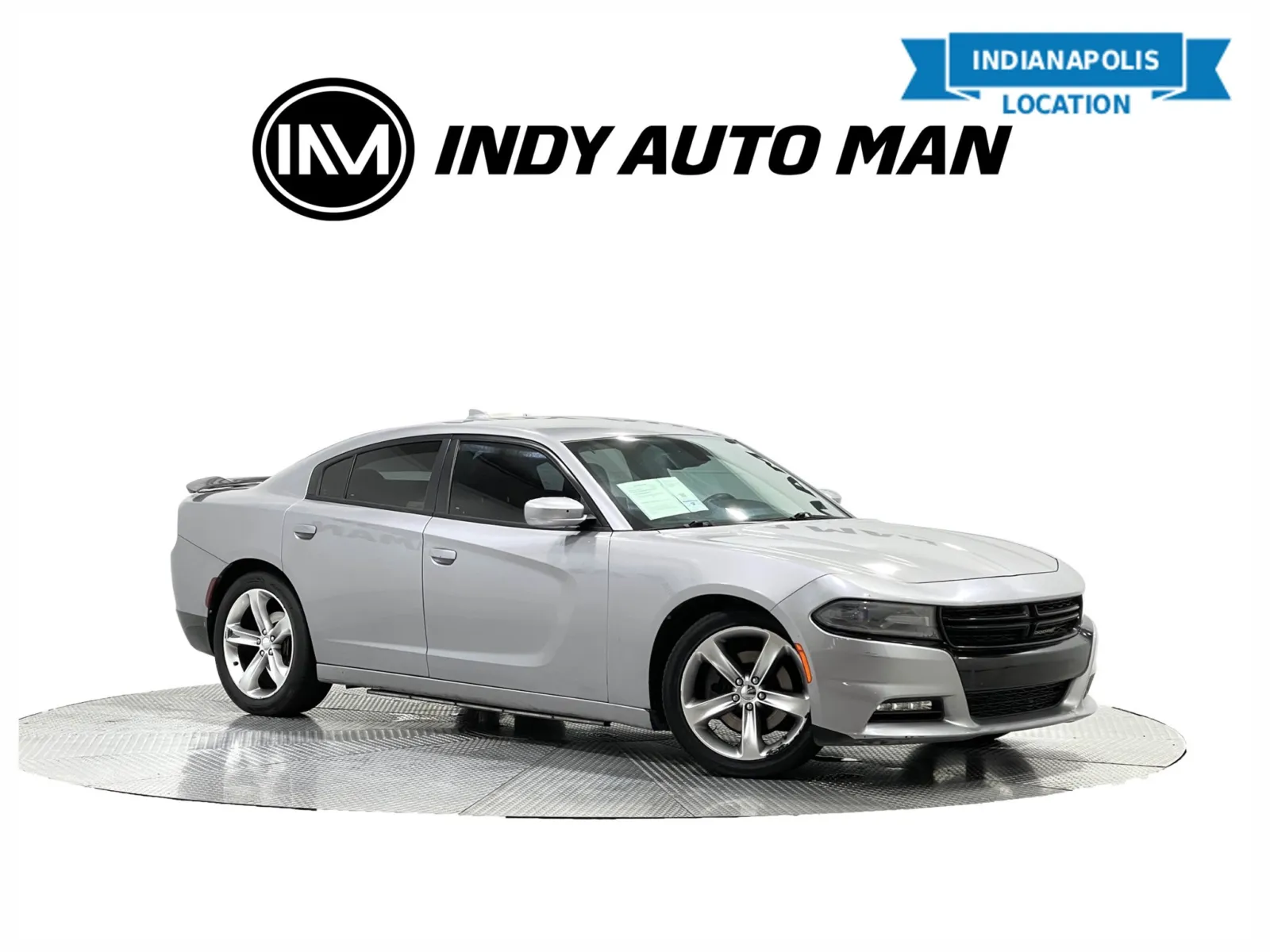
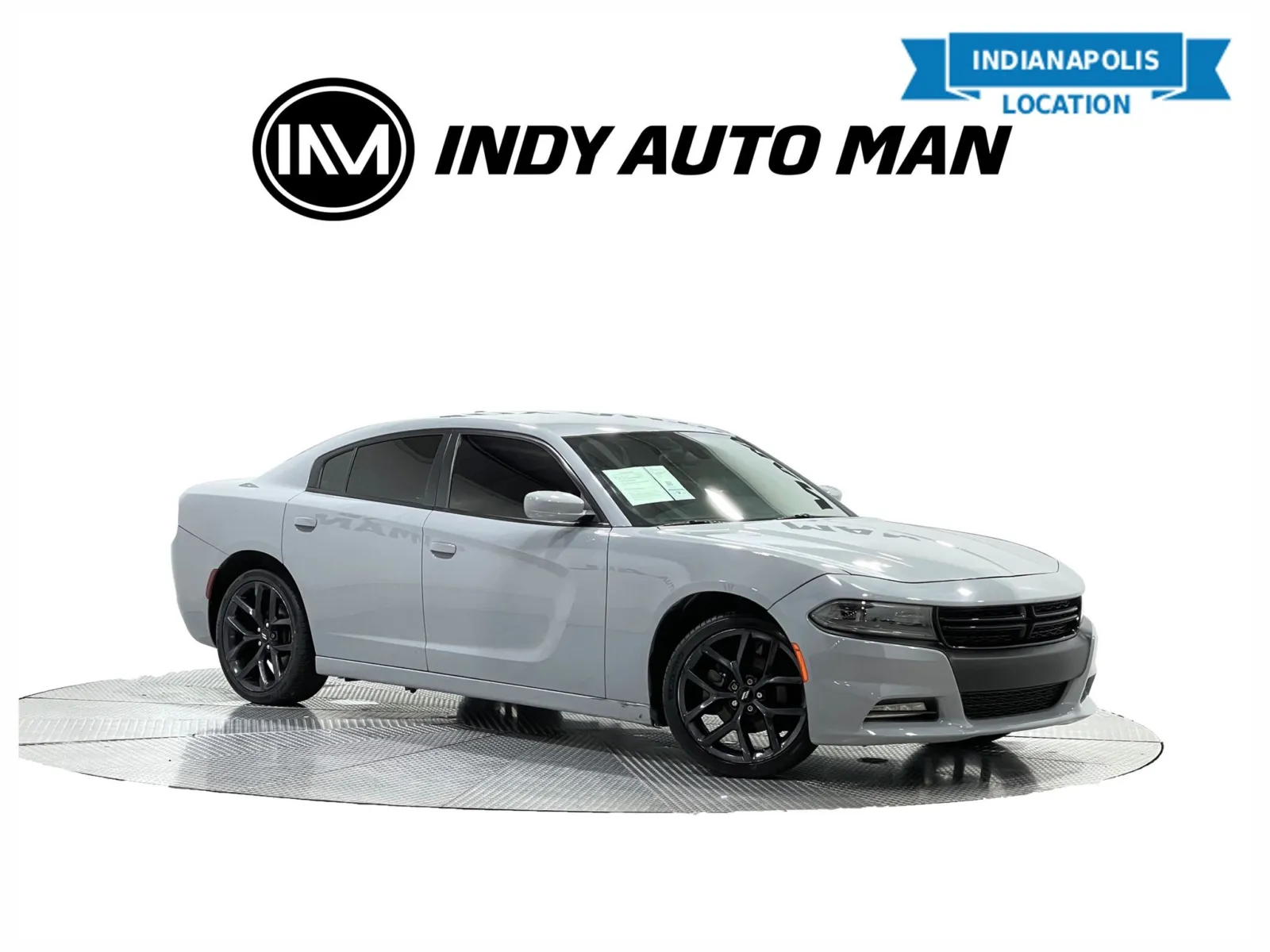
The Dodge Charger and Challenger: The Legend of American Muscle Cars
Table of Contents
- A brief history of two icon sport cars: Charger vs. Challenger
- Which is faster, the Dodge Challenger or Charger?
- 2020 Dodge Charger vs. Challenger: Key specs at a glance
- Modern Dodge trim levels and engine options
- Which one should I choose if I prefer a manual transmission?
- Why the Charger and Challenger demand respect
- Which is more practical: the Dodge Charger or Challenger?
- Tips for driving a Dodge muscle car safely
- Which has better resale value: Challenger or Charger?
- Dodge Charger or Challenger: Which sports car to buy used in Indiana?
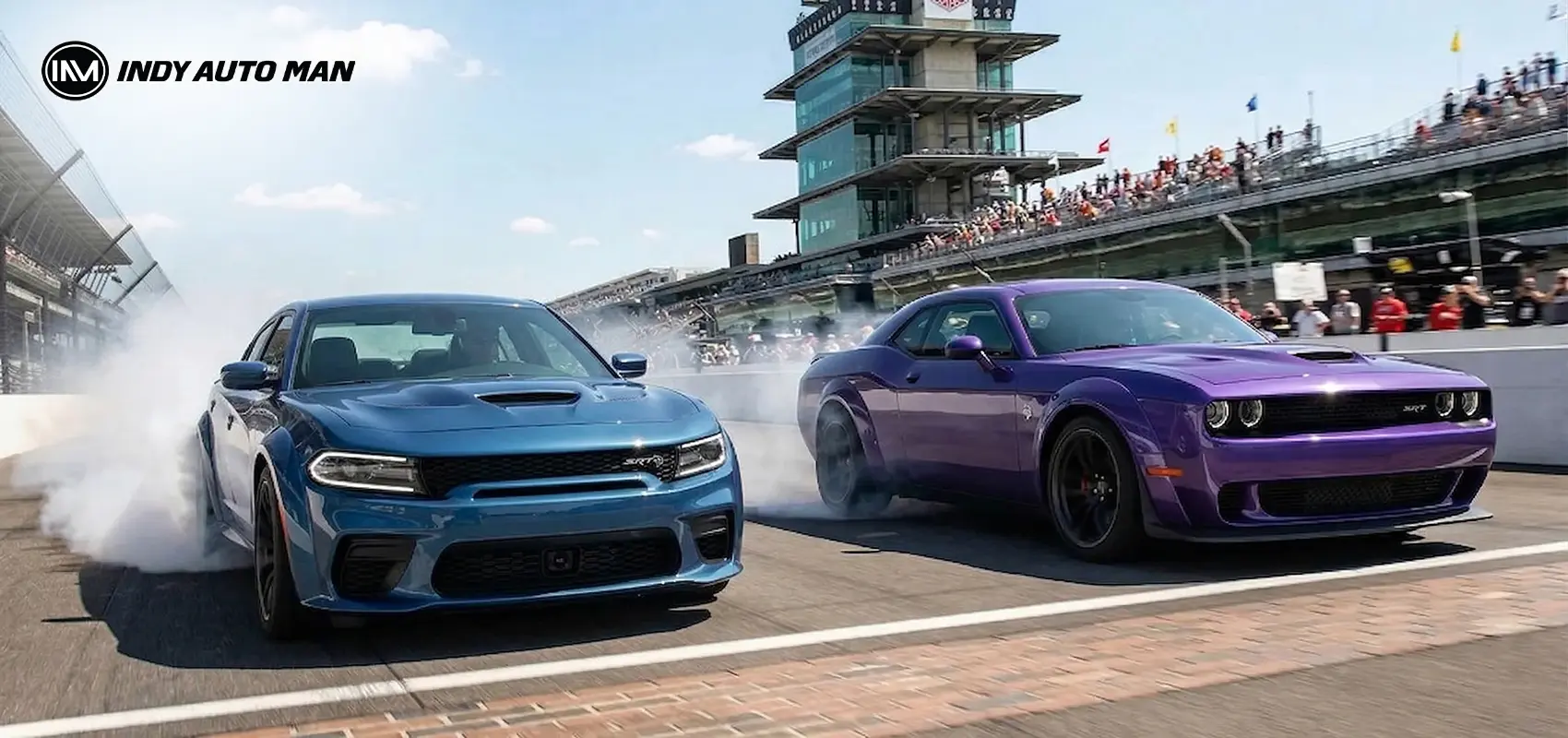
The Dodge Challenger and Charger are two of the most enduring legends in the story of American muscle cars. They embody a philosophy that’s raw, fearless, and distinctly American - immense power, captivating dynamics, and unmistakable presence. Few cars capture the blend of heritage and adrenaline quite like these two icons.
Let’s look closer at how these two legends differ - the Charger vs. Challenger - and what makes each of them unforgettable.
A brief history of two icon sport cars: Charger vs. Challenger
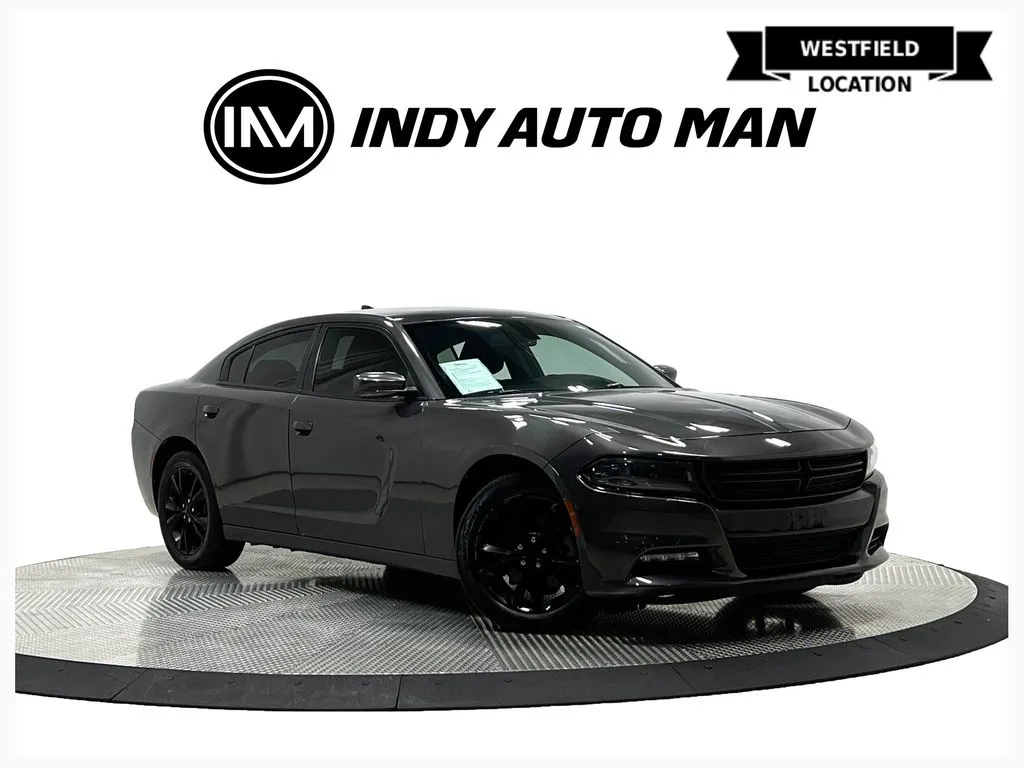
The Dodge Charger first arrived in 1966 as a bold two-door sports coupe. With its fastback silhouette, high-output V8 engines, and confident styling, it quickly became the face of late ’60s American performance culture. After several celebrated generations, production paused in the late 1970s, marking the end of an era.
In 2006, the Charger came roaring back — this time as a four-door performance sedan built on the LX platform. The comeback blended practicality and family comfort with the soul of a true muscle machine, igniting a new wave of modern American performance.
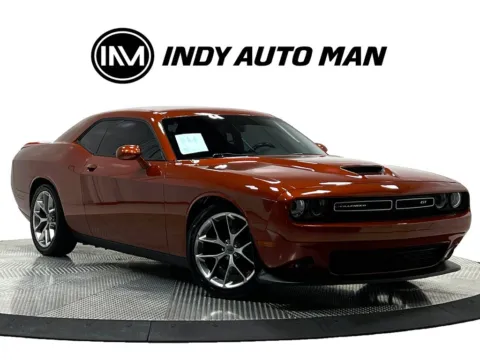
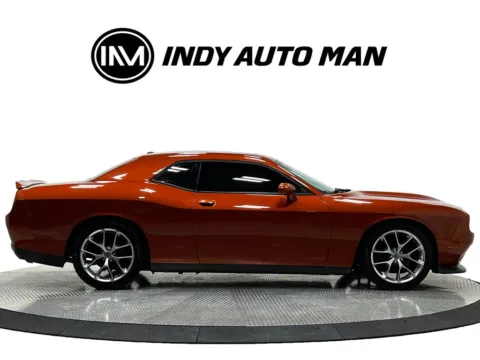
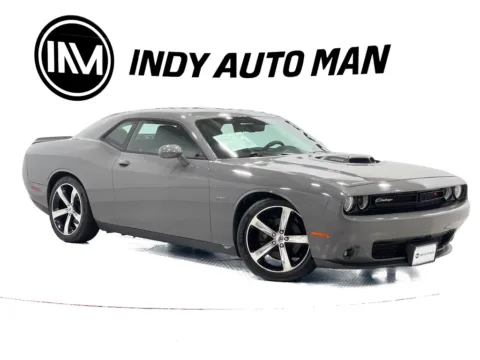
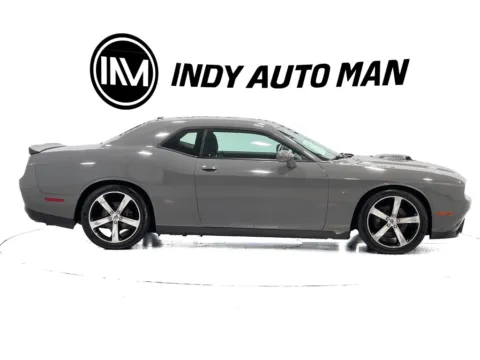
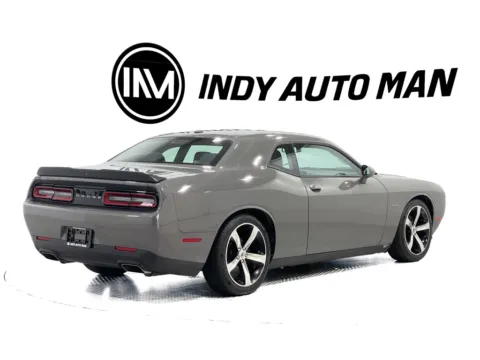
The Dodge Challenger joined the pony-car wars in 1970, squaring off against the Ford Mustang and Chevrolet Camaro. Its long, low profile and available big-block HEMI engines made it an instant icon. Although its first life was short-lived, ending in 1974, the Challenger returned in 2008 as a muscular retro-inspired coupe, rekindling the pure two-door spirit of classic muscle.
Which is faster, the Dodge Challenger or Charger?
The Dodge Challenger, especially in Hellcat and Redeye trims, is slightly faster due to its lighter weight and aerodynamic design. However, the Charger’s four-door layout doesn’t lag far behind - both sprint from 0–60 mph in around 3.5 seconds in high-performance trims.
2020 Dodge Charger vs. Challenger: Key specs at a glance
| Specification | 2020 Dodge Charger | 2020 Dodge Challenger |
|---|---|---|
| Body Style | 4-door sedan | 2-door coupe |
| Base Engine | 3.6L Pentastar V6 (292 hp) | 3.6L Pentastar V6 (305 hp) |
| Top Engine Option | 6.2L Supercharged HEMI V8 (717–797 hp) | 6.2L Supercharged HEMI V8 (717–807 hp) |
| Transmission | 8-speed automatic | 6-speed manual or 8-speed automatic |
| Drivetrain | RWD or available AWD (V6 trims) | Primarily RWD (AWD in base trims only) |
| 0–60 mph (Hellcat Redeye) | ~3.6 seconds | ~3.4 seconds |
| Curb Weight | ~4,400 lbs | ~4,200 lbs |
| Passenger Capacity | 5 passengers | 5 passengers |
| Trunk Space | Approx. 16.5 cu.ft | Approx. 16.2 cu.ft |
| Overall Character | Practical muscle with four-door utility | Pure retro driving with classic flair |
Modern Dodge trim levels and engine options
- Base versions: Usually powered by the 3.6L Pentastar V6, balancing real-world fuel economy with just enough muscle to keep every drive exciting.
- R/T: Classic 5.7L HEMI V8 (around 375 hp), marking the traditional entry point into serious muscle territory.
- Scat Pack / 392: The 6.4L naturally aspirated HEMI V8 (around 485 hp) delivers responsive power and head-turning acceleration.
- SRT Hellcat: The 6.2L supercharged V8 producing over 700 hp offers legitimate supercar performance without the supercar price tag.
- SRT Hellcat Redeye / Widebody: For drivers who believe there’s no such thing as too much power, these versions push horsepower to nearly 800.
- Challenger SRT Demon (Limited 2018): With up to 840 hp using special fuel, this drag-strip masterpiece remains one of the most extreme production cars ever built.
- Transmissions: The smooth-shifting 8-speed TorqueFlite automatic comes standard, while manual transmissions remain available on select Challenger trims for purists who relish full control.
Which one should I choose if I prefer a manual transmission?
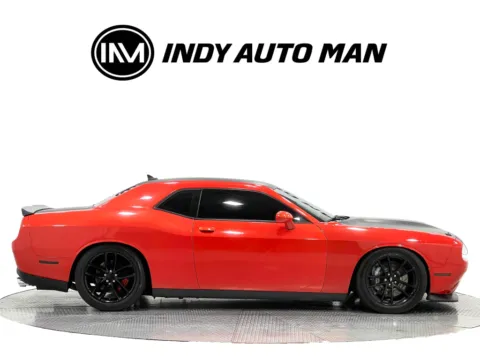
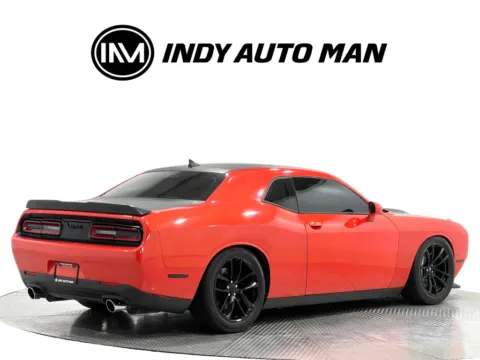
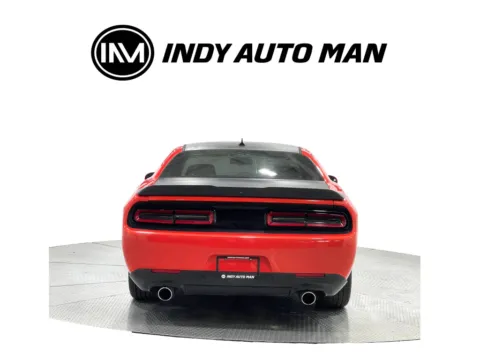
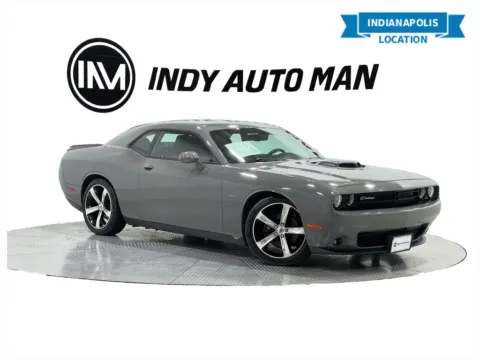
Go for the Dodge Challenger. It still offers a manual gearbox in several trims, giving purists a direct connection with the engine. The Charger, on the other hand, comes exclusively with an automatic transmission.

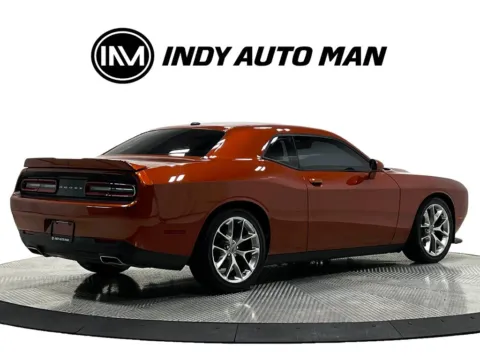
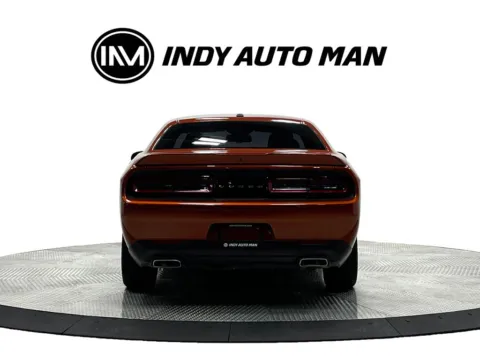

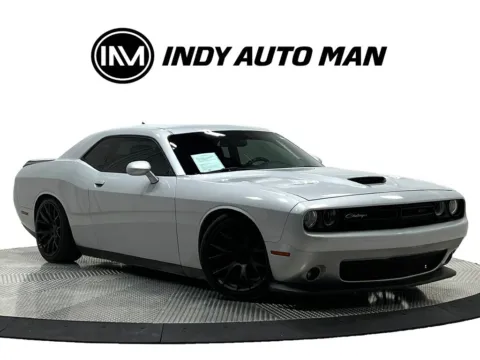
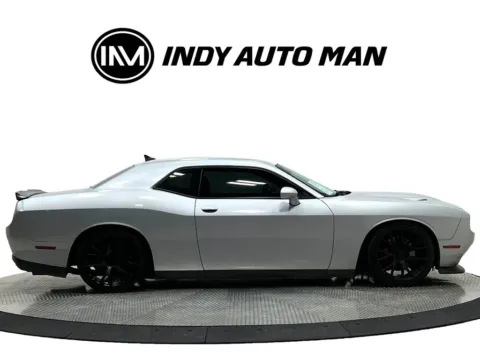
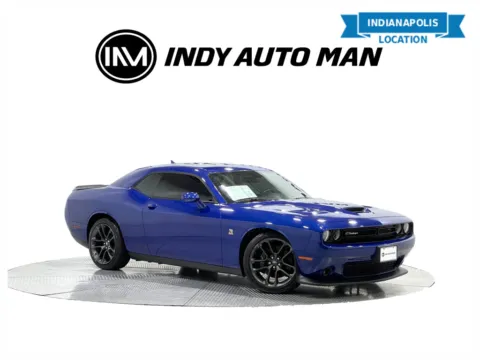
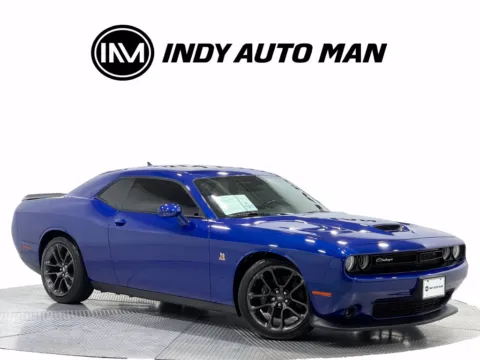
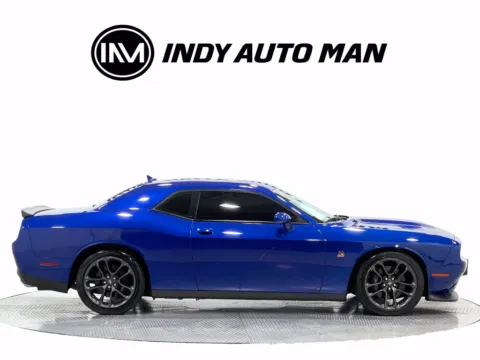
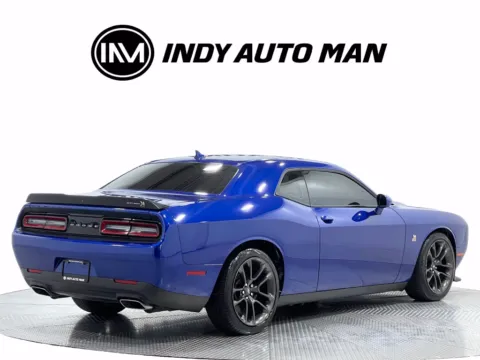
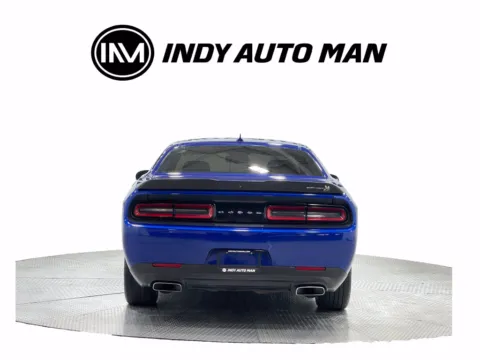
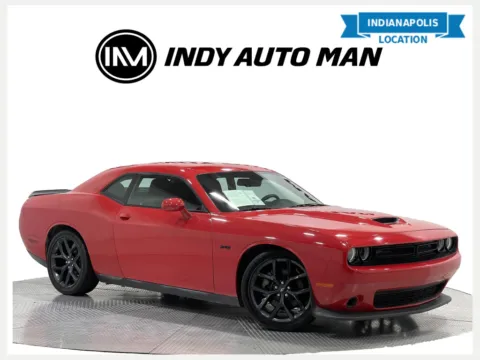
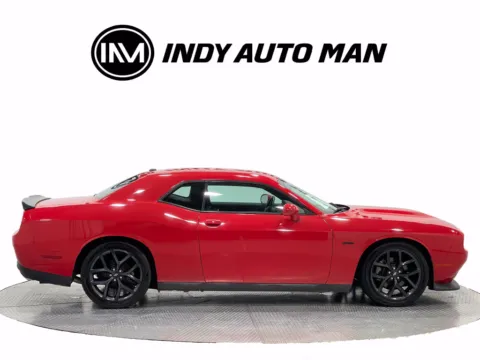
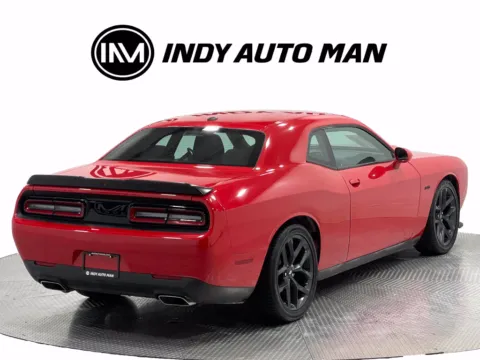
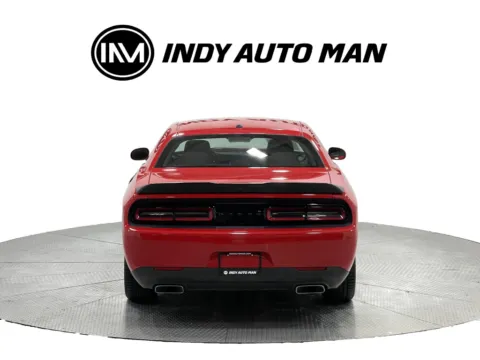
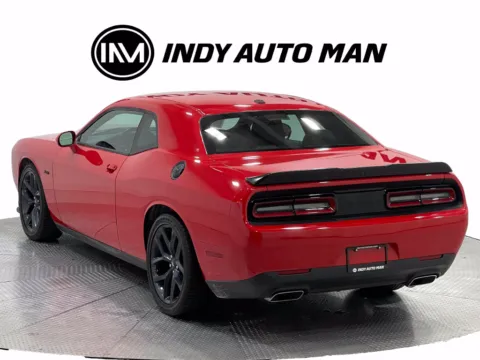
Why the Charger and Challenger demand respect
Both the Dodge Charger and Dodge Challenger can deliver breathtaking performance — but they reward respect as much as ambition. Here’s where even skilled drivers must stay alert:
- Power beyond reason: Even the “entry-level” V8 variants deliver serious acceleration. Push a Hellcat too hard too soon, and it can unleash more power than most drivers are prepared for.
- Rear-wheel drive precision: Sending all that muscle to the back wheels makes for thrilling corner exits — and slippery surprises on cold or wet roads.
- Size and mass: At over two tons, these Dodges feel planted but require more room to brake and turn sharply than smaller sports cars.
- Control vs. chaos: While modern traction and stability systems are highly advanced, turning them off can expose even experts to the wild side of raw torque.
- The confidence trap: The sound of a HEMI and the car’s bold stance can give drivers a false sense of mastery. The best owners learn early that control is earned, not assumed.
- Tuning changes everything: Chip tunes, suspension mods, and tire swaps can improve track performance but make the car less predictable on daily commutes.
- Ownership costs: High power brings higher fuel, maintenance, and insurance costs, and reckless driving often invites legal trouble.
Which is more practical: the Dodge Charger or Challenger?
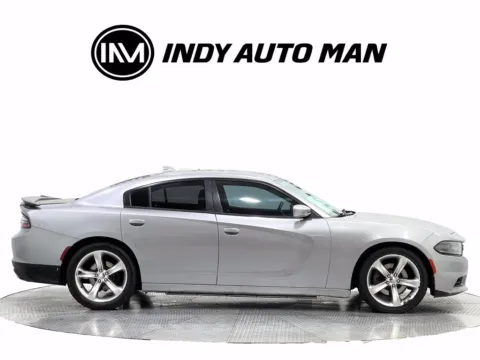
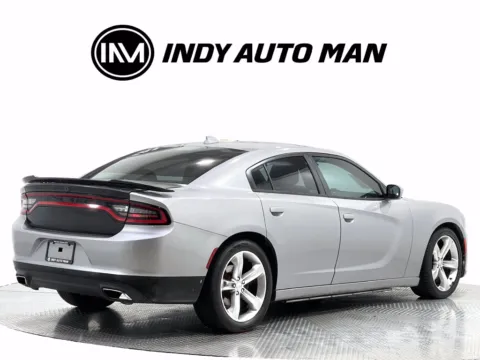
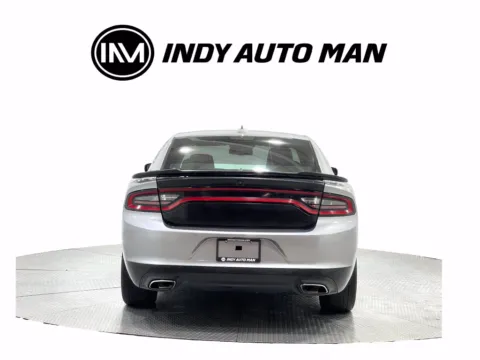
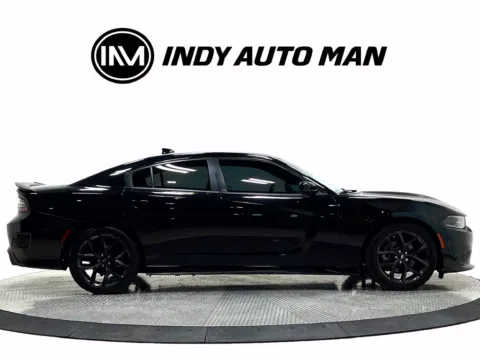
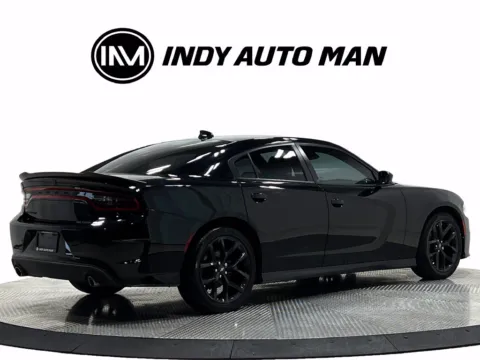
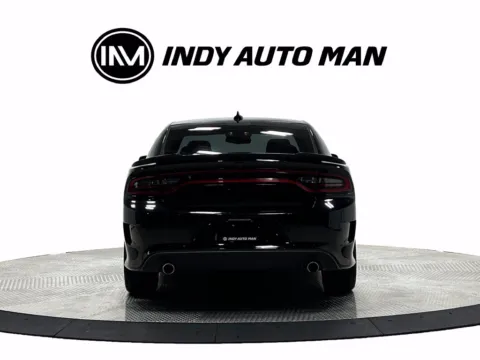
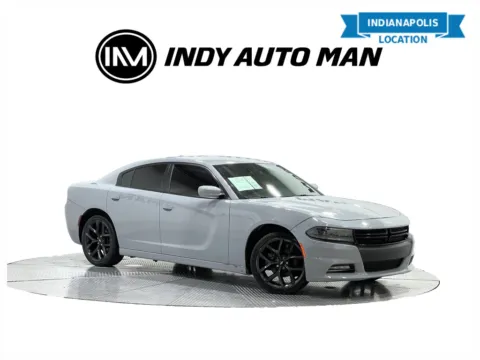
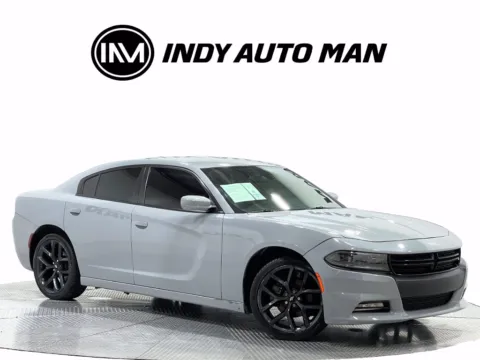
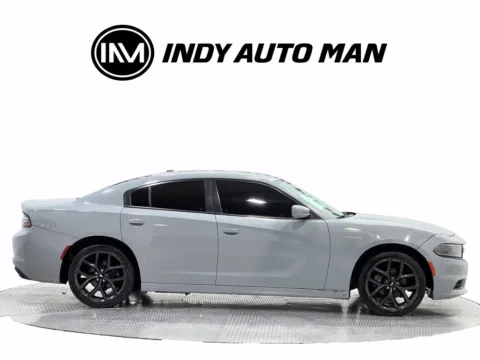
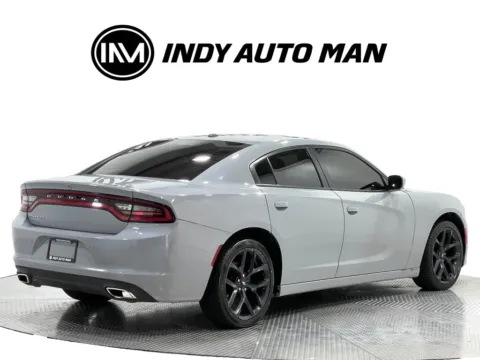
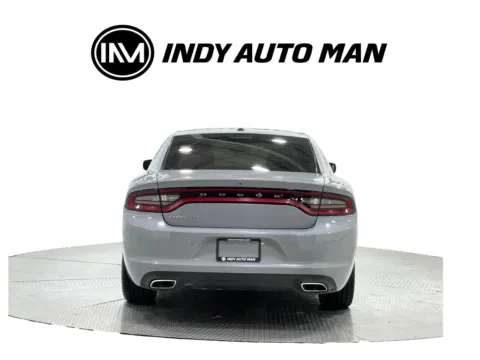
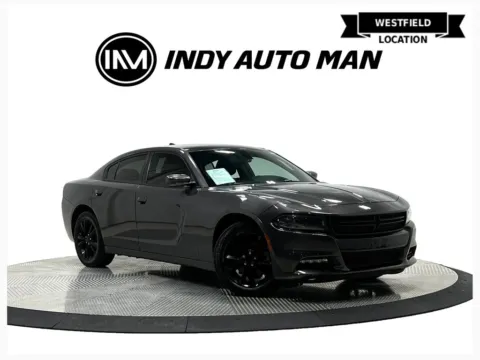
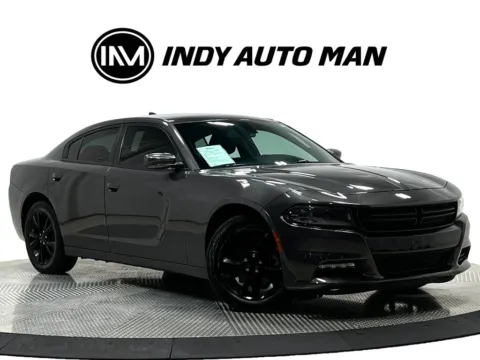
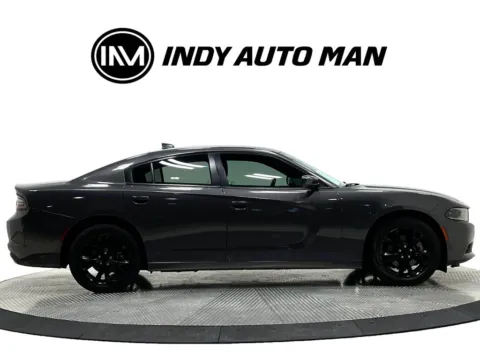
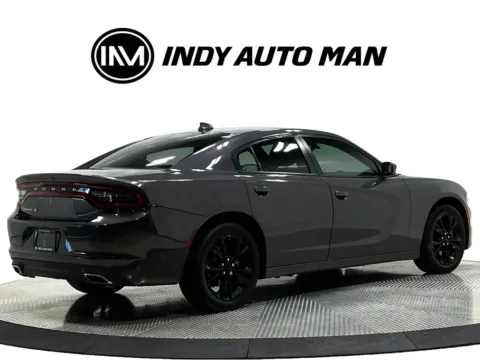
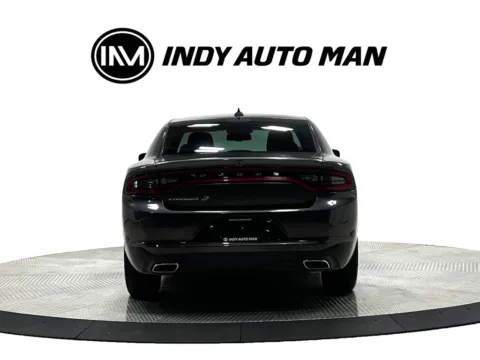
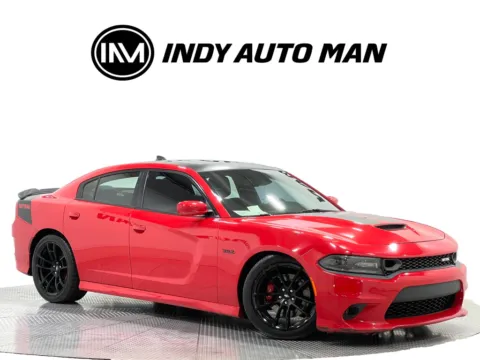
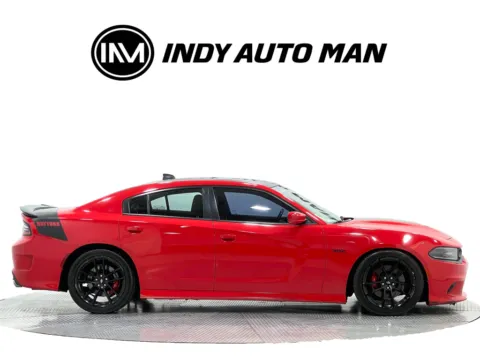
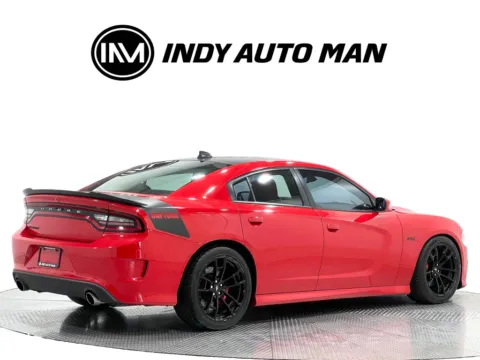
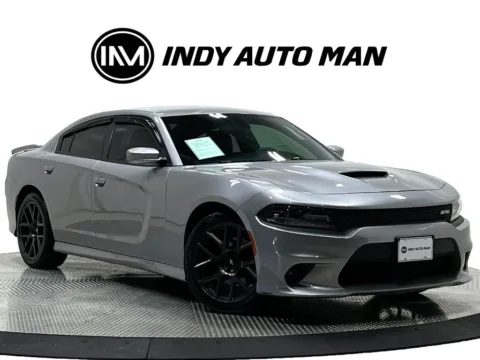
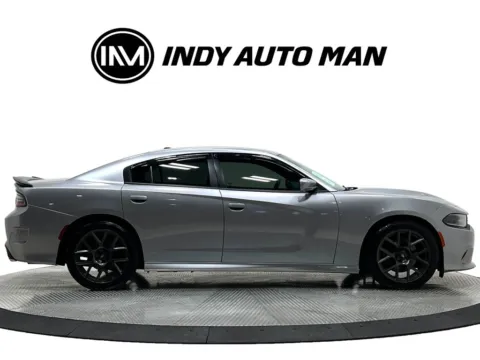
The Charger wins on practicality. It offers four full-sized doors, roomier rear seating, and easier access for passengers and luggage, making it ideal for those who want power and daily usability.
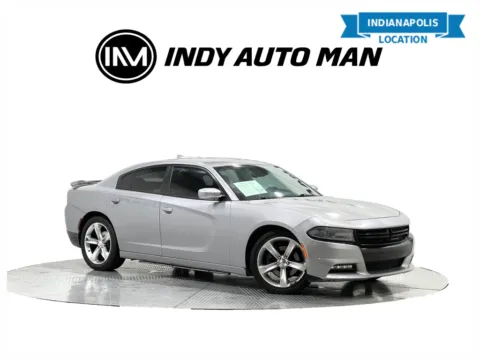
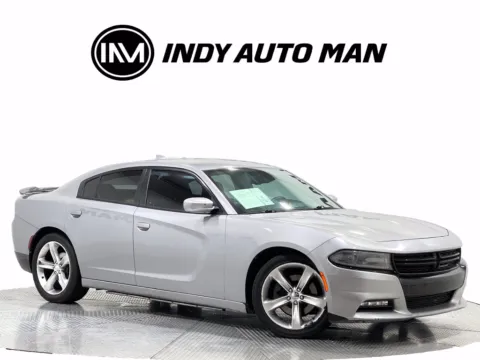




Tips for driving a Dodge muscle car safely
- Learn from the experts: Take a dedicated rear-wheel-drive or track handling course.
- Use assist systems smartly: Keep traction and stability control active for daily drives.
- Invest in proper tires: Match your tires to your rims and to seasonal conditions for maximum safety and grip.
- Start gradually: Begin with a mid-tier trim, such as the R/T or Scat Pack, before tackling extreme versions like the Hellcat.
- Stay disciplined: Keep the powerful launches on track and respect speed limits on public roads.
- Maintain regularly: Suspension, braking, and tire health are key to keeping these cars predictable and safe.
Which has better resale value: Challenger or Charger?
Both carry solid resale strength thanks to loyal fan communities and limited-run variants. The Challenger, however, often edges ahead with collectors, especially in configurations like the Hellcat, Redeye, and rare edition models that celebrate Dodge heritage.
Dodge Charger or Challenger: Which sports car to buy used in Indiana?
If you’re shopping for a used Dodge Charger or Challenger, both stand as exceptional choices for drivers ready to experience authentic American muscle car:
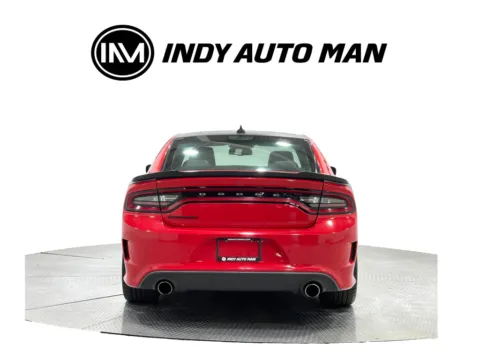
- The Charger is the muscle sedan built for real life.
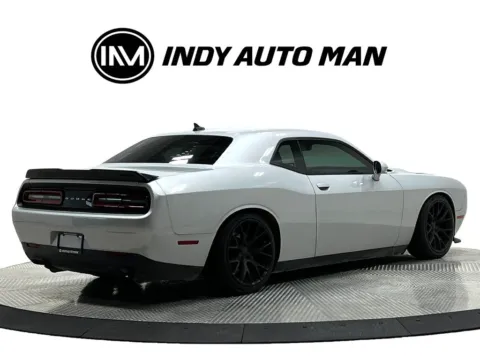
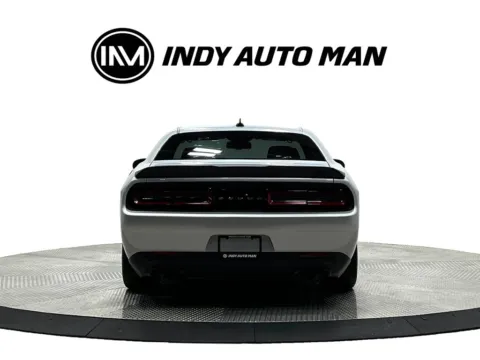
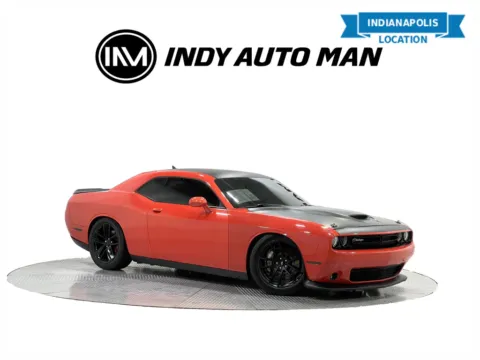
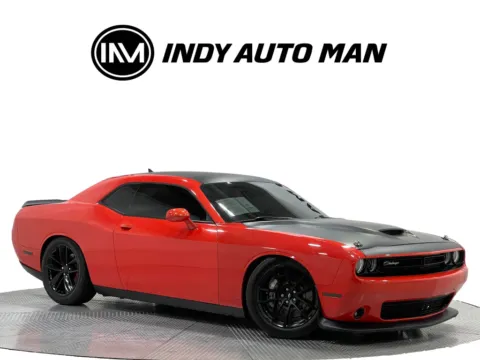
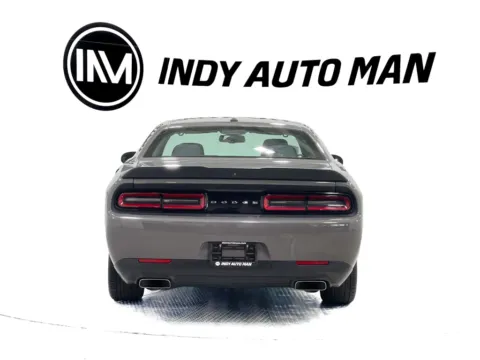
- The Challenger captures the look, feel, and sound of old-school power reimagined for today.
Driven with respect and skill, both provide one of the most exhilarating rides you can buy in Indianapolis or Westfield. Schedule your test drive at Indy Auto Man and feel who you are behind the wheel, what you value, and how deeply you love the drive.