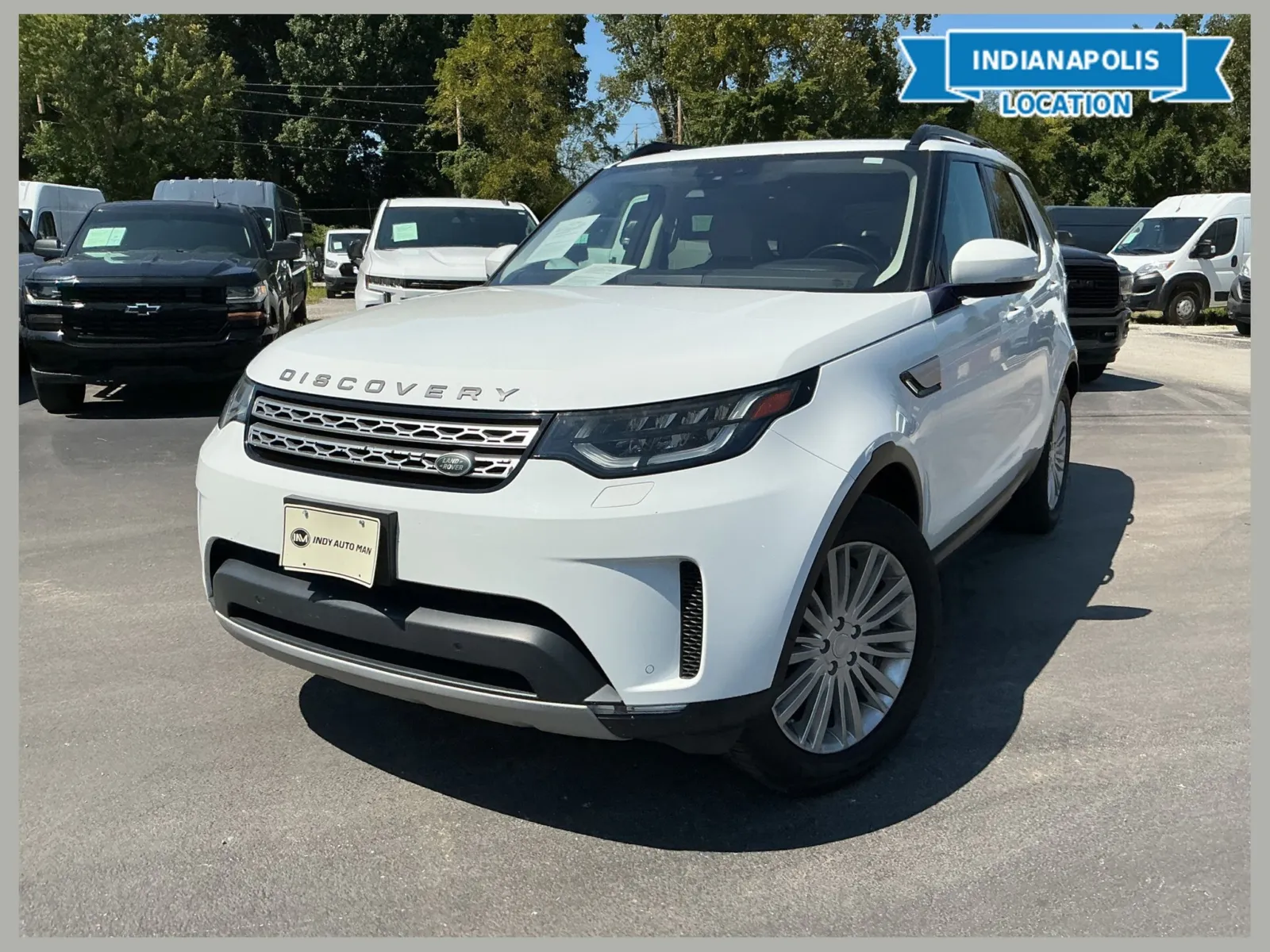
Land Rover Discovery vs. Range Rover: Which One Fits Your Adventure?
Table of Contents
- Land Rover space and practicality: room to move vs. room to lounge
- How do the Range Rover and Discovery compare for family use?
- How they drive: tough meets plush
- Which SUV is better for off-roading: Range Rover or Discovery?
- Ownership real talk: engines, suspension, and maintenance costs of Discovery vs. Land Rover
- Build quality and durability
- What you can expect to pay in Indiana’s used market for the Discovery and Range Rover
- Is the higher price of the Range Rover worth it compared to the Discovery?
- Wrapping up the Range Rover vs. Discovery debate

When you are in the market for a luxury SUV that can handle both city streets and rugged trails, the Land Rover Discovery and Range Rover always come up in the conversation. These two British icons share a heritage of toughness and class, yet serve pretty different purposes. The 2025 models make the differences even clearer, whether you are after rugged practicality or refined luxury. Let’s break down what makes each Rover special by digging into their design, space, driving feel, off-road chops, and what Land Rover ownership looks like in the Indiana used car market.
Land Rover space and practicality: room to move vs. room to lounge
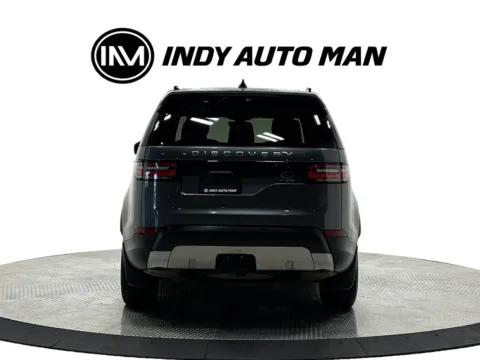
First, the Discovery stands out for sheer practicality. Its cargo area isn’t just big; it’s smartly shaped and ready for anything. Loading your gear in this Land Rover is a breeze thanks to a wide side-hinged rear door that swings out, unlike the usual liftgate on most SUVs. The Discovery also offers a handy seven-seat option, perfect for larger families or groups planning to bring more friends along for the ride.
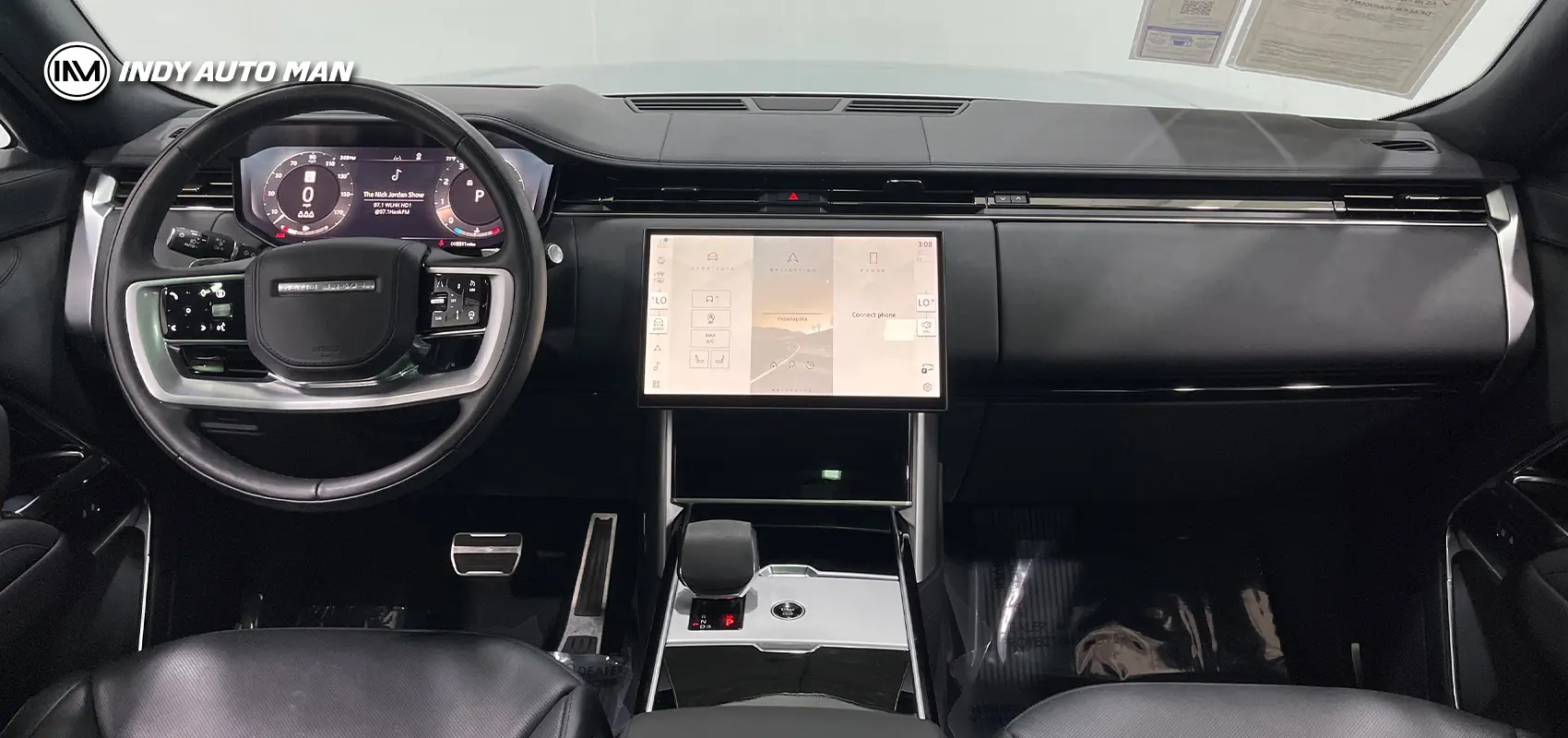
Inside, the rear seats are comfy and spacious, but don’t be surprised if squeezing through those rear doorways gives you a bit of a challenge. The door openings are narrower than some would hope, making climbing in and out a bit tricky, especially if you’ve got kids or older passengers. Still, the Discovery cabin blends rugged durability with tasteful touches - think open-pore wood accents and quality leather without feeling overly flashy. The tech is sharp too, with an 11.4-inch touchscreen running Land Rover’s Pivi Pro system, keeping you connected on or off the beaten path.

The Range Rover, meanwhile, feels like stepping into a luxury lounge on wheels. Its interior is wrapped in buttery soft leather and finished with polished wood and metal detailing that shines with subtle elegance. Though it looks a bit smaller on the outside than the Discovery, Land Rover’s unibody design means the inside is surprisingly roomy with wide door openings and a flat backseat floor for comfortable legroom and easy entry.
The Range Rover trunk is generous but features a split tailgate - the rear glass lifts up while the metal section folds down. It’s not the simplest design when you’re loading big or awkwardly shaped cargo, but it doubles as a handy picnic table or platform for long items you want to carry. So whether it’s grocery runs or outdoor gear, both Rover SUVs provide plenty of space, just with slightly different approaches.
How do the Range Rover and Discovery compare for family use?
The Discovery generally suits families better thanks to its standard seven-seat layout and more spacious rear cargo area. The Range Rover also offers seven-seat options but focuses more on passenger comfort with luxurious leather upholstery, adjustable seating, massage functions, and personalized climate control.
How they drive: tough meets plush
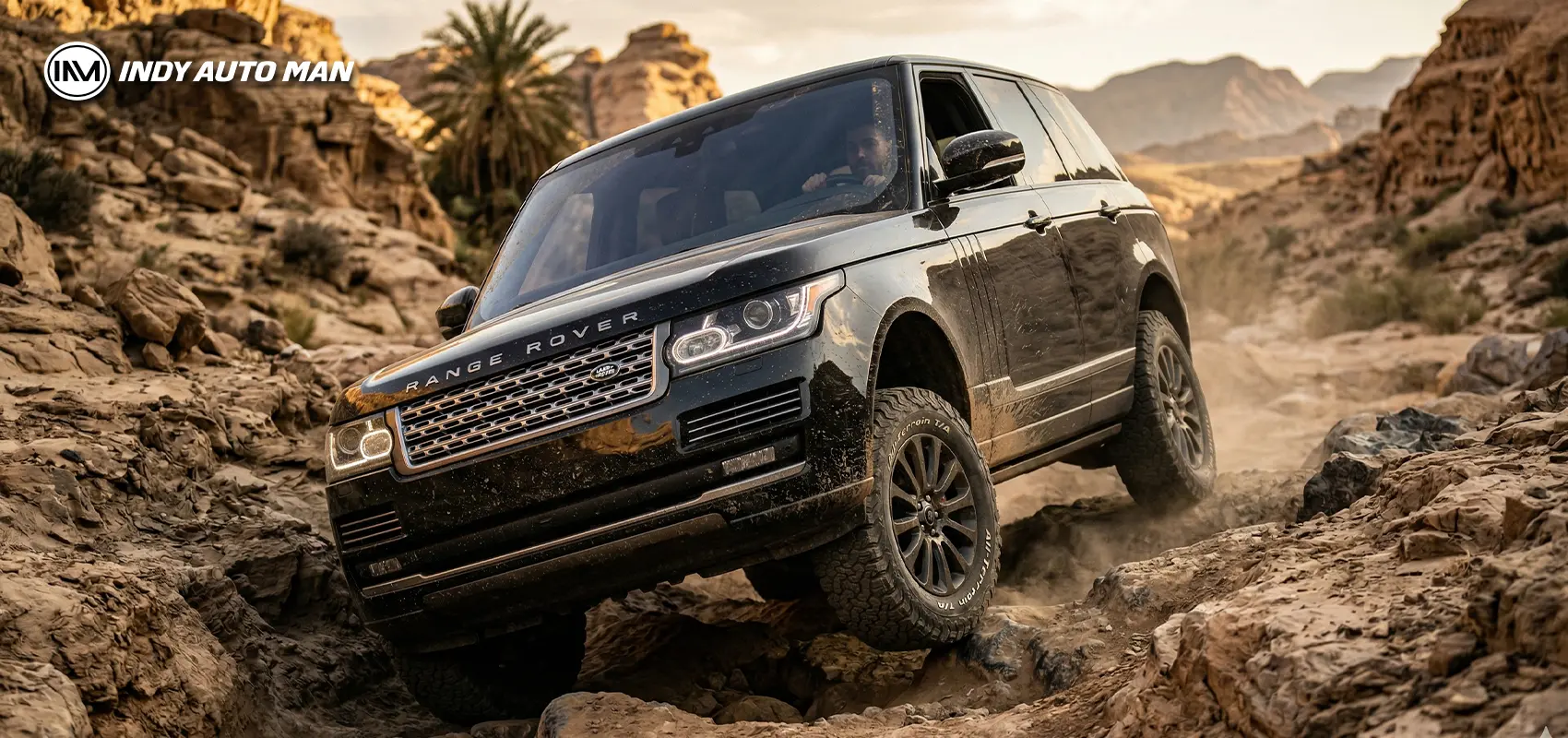
If you’re tuning into “Range Rover vs. Discovery” debates, driving feel plays a huge role. The Range Rover has a driving position that’s hard to beat: seats are high and the windows low, offering a commanding, panoramic view of the road or trail ahead. It’s a vehicle that makes you feel like the king of the road. Underneath, sophisticated air suspension adjusts on the fly, lowering for smooth highway cruising and lifting to clear obstacles off-road, striking a perfect balance between comfort and capability.
Under the hood of this Rover, you’ll find a mix of engines that pack a punch: a 3.0-liter mild-hybrid inline-six with 395 horsepower, a beastly 4.4-liter twin-turbo V8 that hits 523 horsepower, and a plug-in hybrid variant that gives you some all-electric miles without sacrificing muscle. The Range Rover also boasts some cutting-edge tech like active differentials, all-wheel steering, and Terrain Response 2 to keep the drive smooth over any terrain.
The Discovery plays a tougher, more no-nonsense game. Its coil-spring suspension - with optional rear air springs - leans into reliability and durability, perfect for those who want less fuss and fewer expensive repairs down the road. It’s got the same Terrain Response 2 system, hill descent control, and other off-road-friendly features, making it a serious contender over muddy trails or rocky hills. The 3.0-liter turbocharged inline-six diesel engine delivers torque and efficient off-road grunt, paired with an 8-speed automatic transmission that handles both highway cruising and technical terrain confidently.
If you’re more about getting where the pavement ends with confidence than floating over city potholes, the Discovery’s practical setup is a friend you can count on. Plus, its ruggedness makes it a favorite for adventurers who want versatility without all the bells and whistles.
Which SUV is better for off-roading: Range Rover or Discovery?
Both the Range Rover and Discovery boast serious off-road capabilities, including Terrain Response 2, adjustable air suspension, and advanced four-wheel-drive systems. The Discovery leans more toward rugged practicality with its coil-spring suspension and slightly higher towing capacity. The Range Rover, while equally capable off-road, adds luxury features like all-wheel steering and electronic active differentials, providing a smoother and more refined off-road experience for Indiana drivers.
Ownership real talk: engines, suspension, and maintenance costs of Discovery vs. Land Rover
Here’s where deep-diving into “Range Rover vs. Discovery” gets real. Let's check it with the assistance of Indy Auto Man dealership technicians.
The Discovery’s diesel engine has a reputation for toughness, designed with off-roaders in mind. There’s a quirk - the fuel filter sits near the right rear wheel well, which in colder climates can cause freezing unless you’re proactive about using anti-gels or moving the filter. Aside from that, the Discovery’s simpler mechanical setup means easier, less costly upkeep.
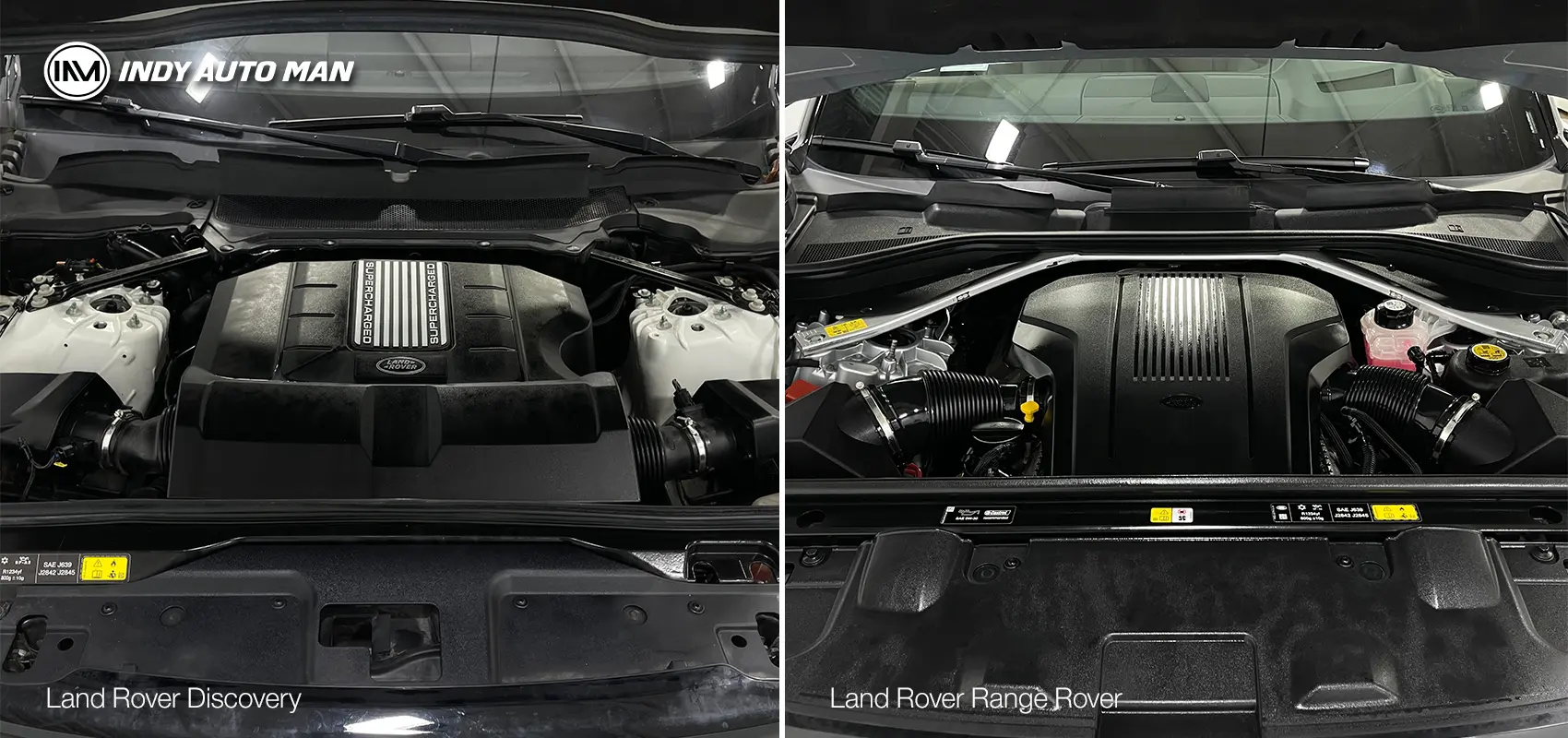
The Range Rover’s air suspension delivers an air of luxury and adjustability, but it isn’t cheap to repair if things go wrong. Proper maintenance is key to keeping those pricey components operable for 200,000 to 250,000 miles, but it’s a gamble if you’re planning extended off-road use. Engines in this Rover model also demand close attention; the high-performance V8s, while thrilling, are known to overheat under heavy use, especially in tough off-road conditions.
Both Land Rover compared vehicles share some maintenance headache territory as well: common suspension wear items like tie rod ends typically need replacement around every 30,000 to 50,000 miles. Whether you lean toward luxury or practicality, know that keeping either SUV in top shape will come with some expenses.
Read also: Land Rover vs. Jeep.
Build quality and durability
Both Land Rover Discovery and Range Rover use a smart mix of aluminum and steel to keep things strong and relatively light. The Discovery favors more aluminum, which stubbornly resists rust if the protective coatings remain intact. If steel and aluminum meet on a damaged panel, galvanic corrosion sets in quickly and can turn metal parts brittle and weak. Therefore, regular anti-rust treatments and prompt repairs to body damage are essential for keeping these vehicles on the road longer.
What you can expect to pay in Indiana’s used market for the Discovery and Range Rover
For someone shopping for one of these SUVs in Indiana, here’s the real deal. The 2025 Land Rover Discovery hits the used market at around $48,000 to $62,000, with prices varying based on trim, mileage, and condition. The Range Rover’s price tag stretches higher, with 2025 models typically ranging from $85,000 to $110,000, reflecting its prestige and loaded features.

So, depending on your budget and priorities, you could have a capable and versatile Discovery ready for family road trips and trail days, or a sleek Range Rover that delivers luxury and power every time you hit start.
Is the higher price of the Range Rover worth it compared to the Discovery?
If luxury, top-tier technology, and powerful engine options matter most to you, then the Range Rover’s premium price tag offers value. However, the Discovery provides strong capability, comfortable space, and rugged reliability at a noticeably lower cost.
Wrapping up the Range Rover vs. Discovery debate
Both the 2025 Discovery and Range Rover bring serious strengths to the table. The Discovery’s got the space, utility, and rock-solid build for those who want an SUV that works as hard as they do: family by day, adventure off-road by weekend. The Range Rover delivers that unbeatable mix of comfort, cutting-edge tech, and luxury styling to please those who want to turn heads without sacrificing capability.
When it comes to choosing between the two Rovers, it boils down to what kind of SUV experience you want. The Discovery leans into function with a side of style - rugged, practical, and ready for the extra passengers and cargo.
The Range Rover favors form and finesse, creating a high-end cabin you never want to leave, with the grunt to back it up when you do.
Either way, you’re getting a piece of British SUV royalty that knows how to handle rough terrain and city streets of Indianapolis with equal grace.








$297/mo





$380/mo




$335/mo




$379/mo




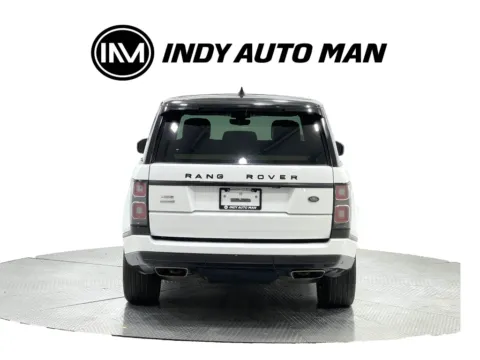
$400/mo




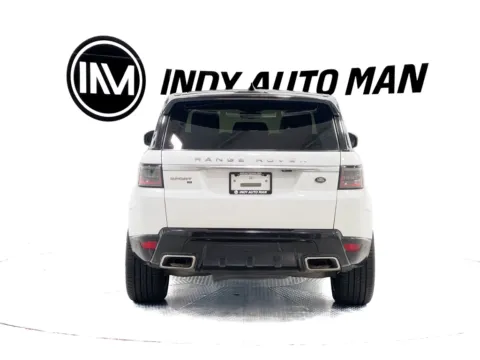





$409/mo




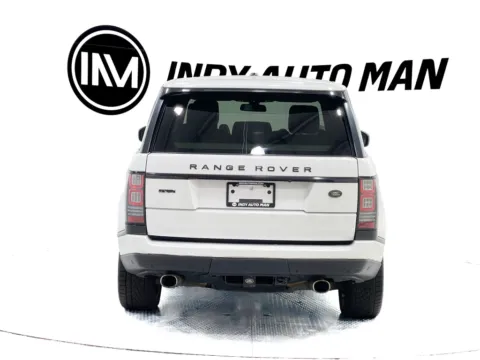
$274/mo




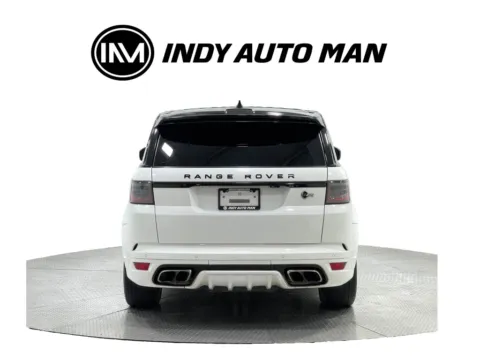




$387/mo




$280/mo









$603/mo