
Long-Term Auto Loans for Used Cars: Pros, Cons, and Alternatives in Indiana
Table of Contents
- What is a long-term auto loan?
- Pros of long-term loans
- Cons of long-term loans
- Alternatives to long-term auto loans in Indiana
- Shorter-term auto loans
- Is a shorter-term loan always better than a long-term loan?
- Bigger down payment as an alternative to a long-term car loan
- How much should I put down to avoid a long-term loan?
- Leasing a used car
- Is leasing a used car cheaper than taking a long-term loan?
- Cheaper vehicle or near-cash purchase
- Should I buy an older car in cash instead of using a long-term loan?
- How to decide which financing I need?

A long-term auto loan is typically any car loan longer than 60 months, with many lenders offering terms of 72, 84, or even 96 months. Such credit agreements can make a car feel more affordable month to month, but they also increase the total cost of the vehicle for you.
Today, we explain how these loans work and what alternatives exist to help you choose used car financing in Indiana that truly fits your budget and goals.
What is a long-term auto loan?
Long-term auto credits spread the cost of a vehicle over years, reducing the monthly payment pressure but extending the time you stay in debt and usually increasing the total interest paid. Very rarely, a car may be sold at zero interest; mainly, it is relevant to new luxury vehicles. Such terms are a real bargain if the initial car price is not already twice as high as similar cars on the market.
For used car buyers, long terms can be especially tempting because they make newer or higher-trim pre-owned vehicles fit into a tight monthly budget. However, used vehicles also depreciate and age as you drive them. So, stretching payments too far into the future can create risks that the total cost for the used one is super high, and the auto is dramatically overpaid.
Pros of long-term loans
The biggest attraction of a long-term auto loan is a lower monthly payment, because the same principal is spread over more months. This can free up money for other essentials like housing, insurance, and savings, and help keep your budget from feeling tight.
Longer terms can also mean a smaller required down payment and access to a higher approved loan amount. That may allow a buyer to move into a newer model, gain more features, or purchase a car with a higher trim level without bringing a large amount of cash to the table. This is a big reason many shoppers gravitate toward extended credit terms.
Read also: Car loans for students
Cons of long-term loans
The main drawback is total auto credit cost: the longer the term, the more interest you pay over the life of the loan, especially since lenders often charge higher rates on loans beyond 60 months. This can result in paying hundreds or even thousands more for the same used car compared with a shorter term, even when the monthly payment looks attractive.
Extended terms also slow equity build-up, increasing the risk of being “upside-down,” where the loan balance is higher than the vehicle’s value. With used autos, this is a real concern if the car needs major repairs, if warranties expire while you’re still making payments, or if you need to trade out early and end up rolling negative equity into the next car.
Alternatives to long-term auto loans in Indiana
Shorter-term auto loans
Shorter-term loans, usually between 36 and 60 months, pack repayment into fewer years, which cuts the total interest cost. Buyers with stronger budgets often choose these terms to get out of debt faster and build equity more quickly, which can be helpful if you plan to trade or sell the car within a few years.
In return, the monthly payment is higher, and that can strain a budget if income fluctuates or there are other priorities such as paying down credit cards or a mortgage for a house. For some Indiana used car shoppers, the payment difference between, say, 60 and 72 months is what determines whether the purchase feels realistic.
Is a shorter-term loan always better than a long-term loan?
Not always. A shorter-term loan usually costs less in total interest and helps you build equity faster, but the higher monthly payment can put real pressure on your budget if income is tight or unpredictable. A longer-term loan may make more sense if the only way to keep your finances stable is to lock in a lower monthly payment on a reliable used car.
Bigger down payment as an alternative to a long-term car loan
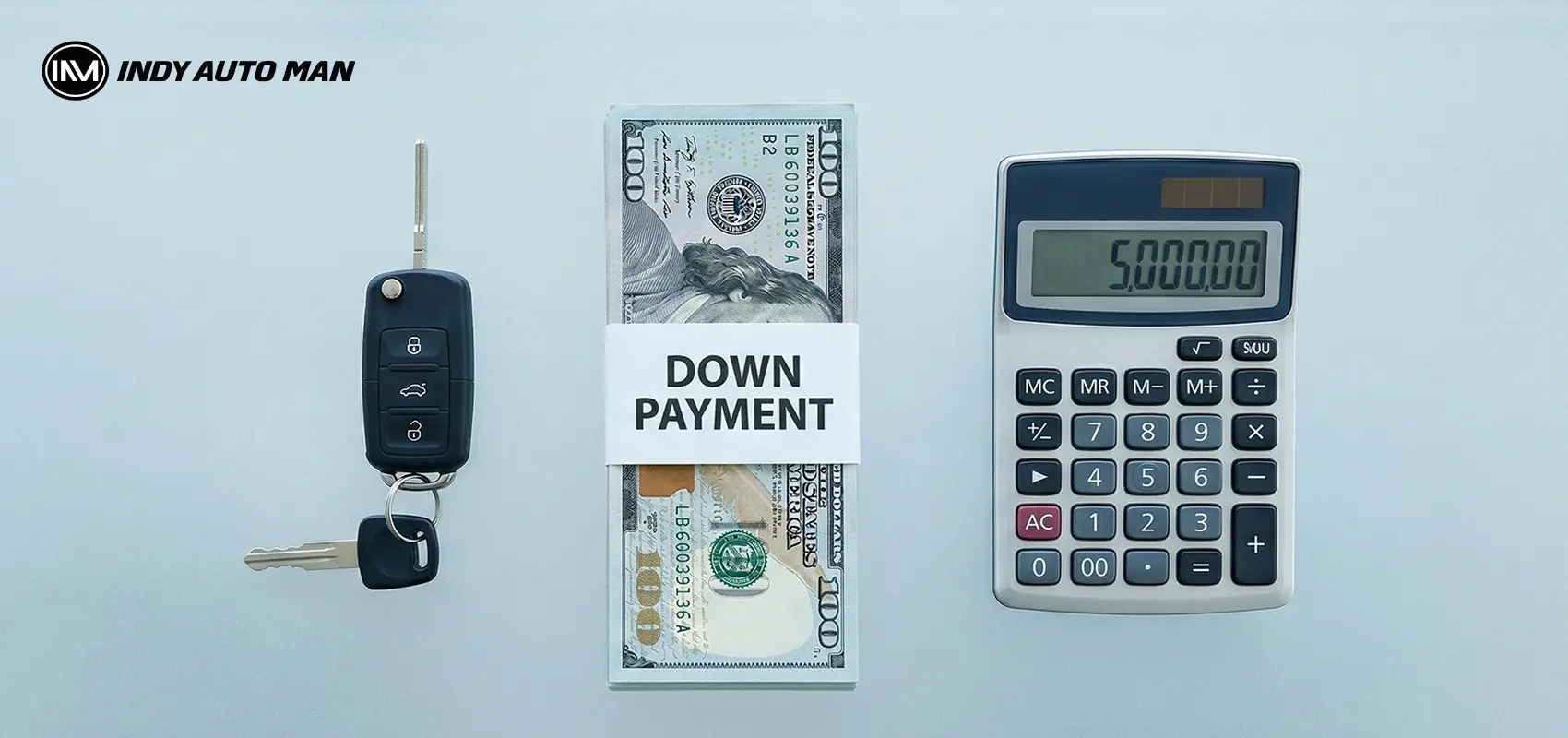
Another alternative to relying on a long-term car loan is increasing the down payment. Putting more money down reduces the amount financed, which lowers both the monthly payment and the total interest over the life of the auto credit. A larger down payment can also help prevent negative equity and make it easier to refinance or sell the vehicle later if needed.
The drawback is that saving up a larger amount for the down payment takes time and cash, which may delay getting into a vehicle or limit what you can keep in an emergency fund. Some buyers take a middle path by choosing a moderate term, such as 60 months, and boosting the down payment just enough to land on a comfortable payment without stretching the auto loan too far.
How much should I put down to avoid a long-term loan?
Indy Auto Man car credit experts suggest aiming for at least 10–20% down on a used car to keep the loan amount manageable and lower the risk of being upside-down. Even if you can’t quite reach that range, every extra dollar you put down can help you qualify for a shorter loan term or a more manageable payment without financing the car for many years.
Leasing a used car
Leasing a used car, when available, can offer a lower monthly payment than many traditional finance contracts for a similar vehicle. This can appeal to drivers who change vehicles often, prefer to stay under warranty, or want to limit their repair risk during the time they drive the car.
However, leasing usually comes with mileage limits and potential end-of-lease charges for excess wear, which reduces flexibility compared with ownership. At the end of the lease, there is typically no equity; you either return the vehicle or buy it at a preset price, so leasing does not build asset value the way paying off a loan does.
Is leasing a used car cheaper than taking a long-term loan?
Leasing a used car often means a lower monthly payment than financing the same vehicle with a shorter-term loan, which can seem cheaper. But the main drawback is that by paying the lease costs, you are not taking any step closer to owning the vehicle. It’s the fixed price for renting the auto with the agreed limitations. And possible wear-and-tear fees mean the overall value depends heavily on how much you drive and how carefully you maintain the vehicle.
Cheaper vehicle or near-cash purchase
Choosing a lower-priced used vehicle and paying in cash or with only a small loan is another strong alternative to a long-term loan. This approach minimizes or eliminates interest, and full or nearly full ownership from the start gives you maximum flexibility to sell, trade, or keep the car as long as you want. For many budget-focused shoppers, driving a slightly older but well-maintained car is a smart trade-off to avoid years of payments.
The downside is that a lower price point may mean higher mileage, fewer features, or a shorter remaining service life, which can increase the risk of maintenance and repairs. Careful inspection and a solid vehicle history report become especially important with this strategy, which is why reputable used car dealers in Indiana, like Indy Auto Man, emphasize thorough reconditioning and transparent histories for budget vehicles.
Should I buy an older car in cash instead of using a long-term loan?
Paying cash (or almost cash) for an older vehicle can be a smart move if you want to avoid interest, stay totally flexible, and keep your monthly expenses low. The disadvantage is that you may have to accept higher mileage or fewer features and budget more carefully for maintenance and repairs compared with a newer used car financed over a shorter term.
How to decide which financing I need?
Deciding how to finance a used car in Indiana is just as essential as choosing the vehicle. The right loan structure can protect your budget, reduce long-term costs, and give you more freedom down the road.
If you are weighing long-term auto loans against shorter terms, bigger down payments, leasing, or buying a cheaper car for cash, address the Indy Auto Man Indiana used car dealer experienced financial consultants. They will help you to compare monthly payments, total interest, and equity over time so you can see what fits your situation best.
Reach out to Indy Auto Man today, online or in-store, to review your budget, explore real payment scenarios, and get pre-qualified before you shop for a reliable car in Indiana.