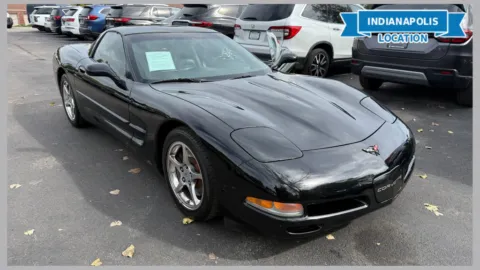
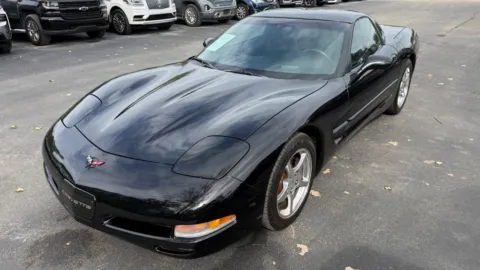
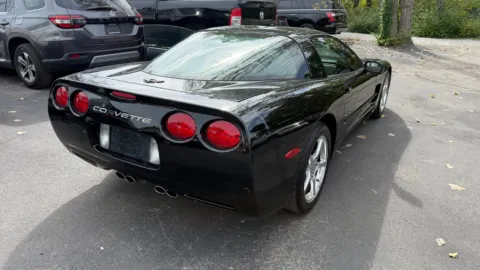
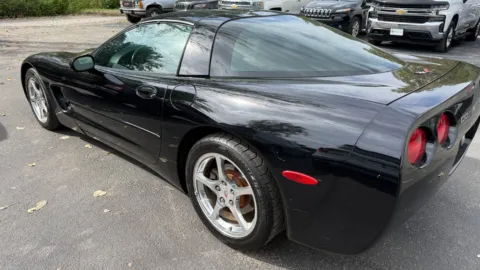
Comparing Manual and Automatic Sports Cars on the Indiana market: What Do Racers Choose?
Table of Contents
- Manual transmissions: Maximum driver control
- Advantages of a manual sports car
- Drawbacks of a manual sports car
- Automatic transmissions: Speed and сonsistency
- Advantages of an automatic sports car
- Drawbacks of an automatic sports car
- Which is faster on a racetrack: manual or automatic sports car?
- Manual vs. automatic sports cars: Which should you choose?

Picture yourself behind the wheel of a sports car. Feel the engine respond to your every move, the road unfolding ahead, and the thrill of handling a machine built for performance. Do you want to pick the exact right gear for every moment, become one with the car, and show off your skills with a manual transmission? Or would you rather enjoy the effortless thrill of a stylish automatic sports car, with rapid shifts and seamless acceleration?
The right sports car is waiting to match your driving style and make every drive more exciting. And right now may be the ideal time to make that choice. As the season winds down, sports car prices are reaching their most competitive levels, while dealership promotions are in full swing.
Our customers who sign a sales agreement for any sports car in October or November 2026 and pay for the vehicle during the promotional period will receive two oil changes covered by Indy Auto Man. The offer applies to fully paid purchases, including vehicles bought with financing, as long as the transaction is completed during the promotion. The two included oil changes must be used within 365 days of the contract date.
Explore our inventory, take your favorite model for a test drive, and discover which performance car makes you want to keep driving.
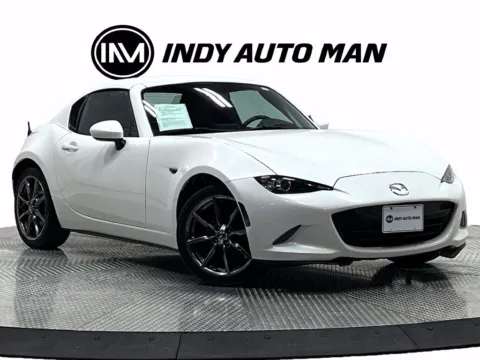
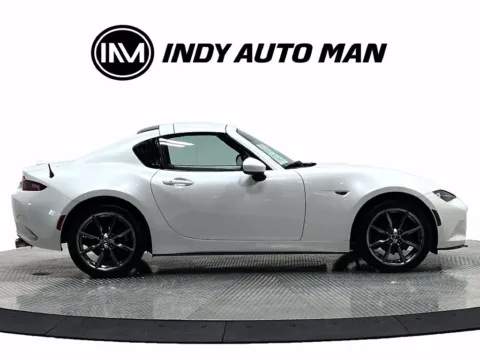
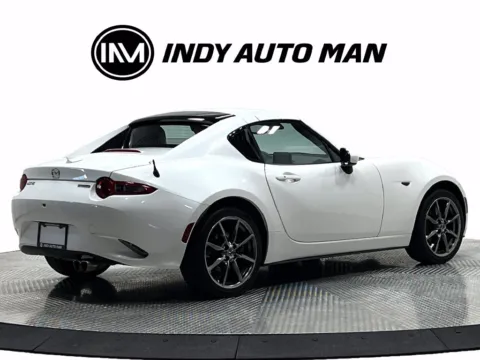
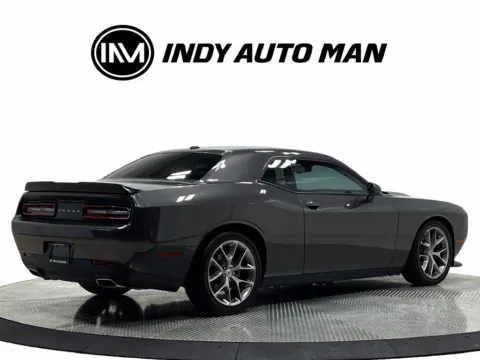
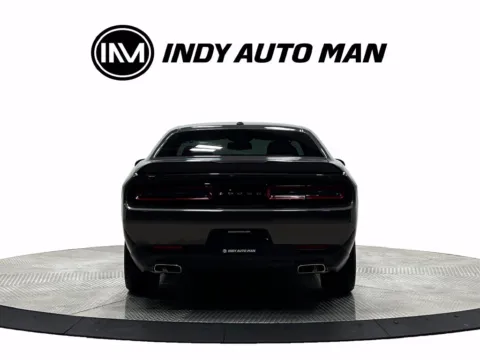
Manual transmissions: Maximum driver control
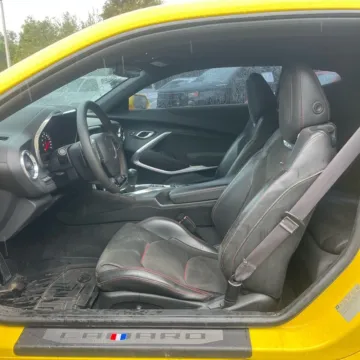
A traditional manual transmission gives the driver direct control over gear selection, clutch engagement, and engine speed. That connection is one of the main reasons enthusiasts keep choosing manual sports cars.
Advantages of a manual sports car

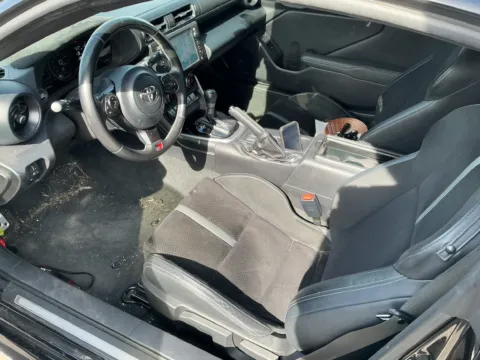
- Direct control: The driver chooses exactly when to shift, hold a gear, or downshift before a corner.
- Driver involvement: Using the clutch, shifter, throttle, and brakes creates a more hands-on driving experience.
- Lower weight: A manual gearbox is often lighter than an equivalent automatic or dual-clutch transmission.
- Mechanical simplicity: Manuals generally have fewer complex electronic and hydraulic components, which can make some repairs more straightforward.
- Drifting capability: Skilled drivers can use the clutch to quickly interrupt traction at the rear wheels, a technique commonly known as “clutch kicking.”
That last point makes manual transmissions especially popular in drifting. Drivers such as Daigo Saito have demonstrated how clutch control can help initiate and maintain a slide. Rally drivers have also traditionally valued the ability to control wheel speed and engine braking manually, although modern rally cars use specialized sequential transmissions rather than ordinary street-car gearboxes.

A manual can also provide more flexibility on a technical road course. A driver may hold a gear through a corner, select a lower gear early, or adjust the car’s balance with throttle and clutch inputs. For experienced drivers, those controls can become part of the car’s handling strategy.
Drawbacks of a manual sports car
The main disadvantage is that performance depends heavily on driver execution. A missed shift, poorly timed clutch release, or aggressive downshift can cost momentum or create mechanical stress. Over-revving the engine during an incorrect downshift can be particularly damaging.
Manual shifting can also be slower than a modern automated system. Even a highly skilled driver must release the throttle, operate the clutch, move the shifter, and reapply power. The difference may be small during one shift, but it can add up over multiple laps.
A manual clutch is also a wear item. Hard launches, repeated clutch kicks, and track use can shorten its service life. That doesn't automatically make a manual unreliable, but buyers considering a used sports car should inspect clutch engagement, pedal feel, transmission noise, and signs of aggressive use.
Automatic transmissions: Speed and сonsistency
“Automatic” covers several different technologies, including conventional torque-converter automatics, automated manuals, and dual-clutch transmissions. In performance cars, the most important examples are often dual-clutch systems such as Porsche’s PDK and Volkswagen Group’s DSG.
A dual-clutch transmission uses separate clutches for alternating gear sets. The next gear can be preselected before the shift occurs, allowing the transmission to change gears with minimal interruption in power delivery.
Advantages of an automatic sports car

- Fast shifts: A modern dual-clutch transmission can shift faster and more consistently than a driver.
- Consistent acceleration: Electronic controls can repeat shift points accurately from one run or lap to the next.
- Reduced driver workload: The driver can focus more on braking, steering, and racing lines.
- Launch performance: Computer-controlled clutch and engine management systems can help optimize standing starts.
- Over-rev protection: Electronic safeguards can prevent some incorrect shifts and protect the engine from certain driver errors.
This is why automatic transmissions are common in drag racing and high-performance circuit cars. A vehicle such as the Ford Shelby GT500 uses a 10-speed automatic transmission designed to manage substantial power while delivering rapid, repeatable shifts.

The Porsche 911 GT3 offers another good example. Porsche makes the car available with both a six-speed manual transmission and a seven-speed PDK dual-clutch transmission. The PDK is designed for optimized acceleration and rapid gear changes, while the manual focuses on driver involvement and a direct connection with the powertrain.
Drawbacks of an automatic sports car
Automatic performance transmissions are usually heavier and more complicated than manual gearboxes. They may contain sophisticated clutch packs, hydraulic systems, cooling hardware, sensors, and control modules. If a major component fails, repair costs can be much higher than those for a conventional manual transmission.
Heat is another concern during track use. Repeated hard acceleration and braking can raise transmission temperatures, especially when a vehicle is driven beyond its standard cooling capacity. Some cars may reduce performance or enter a protective mode if temperatures get too high.
An automatic can also feel less engaging. Although paddle shifters allow the driver to request gears manually, the transmission’s computer still controls clutch engagement and may override certain inputs. For some enthusiasts, that removes part of the experience they want from a sports car.
Which is faster on a racetrack: manual or automatic sports car?
For outright acceleration and repeatable lap performance, a modern dual-clutch automatic will usually have an advantage over an equivalent traditional manual. It can shift rapidly without the same interruption in power, and its electronic controls can help prevent missed shifts.
However, transmission type is only one part of performance. Tires, suspension setup, braking ability, aerodynamics, power delivery, vehicle weight, and driver skill can matter just as much. A slower-shifting manual sports car in the hands of an experienced driver may outperform a more powerful automatic car driven without confidence or consistency.
The Porsche 911 GT3 illustrates this balance. Porsche has highlighted the PDK’s optimized acceleration, but its manual GT3 has also achieved impressive track results. In 2025, Porsche reported that a manual 911 GT3 set a Nürburgring Nordschleife record for production cars with manual transmissions.
Straight-line racing produces a different result. A car such as the Nissan GT-R benefits from automated shifting and launch-control systems, making it exceptionally quick from a stop. By contrast, a manual Toyota GR Supra may not deliver the same repeatable acceleration, but it can offer a more involving driving experience.
Manual vs. automatic sports cars: Which should you choose?

Choose a manual sports car if you:
- Want maximum involvement behind the wheel.
- Enjoy learning heel-and-toe downshifts and clutch control.
- Plan to participate in drifting or spirited back-road driving.
- Prefer simpler mechanical systems and potentially lower repair complexity.
- Value the feeling of controlling every gear change.
Choose an automatic sports car if you:
- Prioritize acceleration and consistent performance.
- Spend significant time in traffic as well as on the track.
- Want paddle-shift control without operating a clutch pedal.
- Are new to performance driving.
- Prefer the convenience of a transmission that can shift automatically.
The best option ultimately depends on how you plan to use the car. Manual transmissions reward practice and provide a stronger mechanical connection, while modern automatics deliver speed, precision, and convenience. Neither transmission guarantees a faster driver.
If you are comparing used sports cars, inspect more than the transmission type. Review the vehicle’s service history, check for clutch or transmission repairs, look for signs of track use, and arrange a professional inspection before buying.
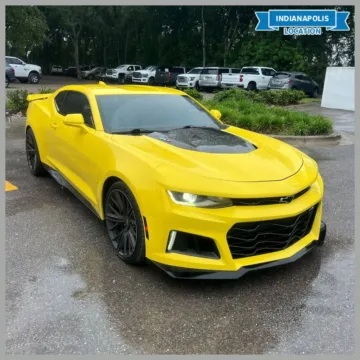
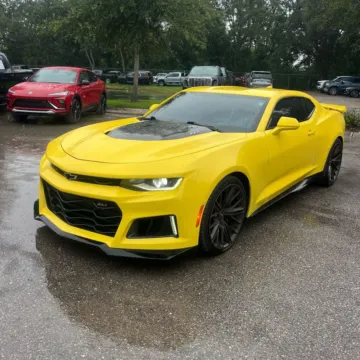
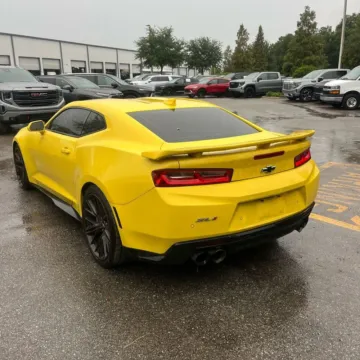
At Indy Auto Man, Indiana, you can compare performance vehicles in one car lot in Indianapolis or Westfield and test drive them before choosing a model that fits your driving style.