Mustang Years and Models Overview
Table of Contents
- Origins of the Ford Mustang
- First Mustang Generation: 1964–1973
- Launch and naming history
- Engine options and performance evolution
- Market impact and sales success
- Which Mustang years are considered the most collectible?
- Second Generation: 1974–1978
- Third Generation: 1979–1993
- Ford Mustang, Cobra
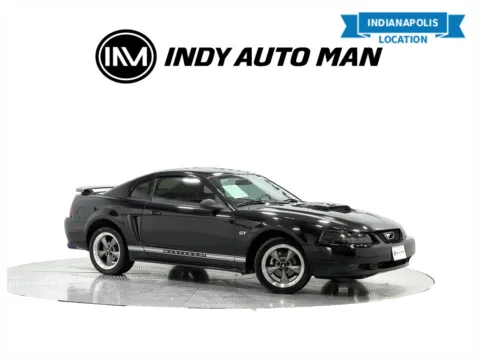
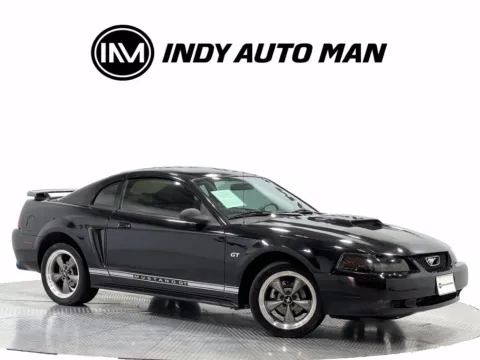
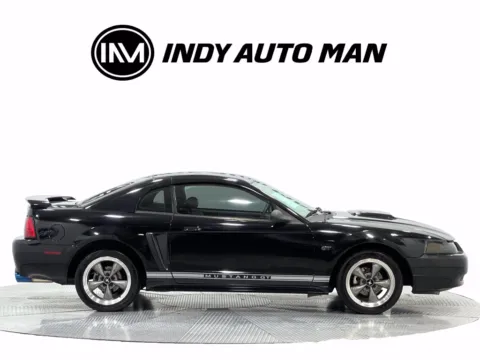
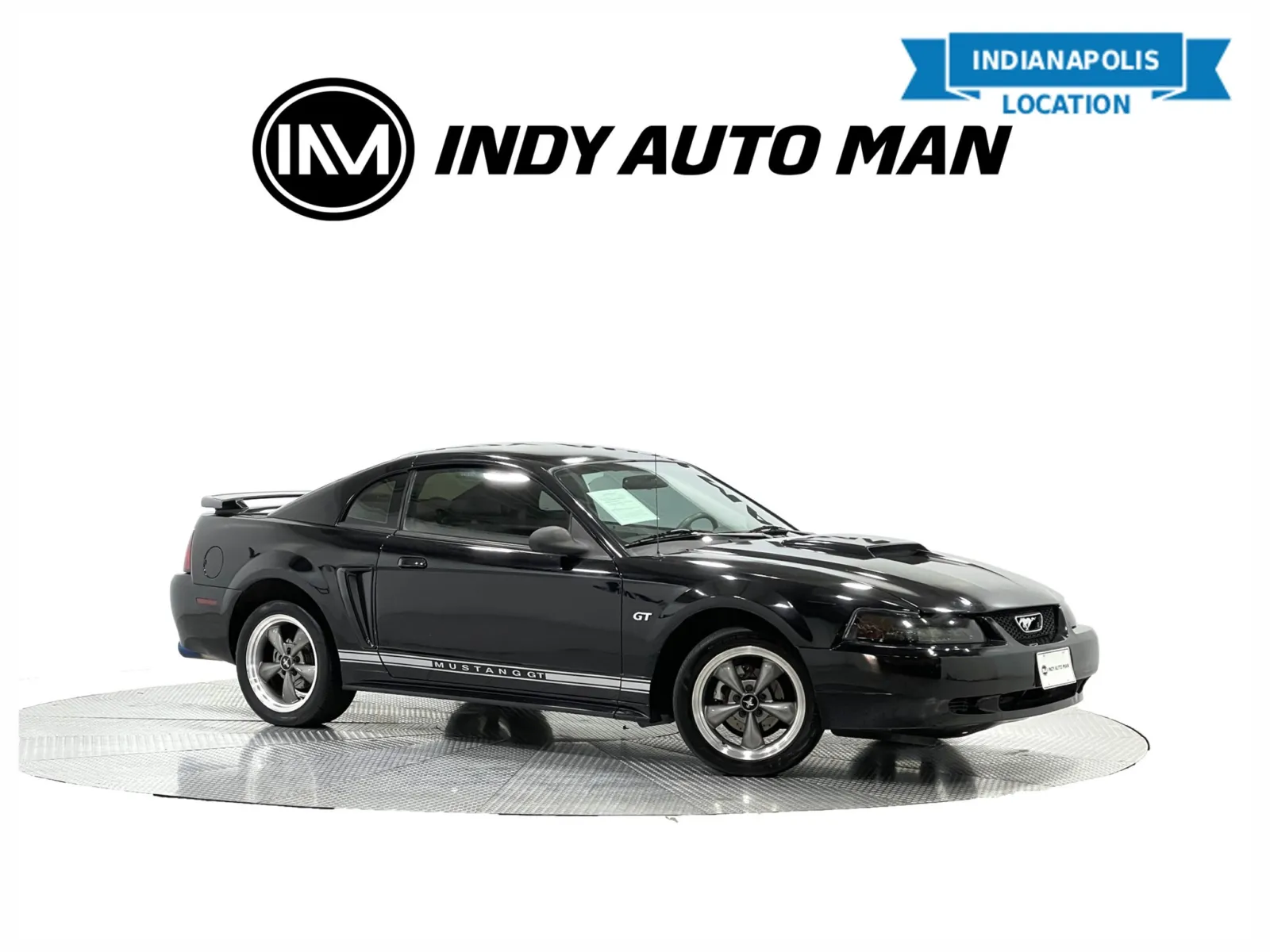
- Fourth Generation of Ford Mustang: 1994–2004
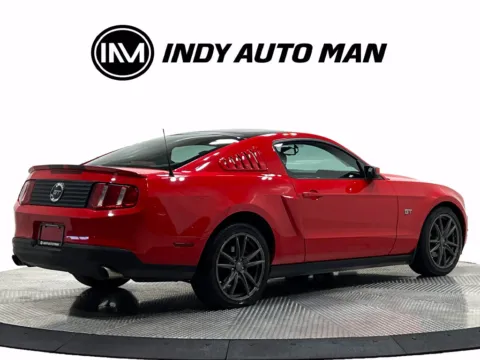
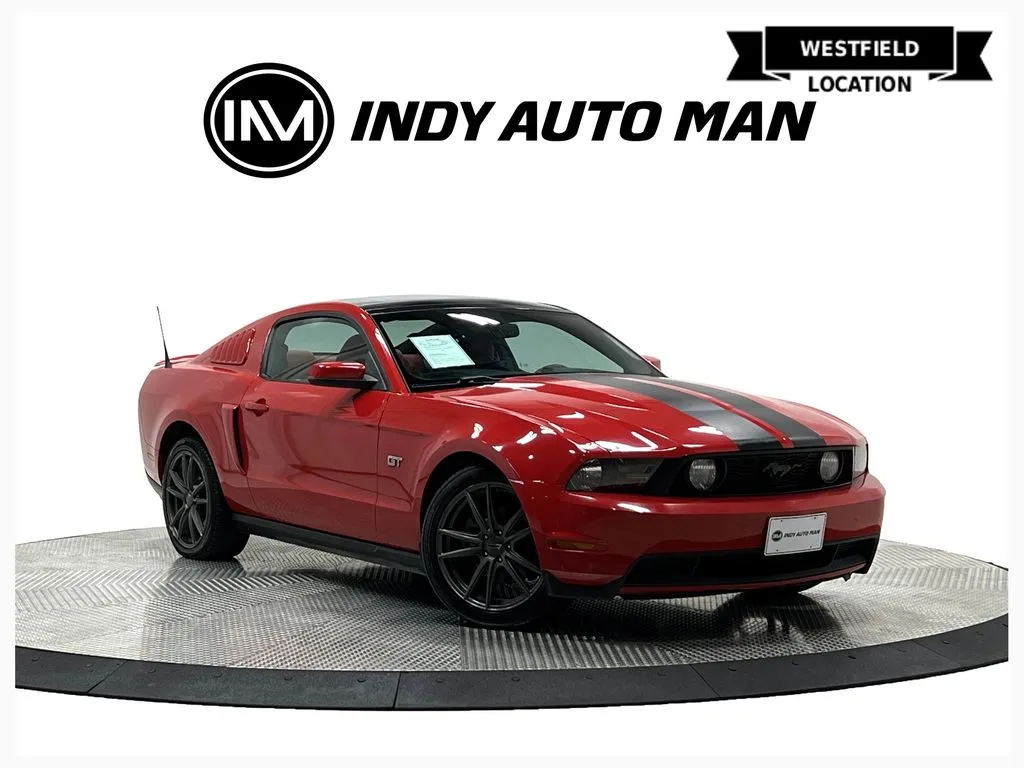
- Mustang Fifth Generation: 2005–2014
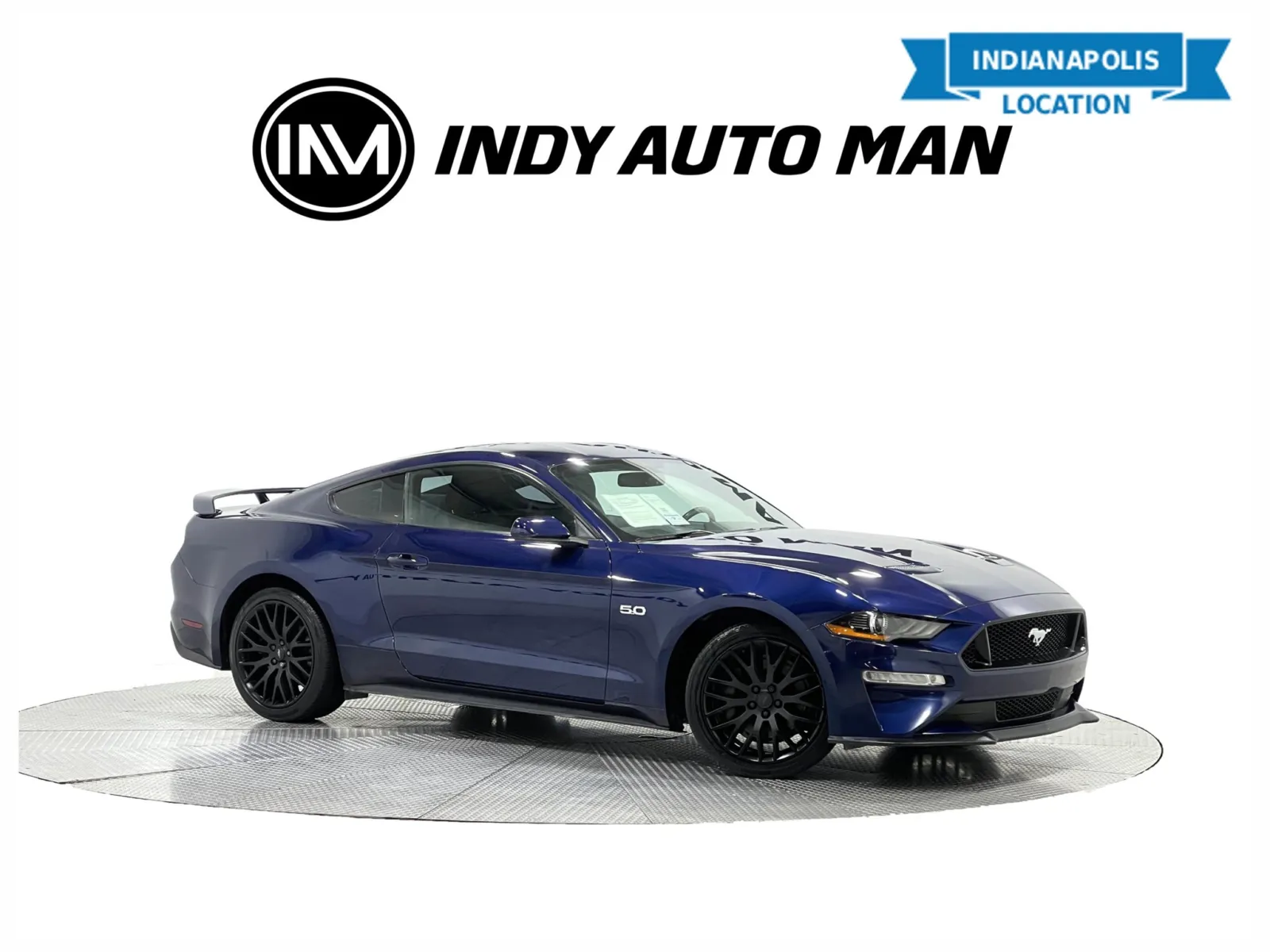
- What is the difference between EcoBoost and GT Mustangs?
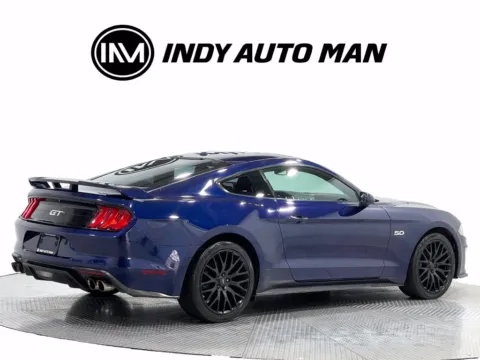
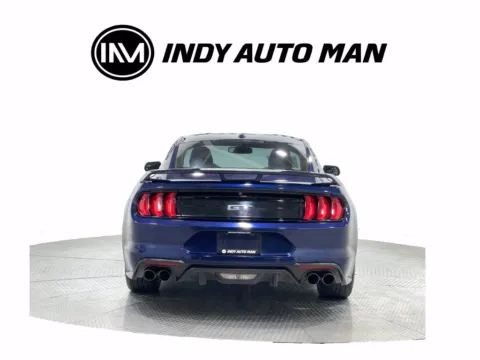
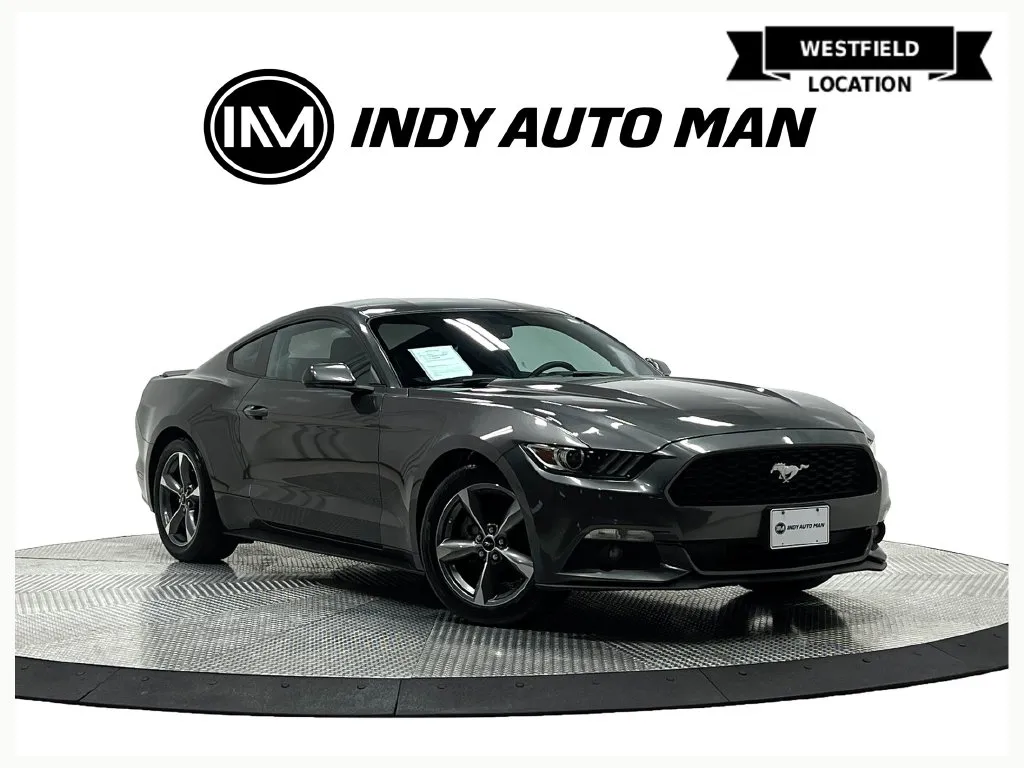
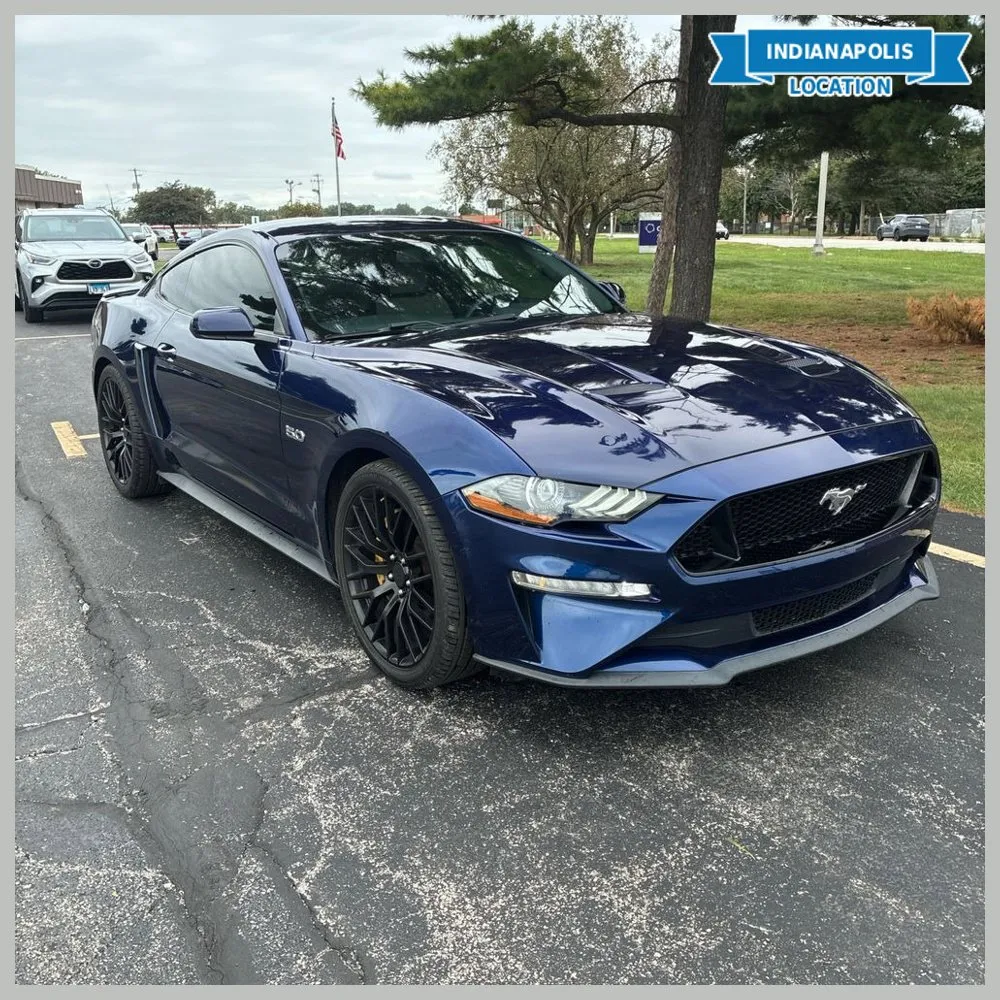
- Sixth Generation: 2015–2023
- What is the most powerful Mustang ever made?
- Seventh Generation of Mustang: 2024–Present
- Is the Mustang still a muscle car?
.webp)
Ford Mustang earned its place among America’s most iconic cars almost immediately after rolling off the assembly line. More than 55 years later, the Mustang remains a worldwide legend and one of the most recognizable nameplates in the USA automotive history.
Origins of the Ford Mustang
The Ford Mustang largely owes its existence to Ford executive Lee Iacocca.
The biography of this outstanding engineer and marketer is fascinating and is inextricably linked to the Mustang. Iacocca joined Ford as a design engineer right after graduating from university. After nine months on the job, he realized it wasn't his true calling and requested a transfer to the marketing department.
At the time, the company was struggling, which may be why Iacocca managed to secure a position at Ford’s Pennsylvania branch. However, the young innovator quickly distinguished himself, demonstrating a knack for strategic thinking.
Iacocca paid close attention to what potential customers expected from the company's vehicles.
Certainly, no one before him had conducted such an extensive analysis of the existing market.
Iacocca supposed that the post-war baby boom would bring approximately 11 million young drivers - all in need of vehicles - into the U.S. car market over the coming decade.
The Ford Mustang was developed with a focus on the needs and sentiments of those very teenagers and novice drivers whose aspirations the marketer had so skillfully identified.
First Mustang Generation: 1964–1973
The first Mustang was developed based on market research indicating that buyers wanted a car resembling the legendary Thunderbird but in a more affordable class.
The Chevrolet Corvair, specifically the sporty Monza model, served as a starting point, having caught the engineers' attention for its efficiency.
- A long hood and short rear deck gave the car a dynamic look, while slim bumpers and an aggressive, Maserati-style nose added an edge that appealed to young buyers.
- Smaller than other sports cars, it was designed to seat four people. A convertible version was also part of the Mustang lineup.
Launch and naming history
The first Ford Mustang rolled off the assembly line in Detroit on March 9, 1964. Interestingly, the creators initially intended to name their brainchild the "Cougar"; the name "Mustang" was adopted just before mass production began. Consequently, the cougar emblem on the grille was replaced by the silhouette of a mustang running from right to left against a red, white, and blue background, colors symbolizing the U.S. flag. The logo was designed by Philip Thomas Clark, a renowned automotive designer.
Engine options and performance evolution
Initially, first-generation Mustangs were equipped with a 271-hp, 2.8-liter V8 engine. Engine power increased steadily over time; the sporty GT-350 and GT-350R models, developed in collaboration with Shelby American Inc. engineers, featured engines producing 306 hp and 360 hp, respectively.
In 1966, a mechanical supercharger was installed on the GT-350's engine, boosting the powertrain's output to 430 hp. That same year saw the release of the "GT-500" model - a more powerful version featuring a standard six-cylinder engine. V8 engines remained in use; however, customers simply gained the option to order a 350-horsepower V8.
Market impact and sales success
.webp)
The Ford Mustang’s appearance captivated the market; the car was a massive sales success, with buyers lining up to purchase it. This model revived a style of automotive design that had been popular in the 1930s and 1940s - a trend that eventually spread to the luxury and high-end vehicle sectors as well.
By the end of 1964 alone, 681,000 units had been sold, followed by another 600,000 in 1965.
To put these figures in perspective, the Mustang’s sales volume at the time exceeded the combined sales of Cadillac, Oldsmobile, Buick, Chrysler, and American Motors. The Mustang’s success also drew American consumers' attention to other Ford products.
Today, Mustang No. 1 is on display at the Henry Ford Museum.
Which Mustang years are considered the most collectible?
1964–1969 models, especially Shelby variants, are the most sought after by collectors.
Second Generation: 1974–1978
The second generation of the Mustang nearly spelled disaster for the entire model line. The car was shortened to 175 inches, and the V8 engine was dropped in favor of:
- an 89 hp four-cylinder engine;
- a 106 hp six-cylinder engine;
- a 140 hp V8 engine.
To put it mildly, neither the performance nor the handling of the second-generation model - available as a three-door hatchback or a two-door coupe - was impressive.
Designers attempted to rectify the situation by offering special versions - the Cobra II and King Cobra - but essentially, nothing changed other than the aerodynamic body kit and exterior trim.
One might assume the second generation was an outright failure, but that is not entirely accurate. Economic conditions at the time meant the Mustang II was actually in high demand for a certain period.
It is considered the most fuel-efficient generation in the model's history. Moreover, despite its modest dimensions and engines, this Mustang model went down in history as one of the best-selling cars.
Third Generation: 1979–1993
.webp)
1979 marked the launch of the third-generation Mustang. The model was built on the Fox platform.
This Ford Mustang car grew slightly longer (about 179 inches) and lighter thanks to metal alloys, used in its construction.
A turbocharged 2.3-liter, 118 hp four-cylinder engine was added to the existing powertrain lineup. Following a 1983 facelift, a fuel-injected engine producing 203 hp also became available.
Despite all these improvements, third-generation models initially sold very poorly. Neither special versions with forced-induction engines, nor the return of the V8, nor the top-tier Cobra facelift could save the day.
Ford Mustang, Cobra
The Mustang survived thanks to the efforts of enthusiasts who - despite the company's plans to switch the model to front-wheel drive, pressured Ford to relent and give the car another chance.
The Mustang SVT sports car was released in 1983. With this facelift, the model delighted drivers with a 4.9-liter, 240-hp powertrain.
The third generation of Mustangs was produced for fifteen years, with a total output of 2.6 million units.
Fourth Generation of Ford Mustang: 1994–2004
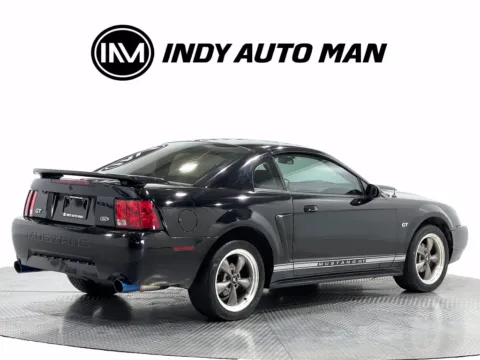
The new generation was built on the same, albeit reinforced, Fox platform. Designers introduced European-style bodywork to the concept while revisiting classic exterior elements. Technically, however, the model did not feature any particularly revolutionary solutions.
In 1999, the Ford Mustang's exterior underwent further changes. Notably, cabin sound insulation was significantly improved, a traction control system was added, and the top-end Cobra model was equipped with independent rear suspension.
By 2004, 1.6 million units of this Mustang model had been produced.
Mustang Fifth Generation: 2005–2014
.webp)
The fifth-generation Ford Mustang marked a revolution of sorts, finally restoring the model to its original level of popularity.
The new Mustang body once again evoked the first-generation model. Buyers responded to the car's revised styling with a surge in demand: people were lining up for the fifth-generation Mustang just as they had in 1965.
In 2007, the Shelby GT500 rolled off the assembly line with a 500-hp engine, marking the start of what can aptly be called the Ford Mustang Renaissance.
The fastest and most powerful version of the model was the 2013 Shelby GT500. This car was equipped with a 5.8-liter supercharged engine producing 622 hp. Thanks to this powertrain, the Mustang reached 200 mph for the first time in its history.
The engine was paired with either a manual or automatic transmission, available in five- or six-speed configurations.
However, sales figures began to decline after 2009, largely due to the impact of the global economic crisis.
What is the difference between EcoBoost and GT Mustangs?
EcoBoost models use a turbocharged 2.3L four-cylinder engine focused on efficiency, while GT models feature a naturally aspirated 5.0L V8 for higher performance.
Read also:
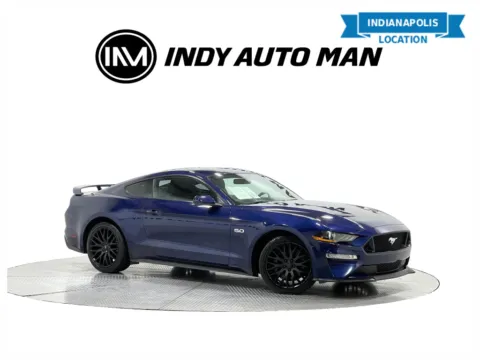
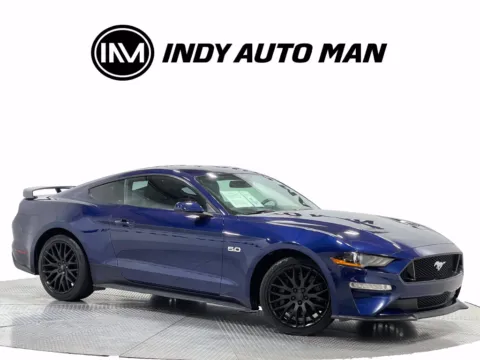
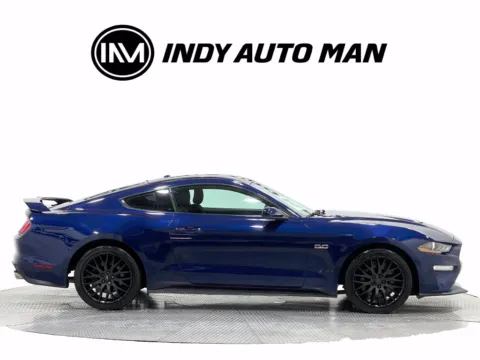
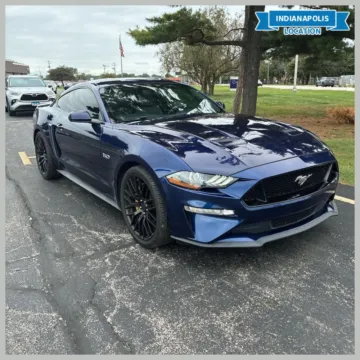
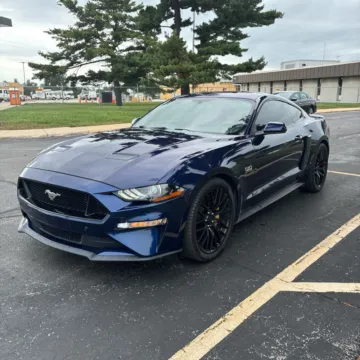
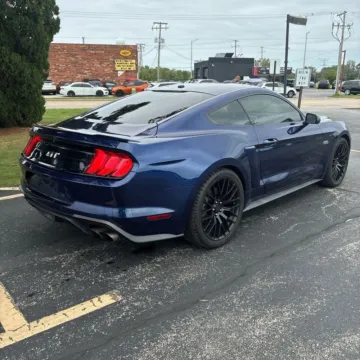
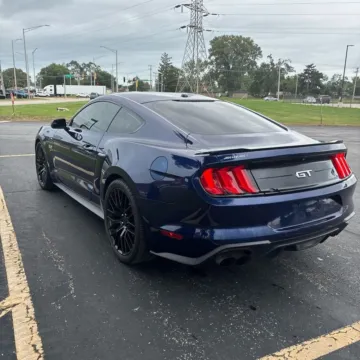
Sixth Generation: 2015–2023
.webp)
By 2015, the Ford Mustang had rightfully established itself as a global brand. Following its debut in the US market, the model began to be sold in European showrooms as well.
In its sixth generation, this legendary American sports car became the best-selling vehicle in its segment - not only in the US but worldwide.
The car features independent suspension. For the first time in the model's production history, right-hand-drive versions were manufactured.
2019 Ford Mustang Shelby GT500
In 2019, Shelby introduced the third-generation GT500.
However, the model's name is not linked to the company of the same name; rather, it was adopted under a licensing agreement to boost the model's market recognition.
The "500" series Mustang is powered by a naturally aspirated engine dubbed the "Predator." The 2.6-liter powertrain delivers a claimed 700 hp - 45 hp more than the engine found in the Ford GT. Performance figures have also been revealed: acceleration from 0 to 60 mph takes 3.5 seconds.
A manual transmission is not offered; instead, a seven-speed automatic gearbox is used. A particular point of pride for the developers is the adjustable suspension featuring MagneRide adaptive dampers.
Read also:
What is the most powerful Mustang ever made?
The 2020 Shelby GT500 produces 760 hp, making it the most powerful production Mustang to date.
Seventh Generation of Mustang: 2024–Present
.webp)
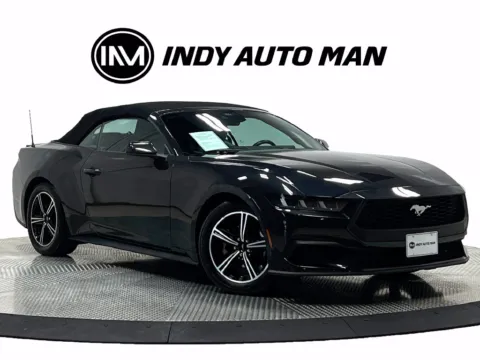
The seventh generation of the Ford Mustang, introduced for the 2024 model year, represents a careful evolution of the model rather than a radical reinvention. While preserving its traditional architecture and performance-oriented character, Ford has integrated a range of modern technologies designed to meet the expectations of today’s drivers.
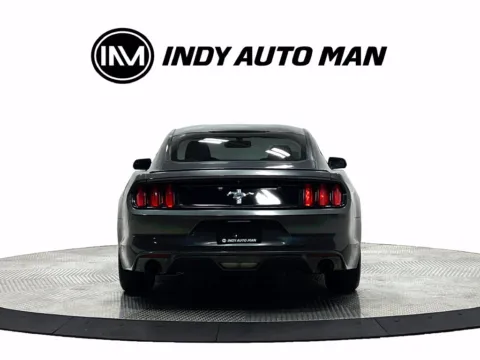
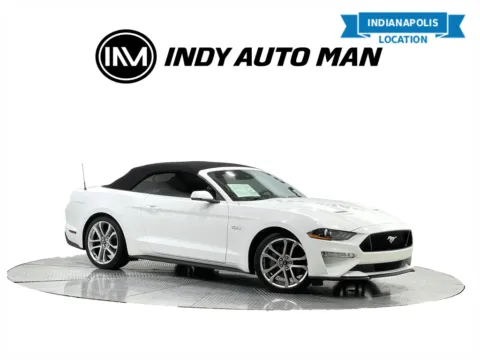
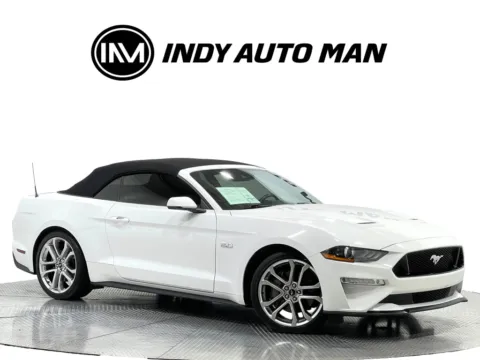
The updated Mustang continues to offer a naturally aspirated 5.0-liter V8 engine, now producing up to 500 hp in the Dark Horse variant. A revised 2.3-liter EcoBoost engine remains available as a more affordable alternative.
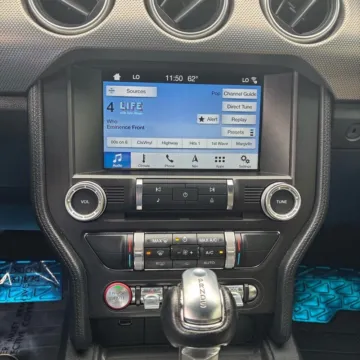
Inside the cabin, the car has undergone a significant transformation. The analog layout of previous generations has been replaced by a fully digital cockpit. It features dual configurable displays that combine driver information and infotainment into a single, cohesive interface. At the same time, advanced driver-assistance systems and over-the-air software updates bring the Mustang in line with modern automotive standards.
A particularly notable addition to the lineup is the Mustang Dark Horse. Positioned between the GT and Shelby models, it was developed with a clear focus on track performance, offering enhanced handling, upgraded components, and a more aggressive overall setup.
Is the Mustang still a muscle car?
Although it has evolved into a global sports car, the Mustang retains core muscle car traits such as rear-wheel drive, V8 availability, and strong straight-line performance.
Despite growing industry pressure toward full electrification, Ford has deliberately retained the Mustang’s internal combustion identity. At the same time, the company has expanded the Mustang name into the electric segment with the Mustang Mach-E, though this model is a separate line rather than a direct continuation of the traditional lineup.
The Ford Mustang’s legacy is defined by constant evolution. Whether you are drawn to vintage models or the latest high-performance trims, the Mustang continues to deliver a driving experience unlike any other.
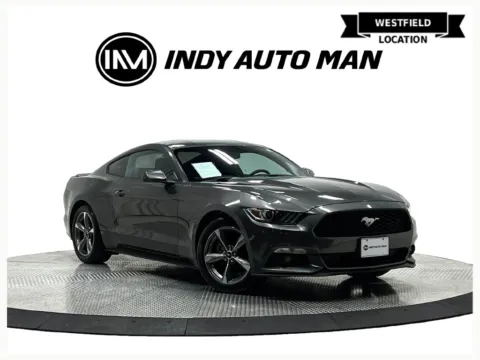
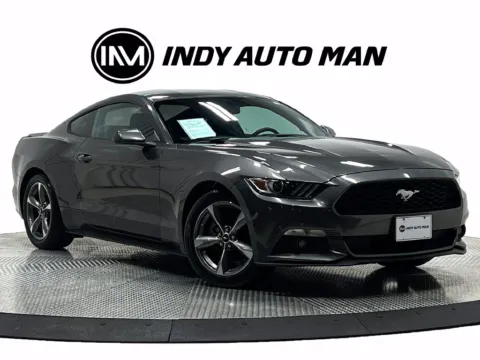
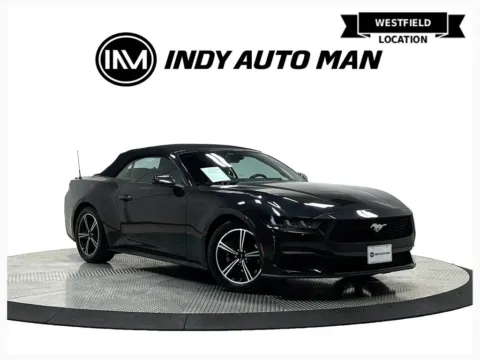
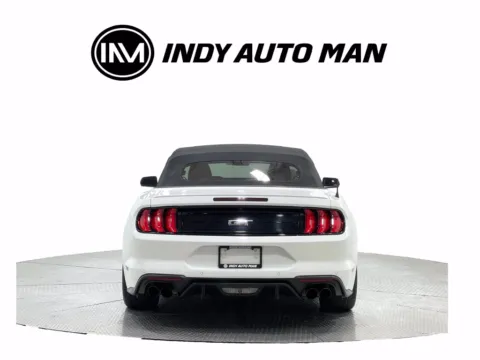
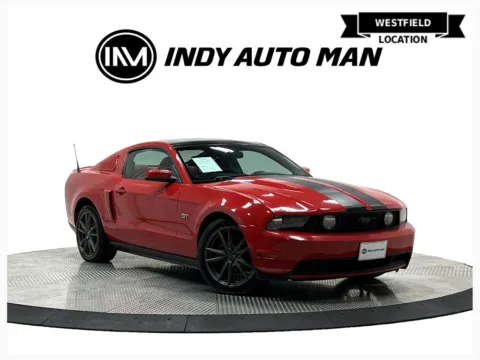
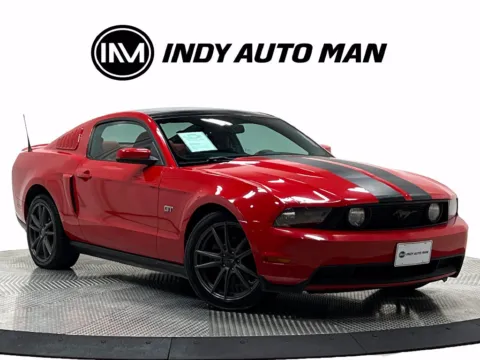
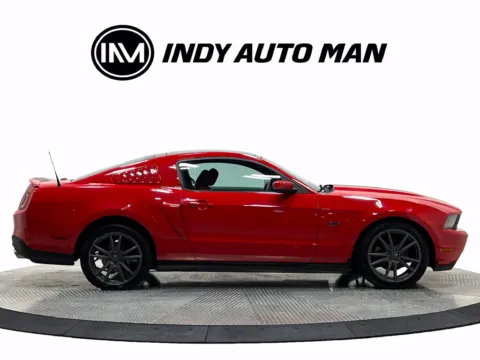
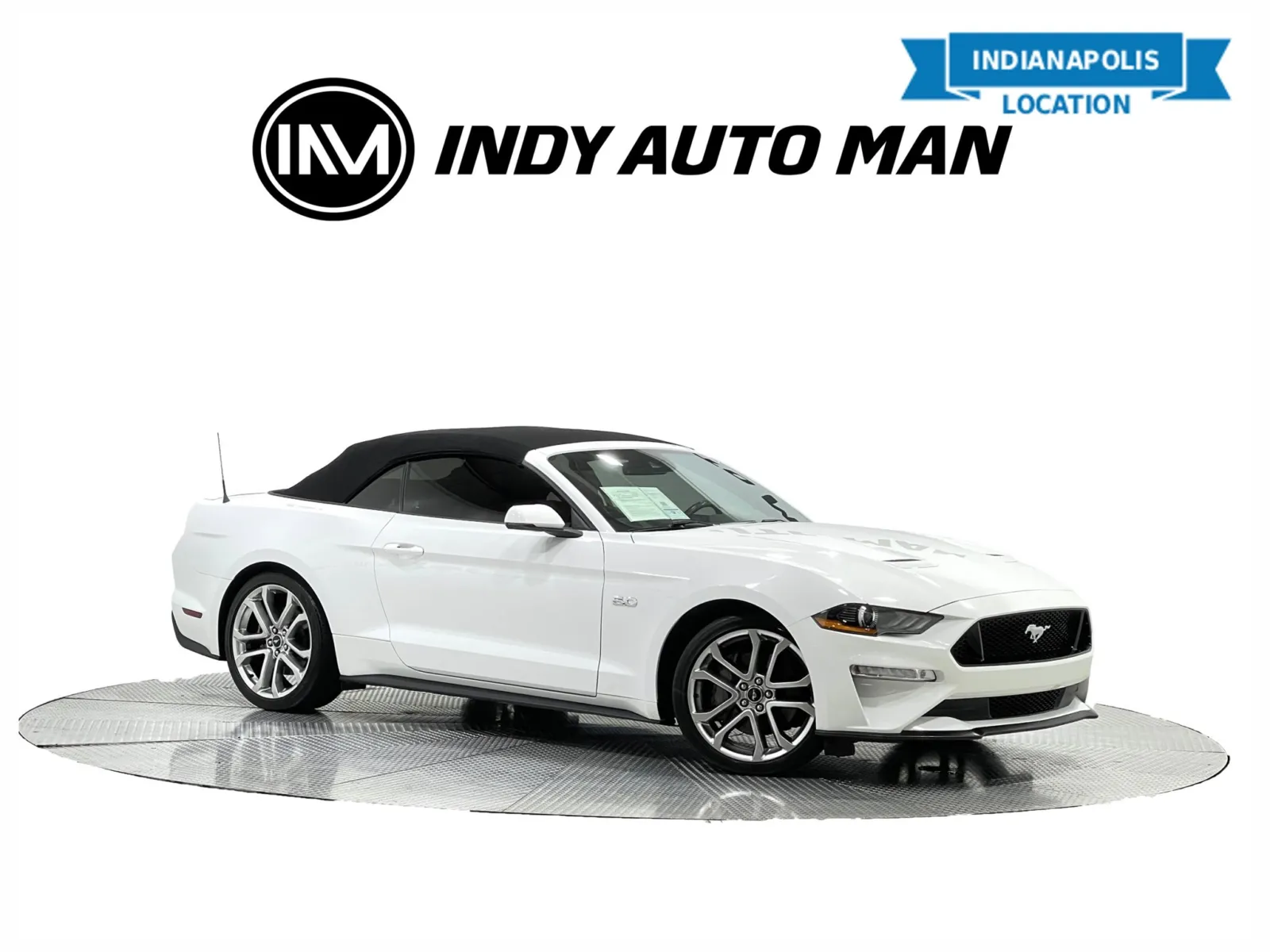
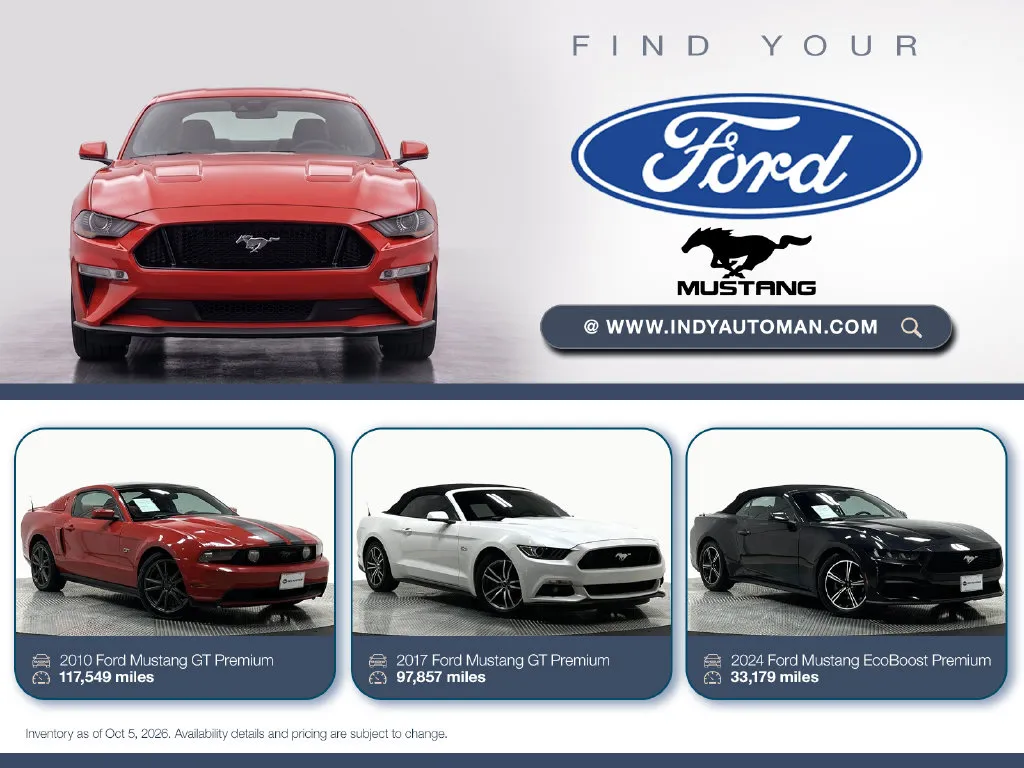
Ready to get behind the wheel? Visit Indy Auto Man today to explore available Mustang years and models, schedule a test drive, and find the perfect Mustang for your lifestyle and budget.