Affordable Second-Hand Cars: How Mileage Impacts Valuation in Indiana
In the Indiana used car market, mileage remains one of the primary factors in 2nd hand car valuation. That makes sense - an odometer reflects cumulative wear on major components. But the same mileage can represent very different mechanical conditions. That is why accurate valuation and finding truly affordable second-hand cars require more than just reading the dashboard.
Market data from U.S. platforms such as Kelley Blue Book and Edmunds shows that every additional 10,000 miles typically reduces a vehicle’s resale value by about 1-1.5% of its original MSRP. For a car originally priced at $30,000, that equates to roughly $300-$450 in value loss per 10,000 miles. However, depreciation is not linear across all mileage ranges.
Non-linear correlation: where depreciation spikes occur
The relationship between mileage and price follows a stepped curve with clear inflection points.
0–20,000 miles
This is where the steepest depreciation occurs. The drop is driven less by wear and more by the shift from “new” to “used.” In Indiana, a vehicle can lose 15–25% of its value within the first year, even with as few as 3,000–5,000 miles on the odometer. Mileage plays a secondary role here.
20,000–60,000 miles
This is the most stable depreciation range and often the sweet spot for buyers searching for affordable second-hand autos. Most of the initial depreciation has already occurred, while the vehicle typically remains far from major repairs.
How to choose a low-mileage car
60,000–100,000 miles
This range introduces a psychological barrier. Vehicles approaching 100,000 miles often see faster depreciation - about 5–8% more compared to the previous range. Buyers tend to associate six-digit mileage with higher risk, even if the actual condition is still solid.
Most expensive car breakdowns and how to avoid them
Over 120,000 miles
At this point, the car becomes a “high-mileage value” vehicle. In Indiana’s used market, pricing depends more on condition, maintenance records, and ownership history than mileage alone. The difference in value between 120,000 and 150,000 miles may be as little as 3–5%.
Cheapest cars to buy used in 2026
City vs. highway driving in Indiana
One of the most overlooked factors in pre-owned car valuation on the secondary market is how the vehicle was driven.
A car used primarily for commuting in Indianapolis, Fort Wayne, or South Bend experiences more wear per mile than one used on I-65 or I-70 for long-distance travel. Engine hours matter more than distance.
Example:
- In city traffic, a vehicle may cover 10–15 miles in an hour with constant stopping and idling.
- On the highway, it can cover 60–70 miles in the same time under stable conditions.
As a result, a car with 50,000 city miles may show wear comparable to 80,000-90,000 highway miles.
This is especially relevant for:
- Automatic transmissions and CVTs (heat and stress in stop-and-go driving).
- Brake systems (frequent use and heat cycles).
- Suspension (potholes, curbs, rough urban roads).
- Cooling systems (heavy A/C use during humid Indiana summers).
What actually wears out at higher mileage
Mileage fears are sometimes exaggerated, but there are predictable wear patterns that influence the valuation of used cars.
Engine
With regular oil changes every 5,000-7,500 miles, most modern engines can reach 150,000-220,000 miles. Turbochargers often need replacing between 75,000 and 110,000 miles, especially with spirited driving.
Transmission
Traditional automatic transmissions can exceed 180,000 miles with fluid changes every 40,000-60,000 miles. CVTs tend to last 90,000-130,000 miles. Dual-clutch systems often become less predictable after 50,000-70,000 miles.
How to check a used car transmission
Suspension
- Sway bar links: 20,000-30,000 miles
- Bushings and ball joints: 50,000-75,000 miles
- Shocks and struts: 50,000-70,000 miles
- Wheel bearings: 60,000-90,000 miles
These repairs are common and relatively affordable but strongly influence perceived value during inspections.
Electronics
After 60,000-100,000 miles, components like alternators (typically around 90,000 miles), starters, and sensors may begin to fail. Wiring degradation is also common in older vehicles exposed to Midwest winters and road salt
Odometer fraud in the U.S. market
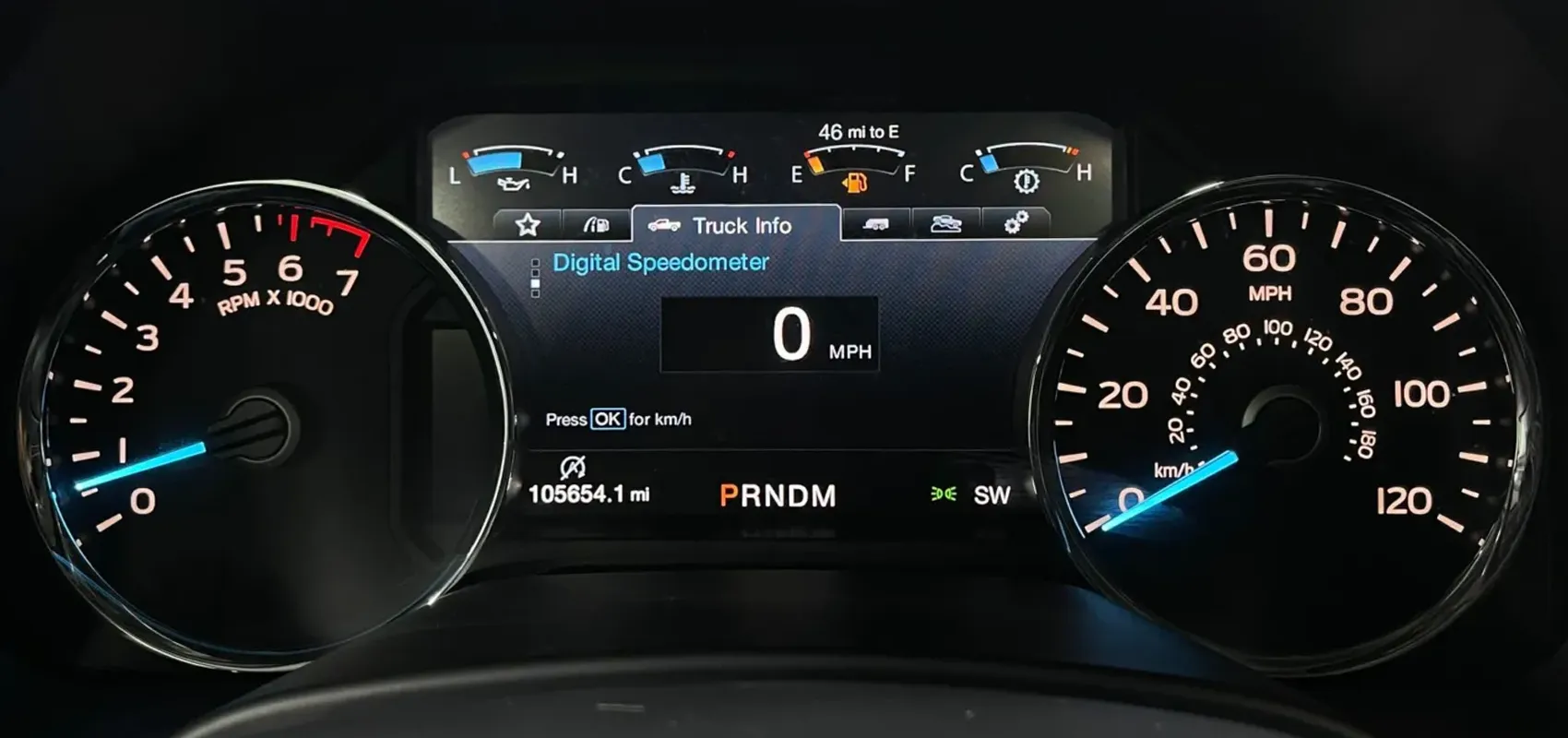
Odometer rollback remains a concern in the U.S., including Indiana. Estimates suggest that hundreds of thousands of vehicles nationwide may have altered mileage readings each year.
Detection methods include:
- OBD-II scans to compare mileage stored in multiple modules.
- Vehicle history reports (Carfax, AutoCheck), which log mileage during registrations, inspections, and service visits.
- Physical wear indicators such as steering wheel condition, seat wear, and pedal usage.
Mileage and cost of ownership
Lower mileage does not always mean a better deal.
For example, a 2019 vehicle with only 18,000 miles may indicate long periods of inactivity. This can lead to:
- Dried seals and gaskets
- Brake corrosion from sitting
- Battery degradation
- Fuel system issues
In contrast, a well-maintained vehicle with 60,000 miles may offer better reliability and represent a more affordable pre-owned car in the long run.
A healthy benchmark in the U.S. is 12,000-15,000 miles per year. Significant deviations - below 5,000 or above 25,000 annually - should prompt closer inspection.
Trade-in vs. private sale valuation
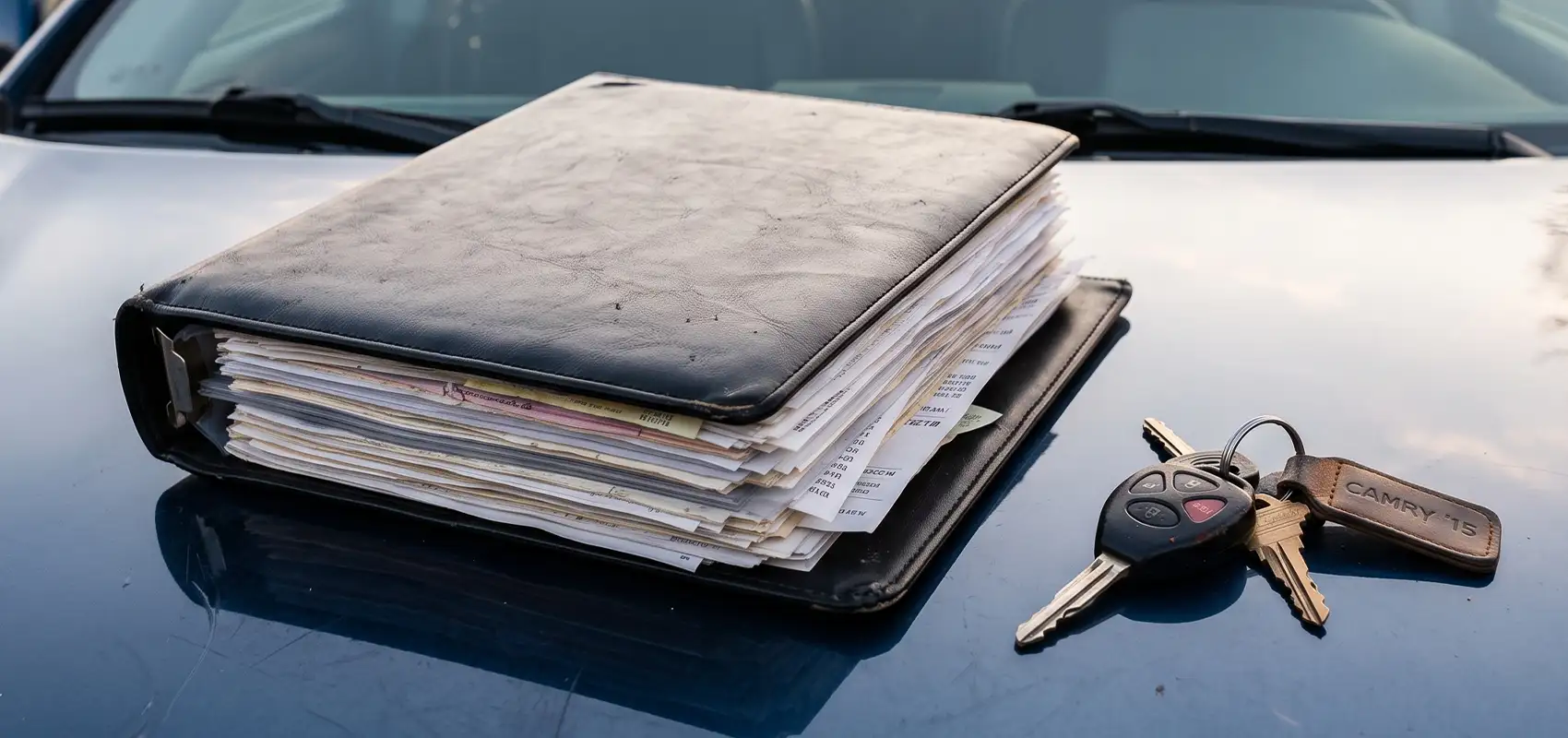
In Indiana dealerships, mileage is one of several core factors in second hand car valuation, alongside age, condition, trim level, and service history.
Trade-in offers typically account for resale margins, meaning high mileage can reduce the offer by 15–25% below retail market value. Private sales, however, allow for more flexible pricing since buyers evaluate the vehicle more holistically.
How to get the best trade-in value
A documented service history can significantly offset high mileage. For example, a car with 120,000 miles and complete maintenance records may command a higher price than a similar model with 70,000 miles but no documentation. Transparency directly impacts perceived value.
Affordable used cars in Indiana with no hidden risks
Mileage remains a key metric in the Indiana used car market, but it is only one component of an accurate 2nd hand car valuation. Driving conditions, maintenance quality, and vehicle history often matter just as much.
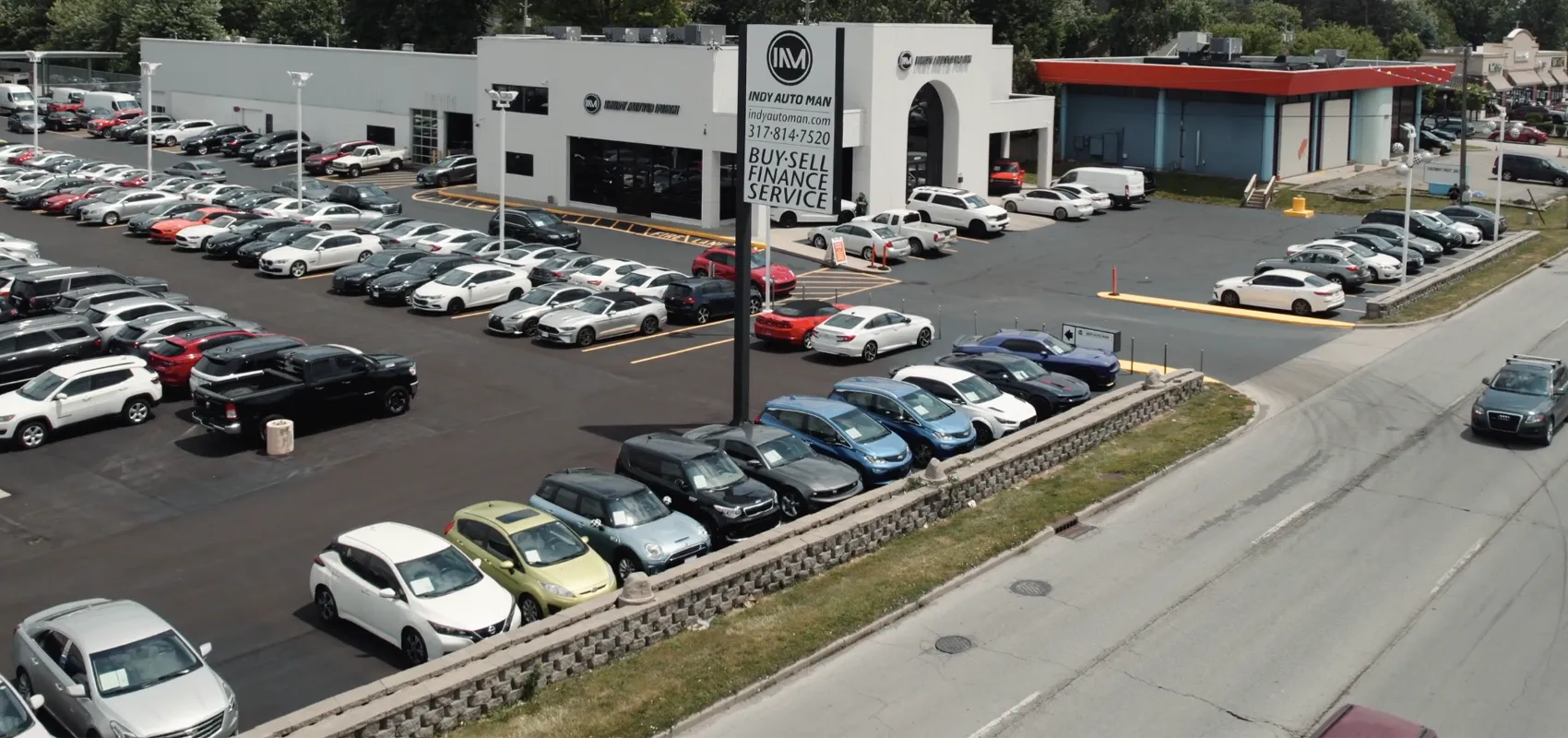
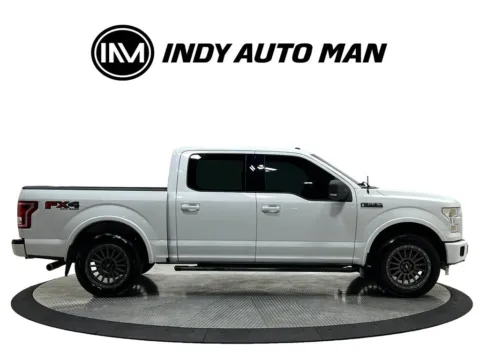
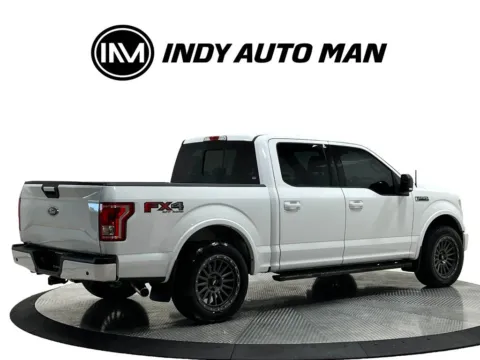
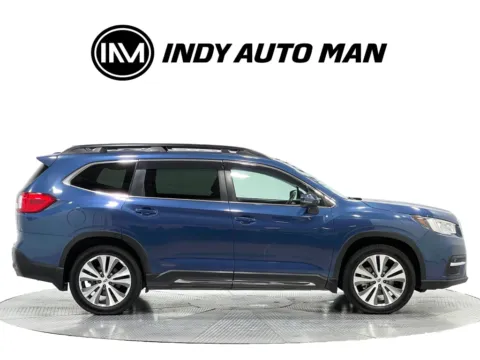
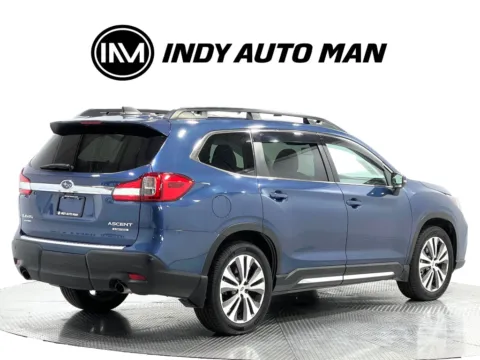
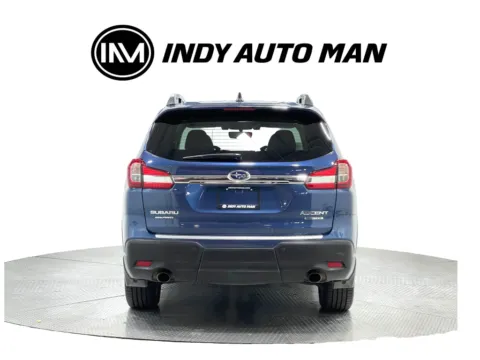
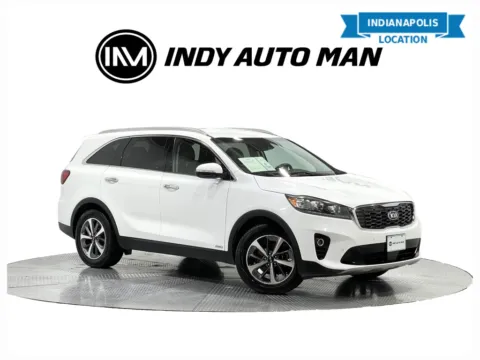
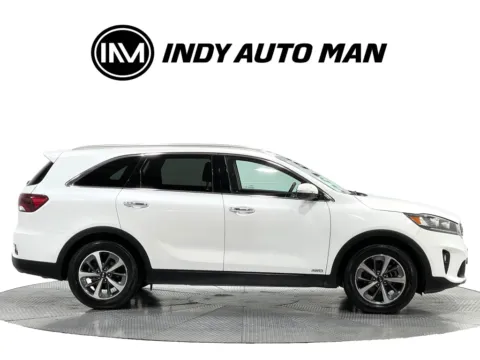
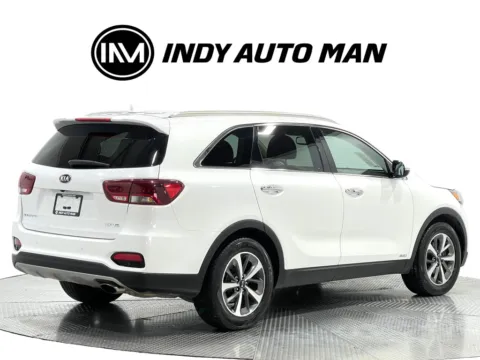
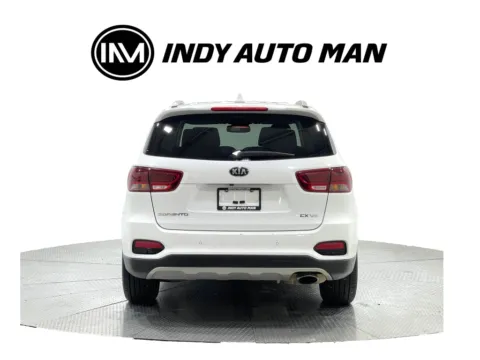
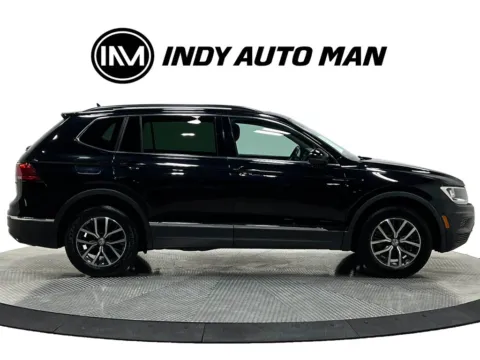
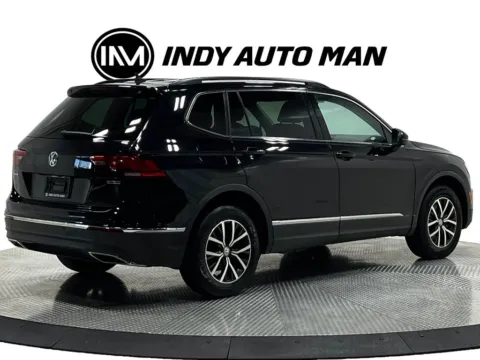
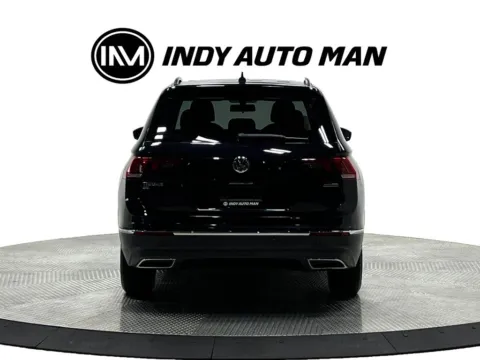
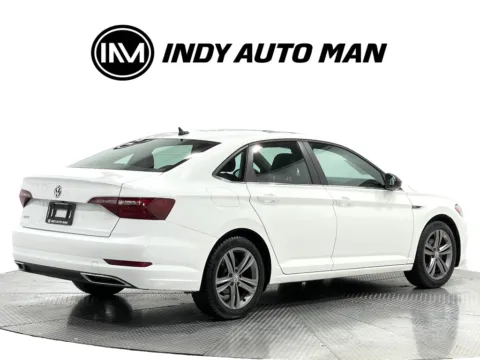
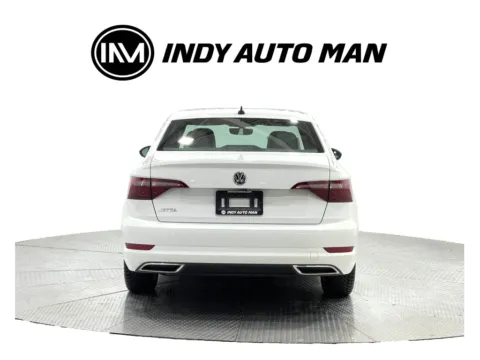
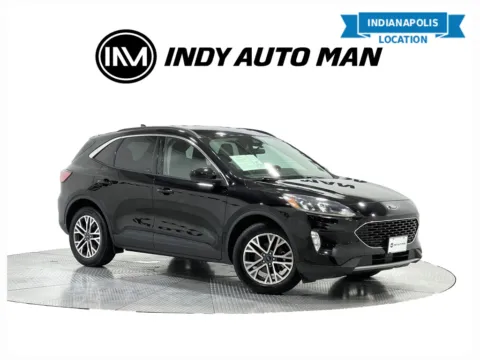
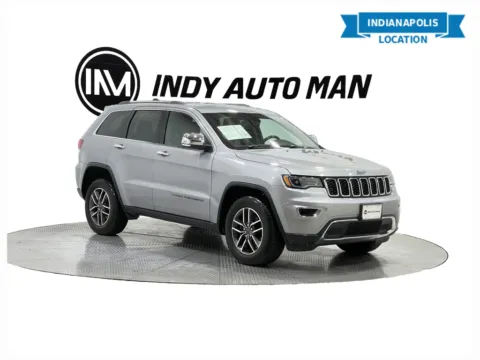
If you are seeking affordable second-hand cars, you will find better-value options at the Indy Auto Man Westfield and Indianapolis car lots. Browse our inventory online or drop by for a test drive, and you’ll find your dream car at Indy Auto Man!
















$272/mo


$225/mo












$373/mo