Tires, Battery, and Air Conditioning: What Drivers Should Check Before Every Season

Before every season, make sure your tires, battery, brakes, antifreeze, air conditioning, and windshield wipers are in proper condition. These simple checks help keep your car safe and ready for changing Indiana weather.
To help you avoid unexpected issues on the road, Indy Auto Man technicians outlined the key steps you should take before the new season.
Seasonal tires

Preparing the right set of tires is the priority for every driver. This process includes:
- inspecting tires for cracks, cuts, bulges, or other damage;
- measuring the remaining tread depth;
- checking the condition of studs (on studded tires);
- examining rims for deformation or corrosion;
- verifying the integrity of tire valves and the overall airtightness of the wheels.
You can handle some of these simple checks yourself to save money, while leaving more complex tasks to a technician. If you are not confident in your own skills, it is best to entrust the full inspection to professionals. Once the tires are mounted on the rims, the wheels should be balanced.
It is advisable to switch to winter tires well in advance, rather than waiting for the first snowfall. This can save your life in some cases, keeping your car undamaged as well as helping you avoid long queues during the peak of the season.
Service costs vary based on the scope of work; for instance, swapping out a pre-mounted set of wheels is relatively inexpensive. Conversely, if the process involves removing old tires from rims, mounting new ones, balancing the wheels, replacing valves, and configuring tire pressure sensors, the total cost will be significantly higher.
A wheel alignment (geometry check) is not automatically required every time you change your tires for the season. However, it is recommended if you notice uneven tire wear, the vehicle pulling to one side, or following repairs to the suspension or steering system, or even after a severe impact to a wheel.
- Adjustments are necessary only if measurements reveal deviations from the manufacturer's specifications. Wheel balancing may be included in the cost of the tire service or charged as a separate fee. Tires require protection from direct sunlight, heat, and moisture. When storing wheels, the point of contact should be changed periodically.
Wheels with rims attached can be stacked horizontally, but the stack should not be too high, as this could deform the tires at the bottom. Additionally, avoid storing tires in areas where welding equipment is in use.
Battery performance
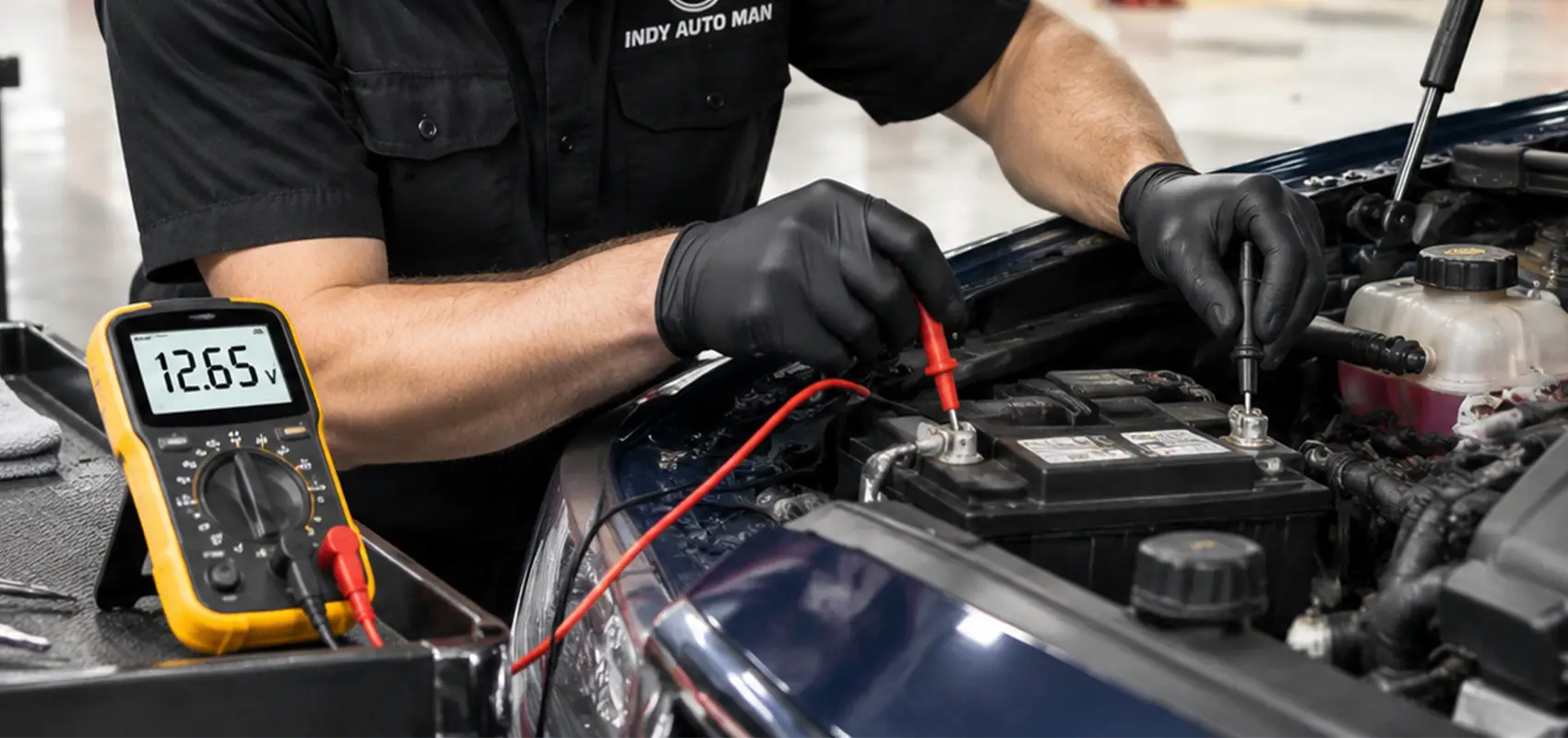
A drop in temperature often reveals issues that went unnoticed during the summer. If the engine fails to start on the first attempt, or if the battery loses its charge while the vehicle is parked, do not wait until the onset of freezing weather to have it diagnosed.
A standard inspection includes checking the battery, terminals, and mounts, assessing the battery's charge level and overall condition, and verifying that the charging system is functioning correctly.
There is no need to replace a battery simply because autumn has arrived. Difficulty starting the engine does not always mean the battery needs to be replaced; the issue could lie with the electrical contacts, the starter, the charging system, or excessive power consumption.
Checking the undercarriage

On wet or slippery roads, it is crucial that a vehicle brakes predictably and remains responsive to steering. A seasonal inspection of the undercarriage helps identify worn components or damage before challenging road conditions arise.
- It is also advisable to re-evaluate the suspension and steering system after the winter season, especially if you notice unusual noises, changes in how the vehicle handles, or if the wheels have sustained heavy impacts from road irregularities.
When diagnosing the braking system, technicians check the condition of the brake pads, discs, hoses, and lines, as well as the operation of the calipers and the parking brake. The brake fluid level is also checked, along with its scheduled replacement interval. If warning lights appear or other specific symptoms occur, a diagnostic check of the ABS and related systems should be performed.
Suspension and steering system diagnostics include checking joints, bushings, tie-rod ends, shock absorbers, springs, and wheel bearings.
Seasonal fluids: antifreeze
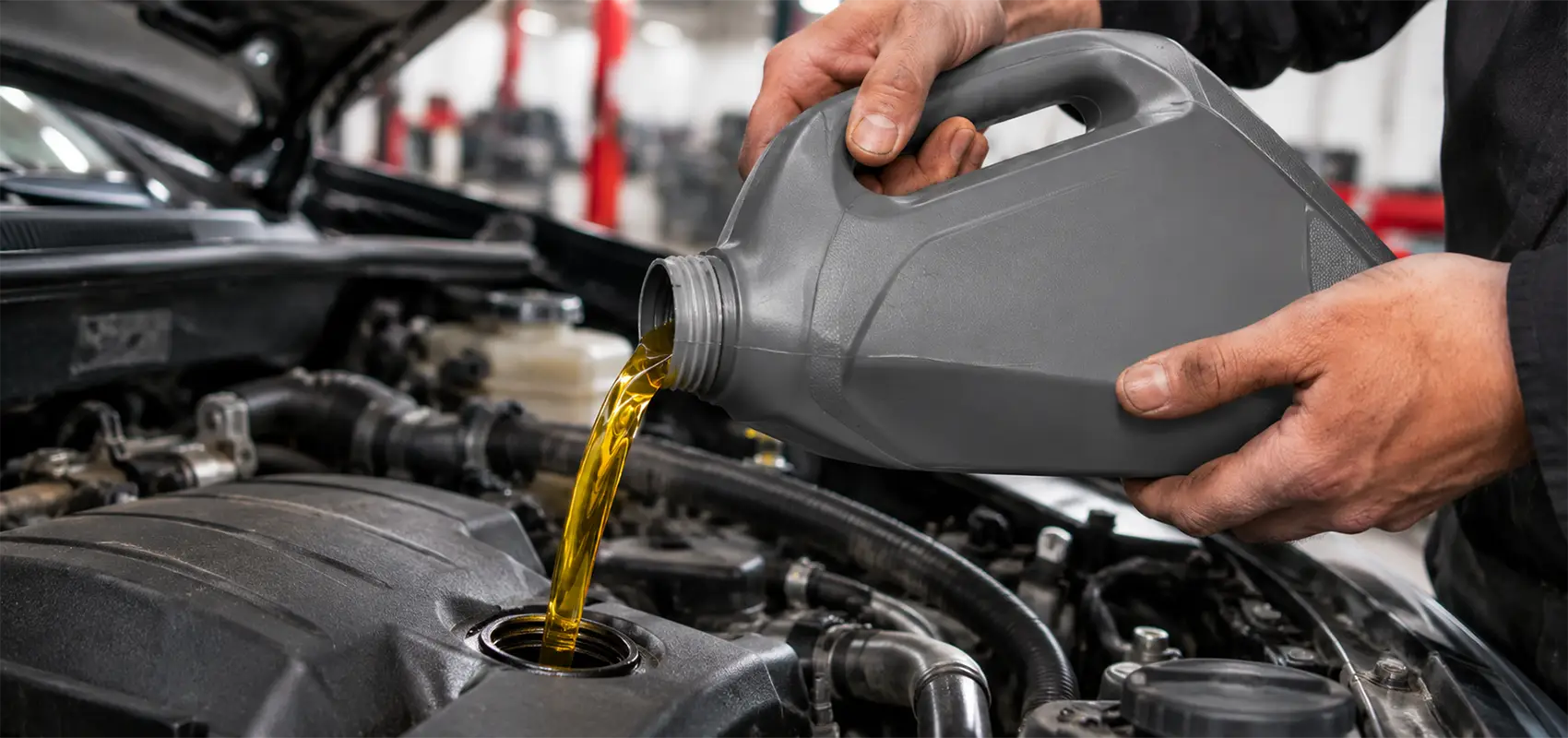
Before the onset of freezing temperatures, it is essential to ensure that your antifreeze provides adequate protection against freezing and that the system is free of leaks.
The serviceman will check the antifreeze level and inspect the reservoir, radiators, hoses, and connections. Using specialized equipment, Indy Auto Man mechanics can determine the fluid's concentration or its freezing point. If the antifreeze level is dropping, a thorough leak test should be performed.
Replacement is necessary if the scheduled service interval has been reached, if the wrong type of fluid has been used, or if the condition of the existing fluid is questionable. This can be: a too-dark color of the liquid or some extra ingredients, like sand and metal dust fragments.
Always select antifreeze based on the vehicle manufacturer’s specifications rather than its color. Never mix unknown fluids without first verifying their compatibility.
Trouble-free heating
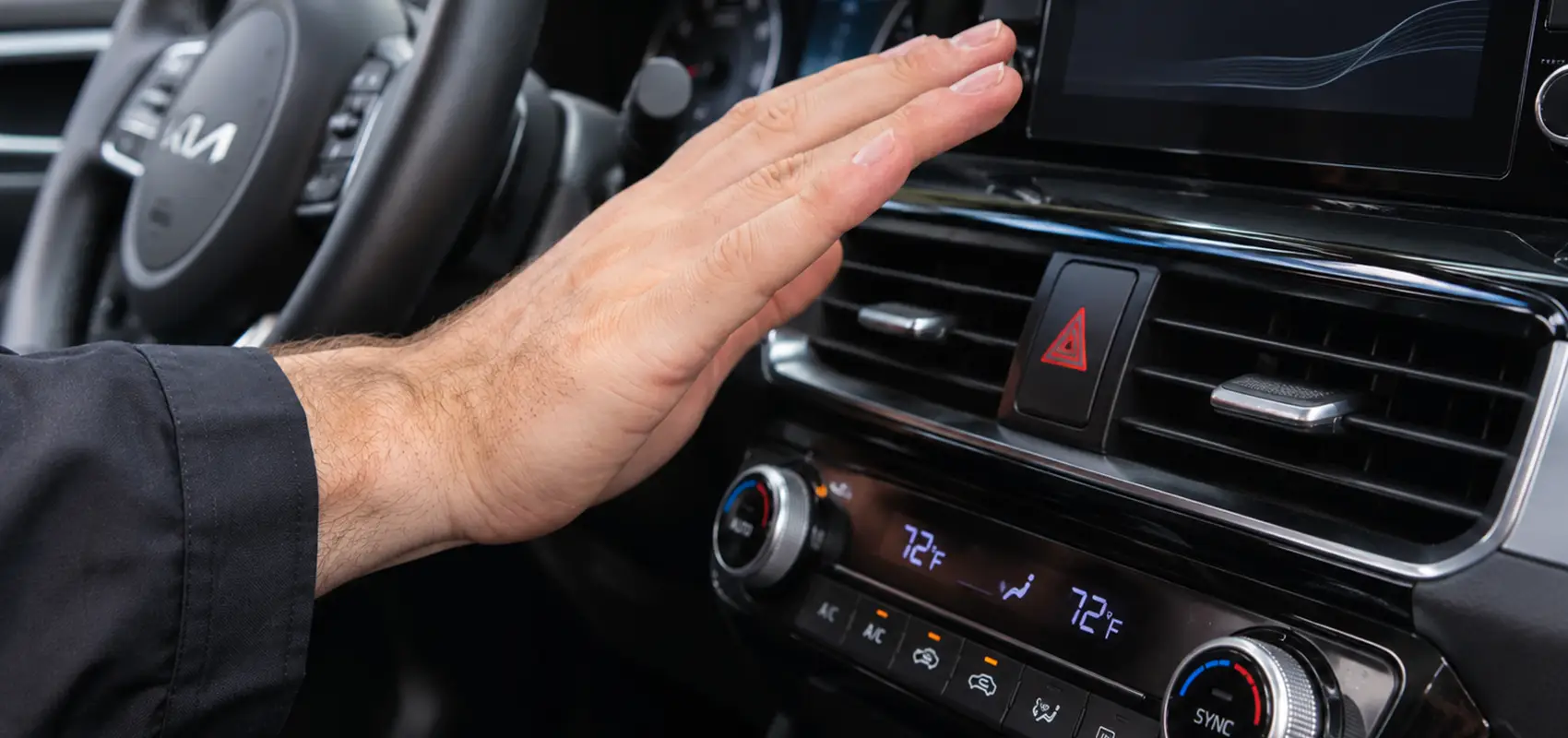
In every season, a properly functioning air conditioner is about more than just comfort; the ventilation system is also crucial for quickly clearing fogged-up windows and restoring visibility.
If airflow is weak or heating is insufficient, the fan, air flaps, airflow distribution, and cabin air filter should be inspected.
If the issue relates to the heating performance itself, the cooling system and the heater core (radiator) may require diagnostics.
- The cabin air filter is not always the cause of persistent fogging. Other potential reasons may include wet floor mats, prolonged use of the air recirculation setting, clogged drainage channels, or a leak. Therefore, if there is persistent dampness inside the vehicle, it is important to identify the source.
Pay attention to the windshield wipers
Autumn rain, winter snow, and road grime quickly reveal how well your wipers are performing. If the blades leave streaks, miss spots, or are damaged, they should be replaced.
During maintenance, it is also important to check the wiper arms, mounts, washer pump, hoses, and nozzles. Any uneven fluid delivery can be addressed through cleaning, adjustment, or repair, depending on the underlying cause.
Before the first frost, replace your summer washer fluid with a winter-grade version suitable for your region’s climate. Once the reservoir is filled, run the system to ensure the winter fluid flows through the lines and out of the nozzles.
Debunking common winter driving myths
Myth 1: You need to warm up your car for 10 minutes in winter
Fact: Modern fuel-injected engines don't need a long warm-up. About 30 seconds is usually enough before driving. Extended idling wastes fuel and doesn't warm the transmission or other components as efficiently as driving.
Better approach: Start the engine, clear snow and ice from the windows, and set the climate controls. Then drive gently for the first few minutes. Avoid hard acceleration until the engine warms up.
Myth 2: Lower tire pressure means better winter traction
Fact: Underinflated tires don't improve grip on regular roads. They can make steering and braking less predictable, increase tire wear, and reduce fuel efficiency. Cold temperatures naturally lower tire pressure, so regular checks are especially important in winter.
Better approach: Follow the tire pressure recommended on the driver's door-jamb sticker or in the owner's manual. Check pressure when the tires are cold and adjust it as needed.
Myth 3: All-season tires perform just as well as winter tires
Fact: All-season tires can handle light snow, but they aren't designed for consistently freezing temperatures. Winter tires use specialized rubber compounds and tread patterns that provide better traction on snow and ice.
Better approach: If you regularly drive in snowy or icy conditions, consider dedicated winter tires. They offer better control when temperatures stay low.
Myth 4: Winter tires are suitable for year-round use
Fact: Winter tires aren't made for warm roads. Their softer rubber wears faster in higher temperatures and can reduce braking and handling performance.
Better approach: Switch back to all-season or summer tires when cold weather ends. Choosing the right tires for the season helps maintain grip, handling, and tire life.
Schedule seasonal maintenance at Indy Auto Man
Seasonal maintenance helps Indiana drivers stay prepared for changing road conditions and avoid more costly repairs down the line. Whether you need a tire inspection, battery test, brake check, coolant service, heater repair, or wiper replacement, the specialists at Indy Auto Man are ready to help.
Schedule your seasonal maintenance at Indy Auto Man Westfield or in Indianapolis today and head into the next season with confidence.
Filed under: How To · Maintenance · Auto Service